Story #
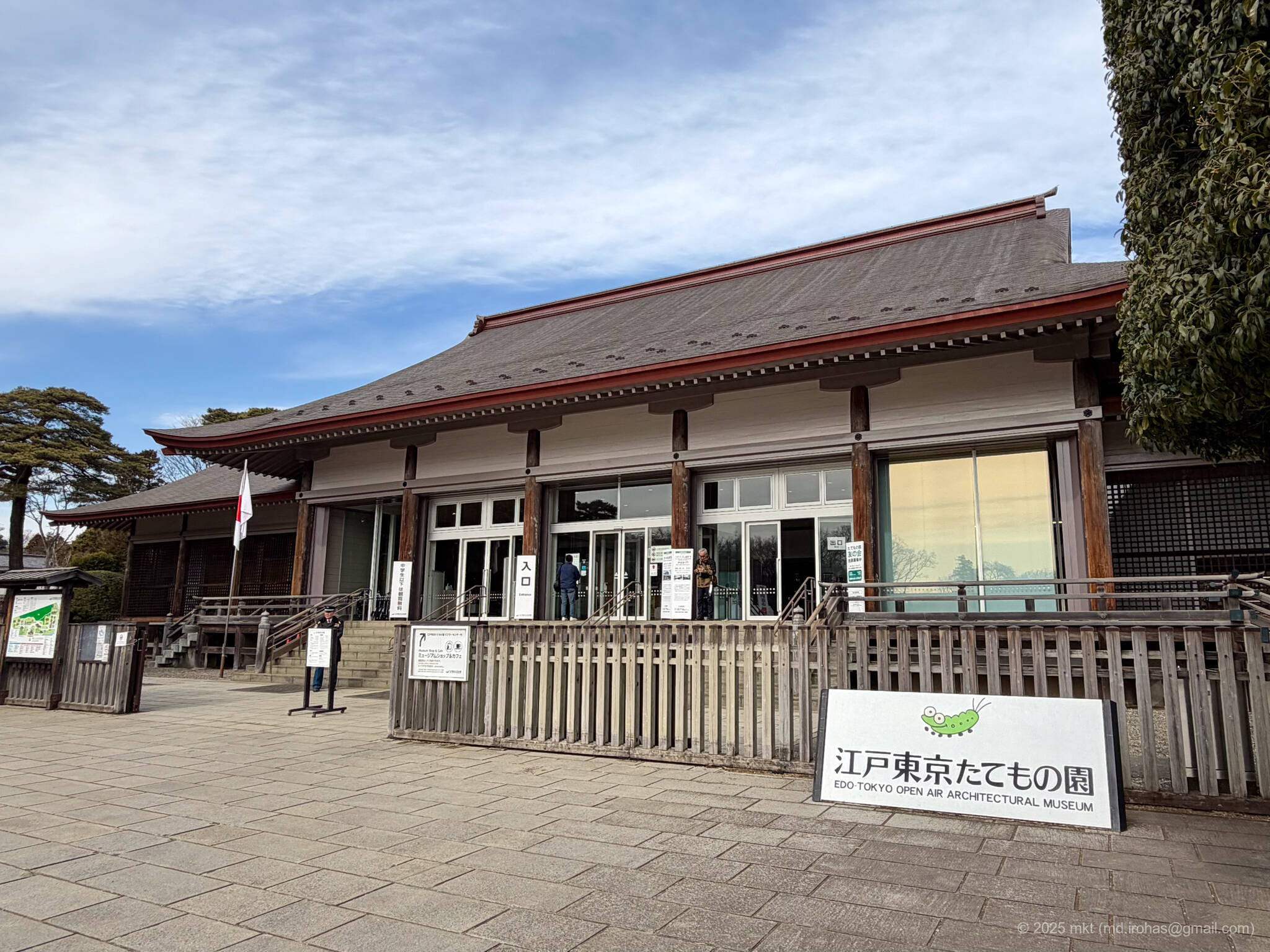
In February 2026, I visited the Edo-Tokyo Open Air Architectural Museum.
- Edo-Tokyo Open Air Architectural Museum (Official Site): https://www.tatemonoen.jp/english/
The Edo-Tokyo Open Air Architectural Museum is an outdoor museum inside Koganei Park in Koganei, Tokyo. It features relocated and restored buildings from the Edo period to the mid-Showa era, including homes, shops, and public buildings. You can actually walk inside many of them and see interiors and daily-life items up close. Here, Edo refers to 1603-1868, Meiji to 1868-1912, and Showa to 1926-1989.
As of February 2026, admission was 400 yen for adults (200 yen for age 65+, 320 yen for university students, 200 yen for high school students, and free for junior high school students and younger). Please check the official website for the latest details.
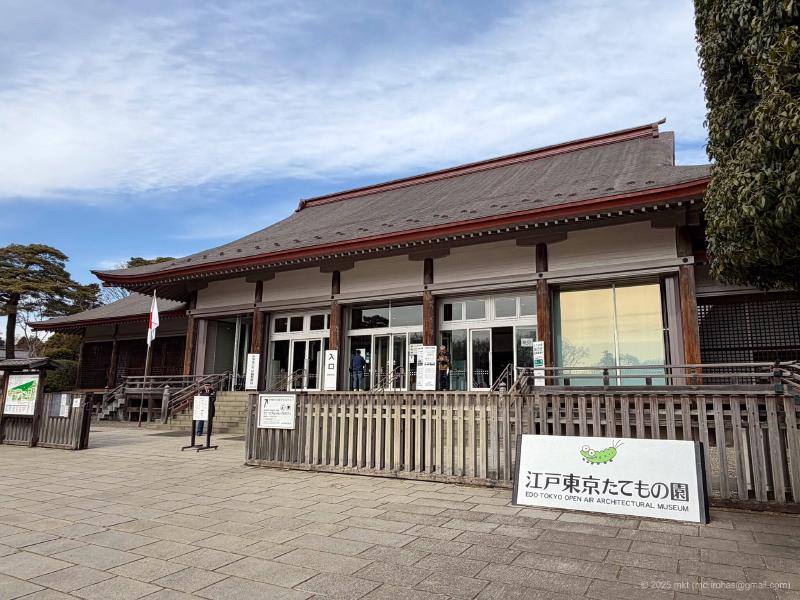
The museum grounds are divided into the West Zone, Center Zone, and East Zone, so I walked through them in that order.
- Edo-Tokyo Open Air Architectural Museum Site Map: https://www.tatemonoen.jp/english/restore/intro/
There are a lot of buildings, so this post focuses mostly on photos. For detailed building information, please check the official website.
West Zone #
- Restored Buildings (West Zone): https://www.tatemonoen.jp/restore/intro/west.php
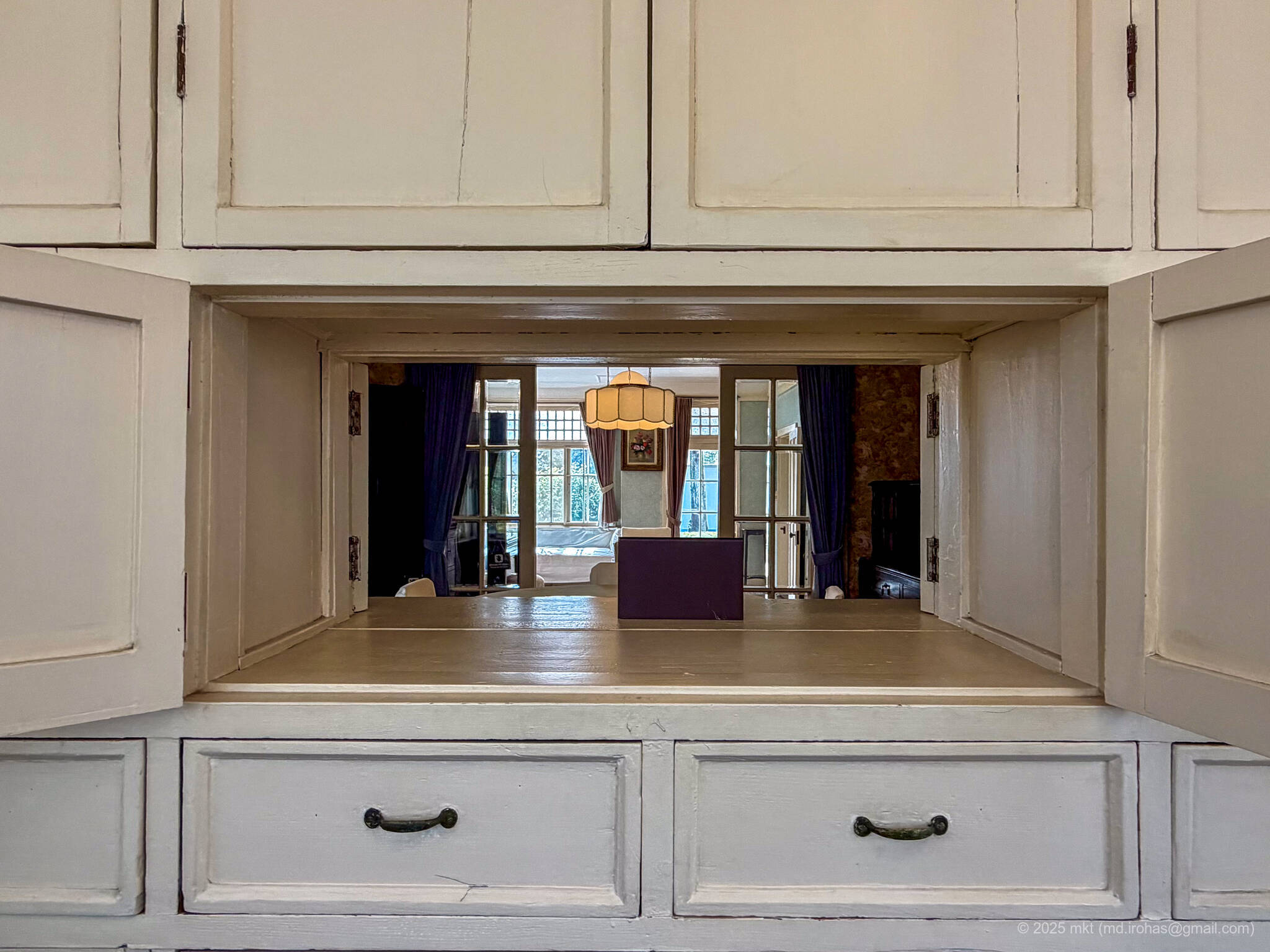
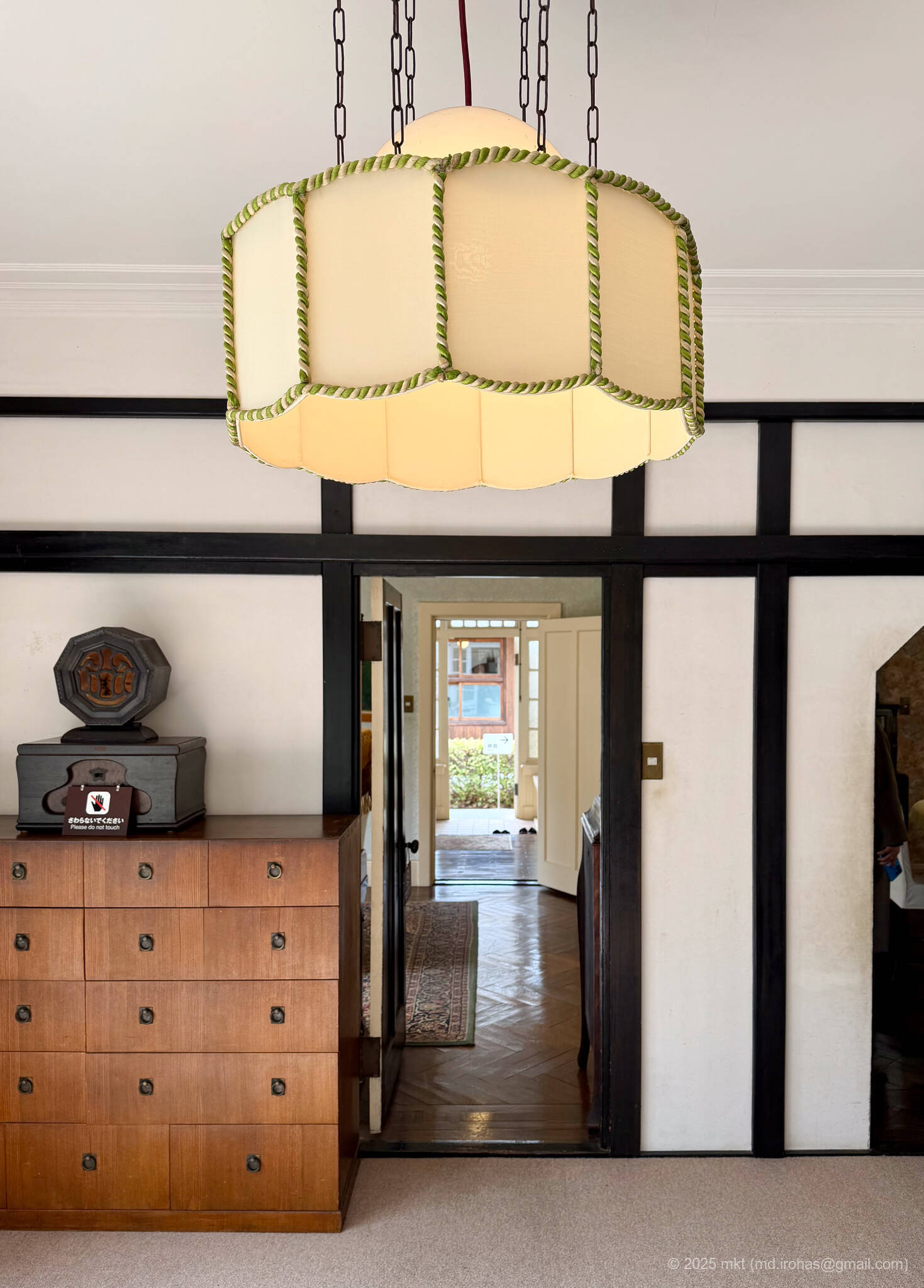
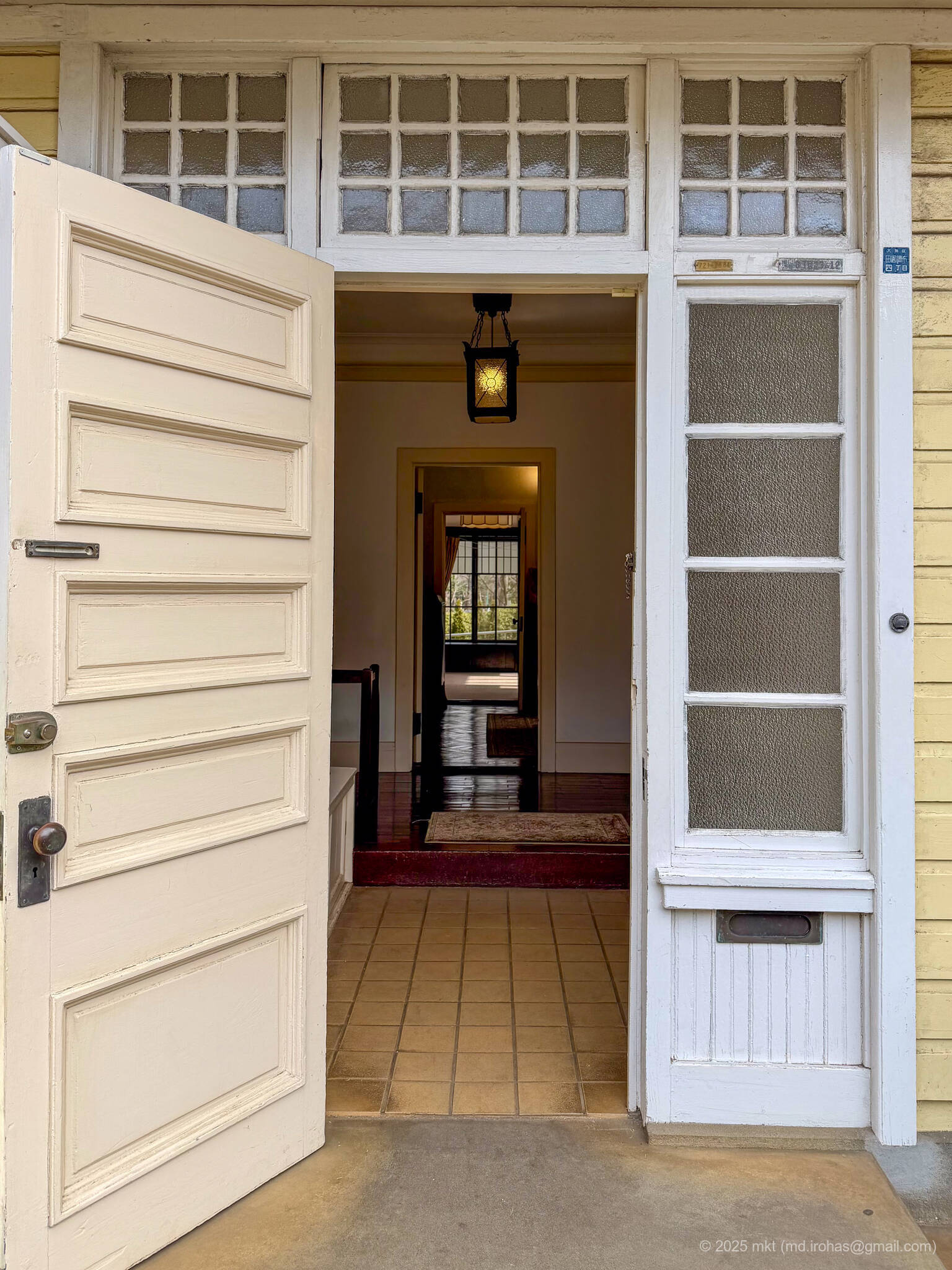
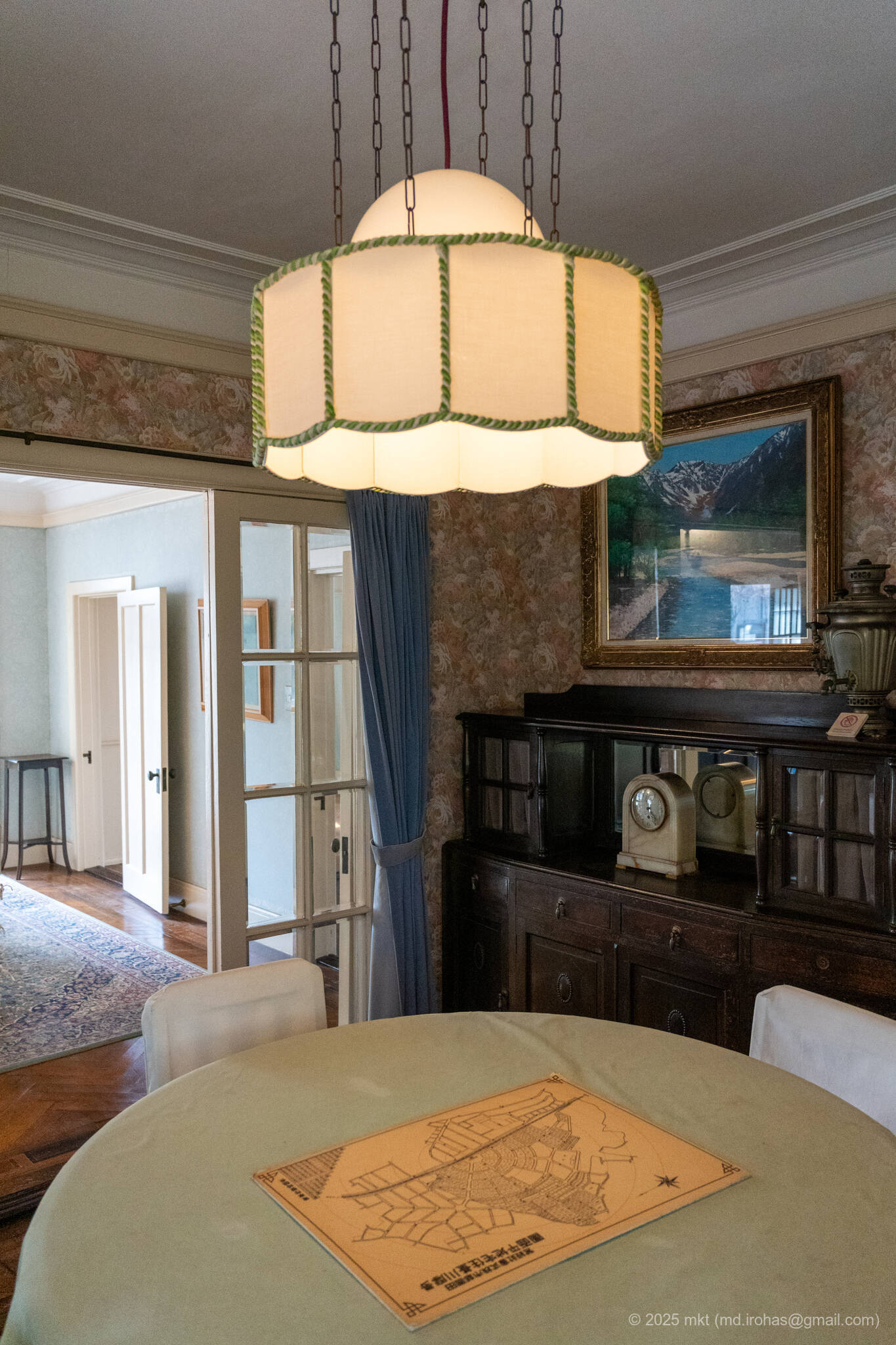
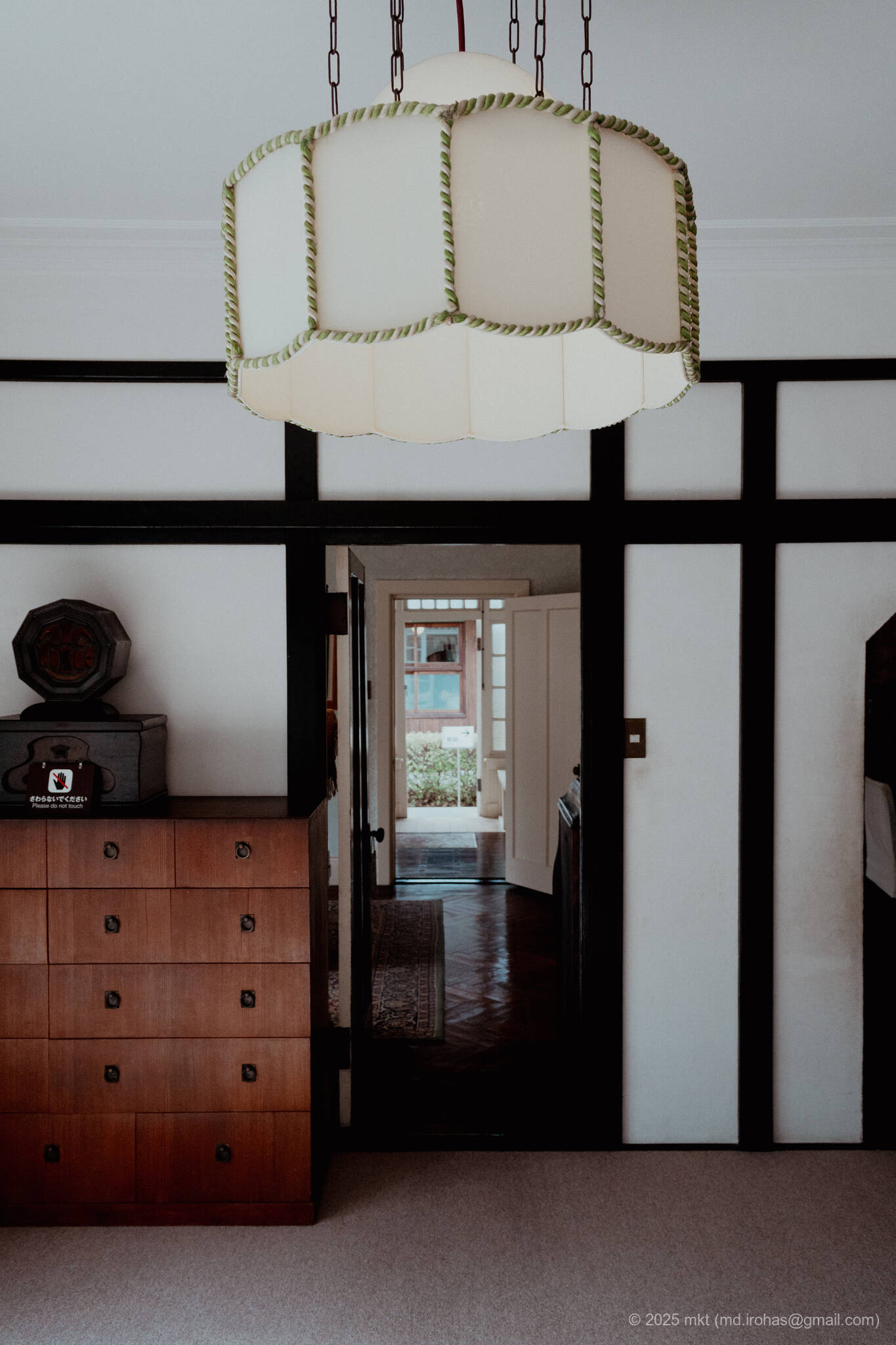
Denenchofu House (Okawa Residence). This one-story house was built in Denenchofu in 1925, and all rooms are Western-style.
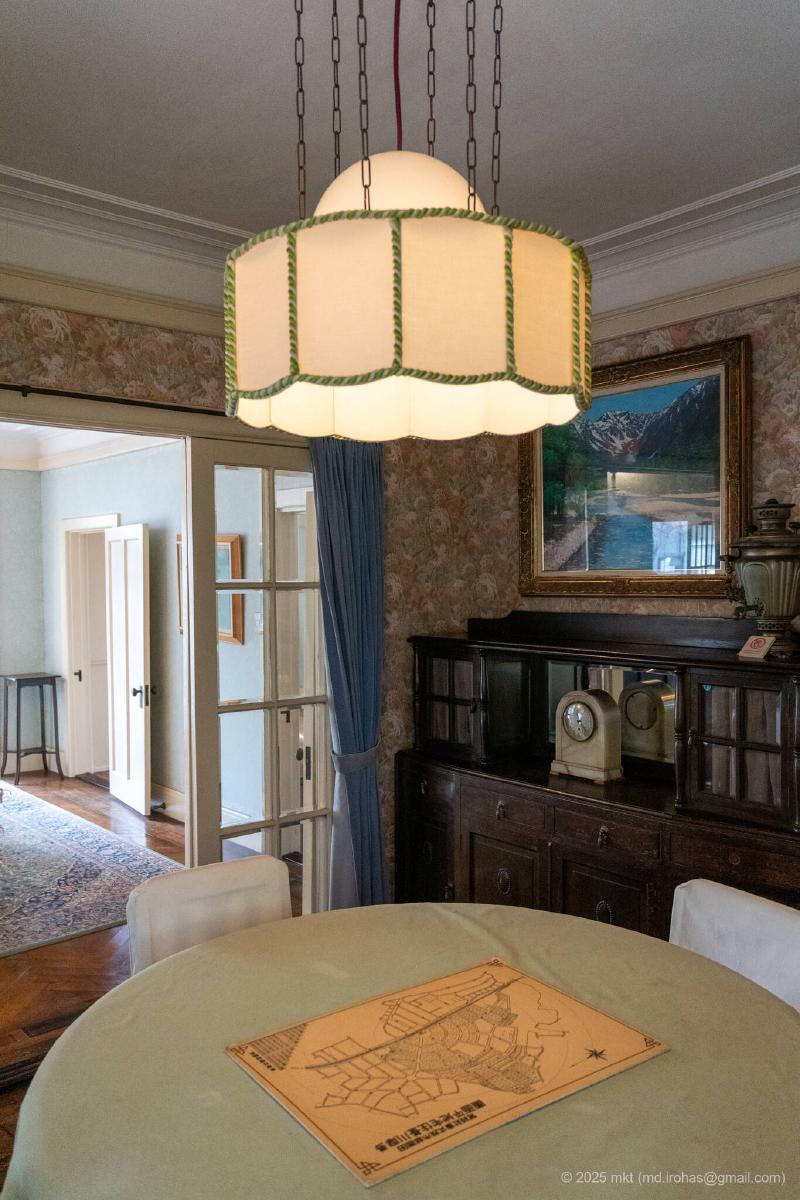
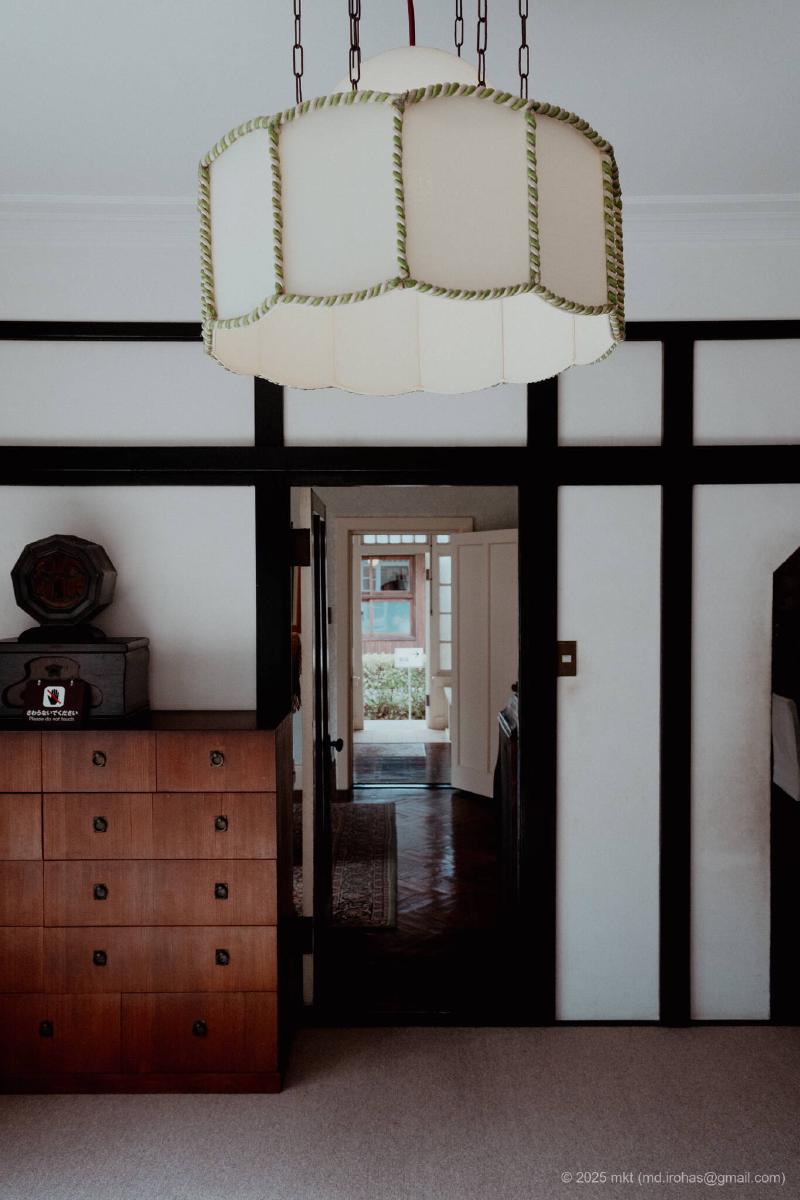
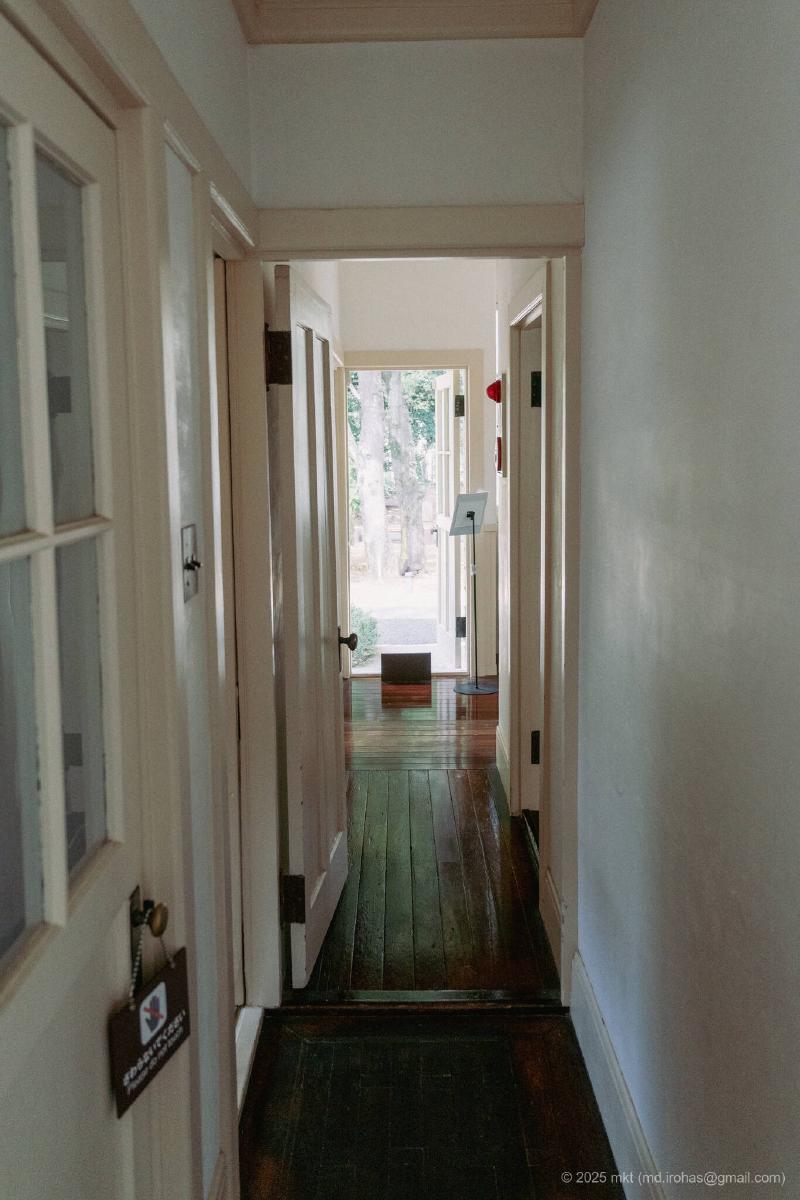
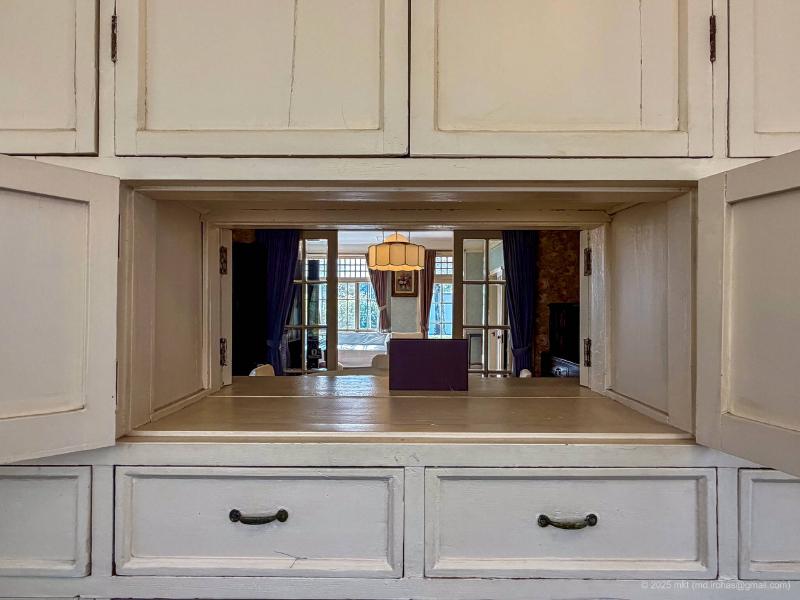
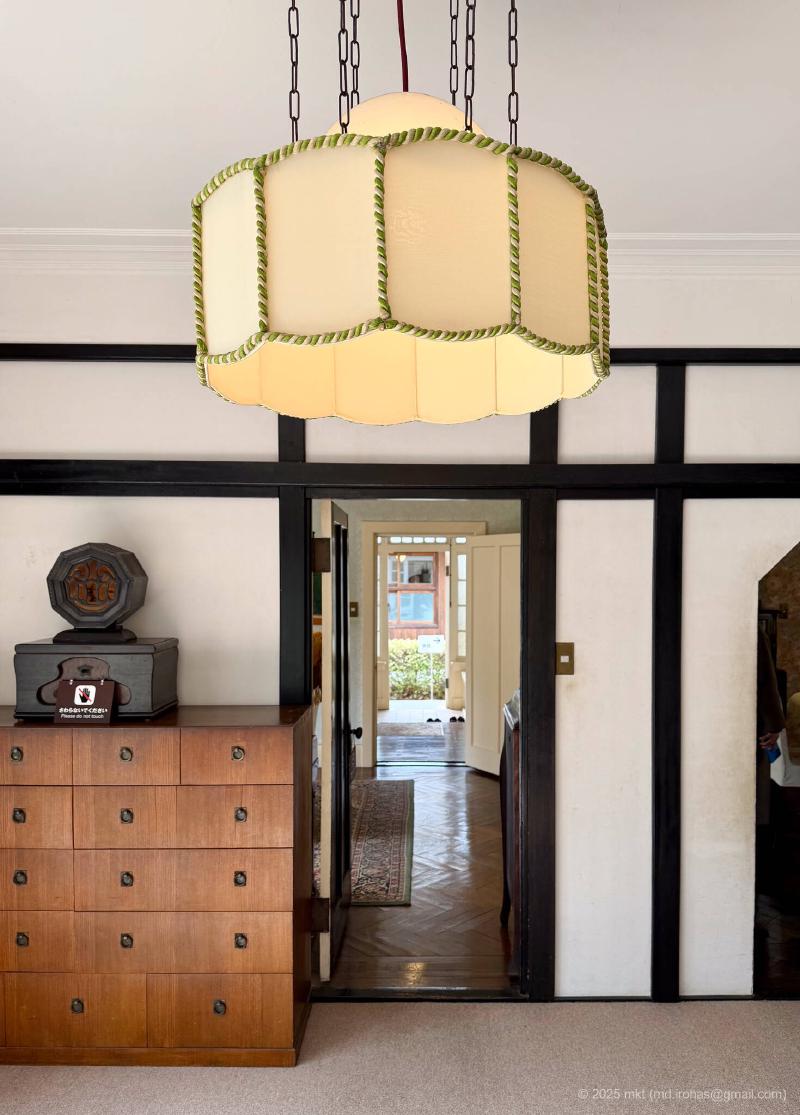
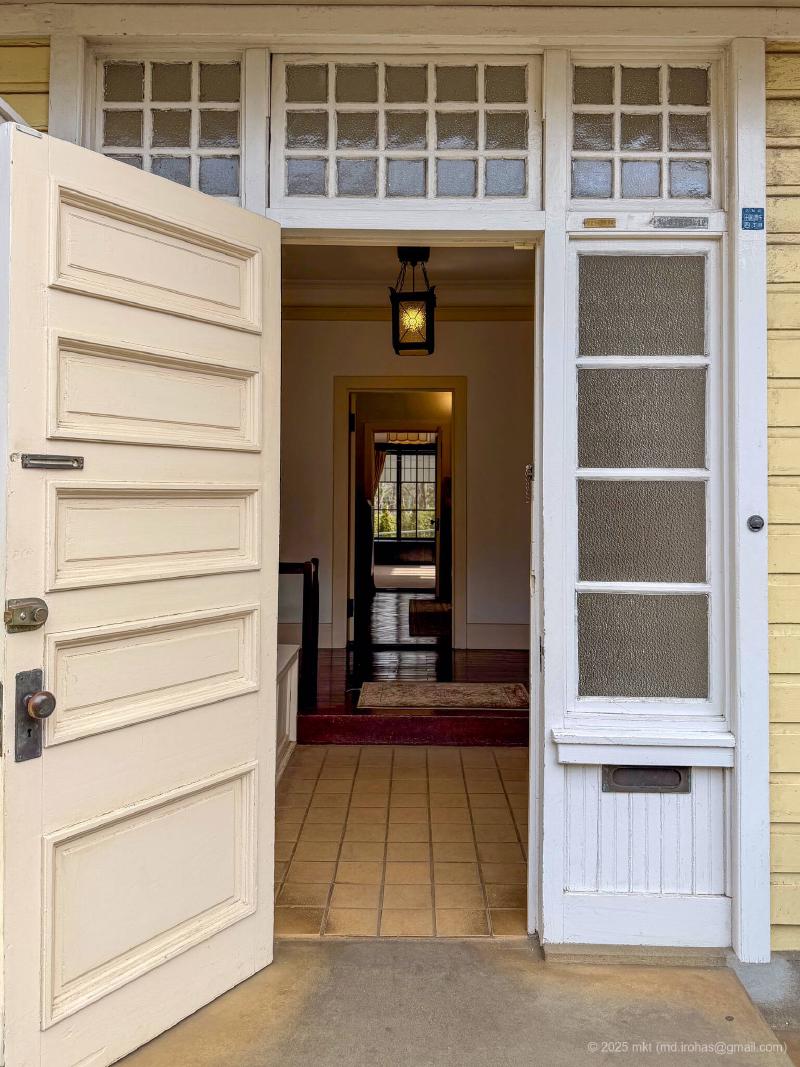
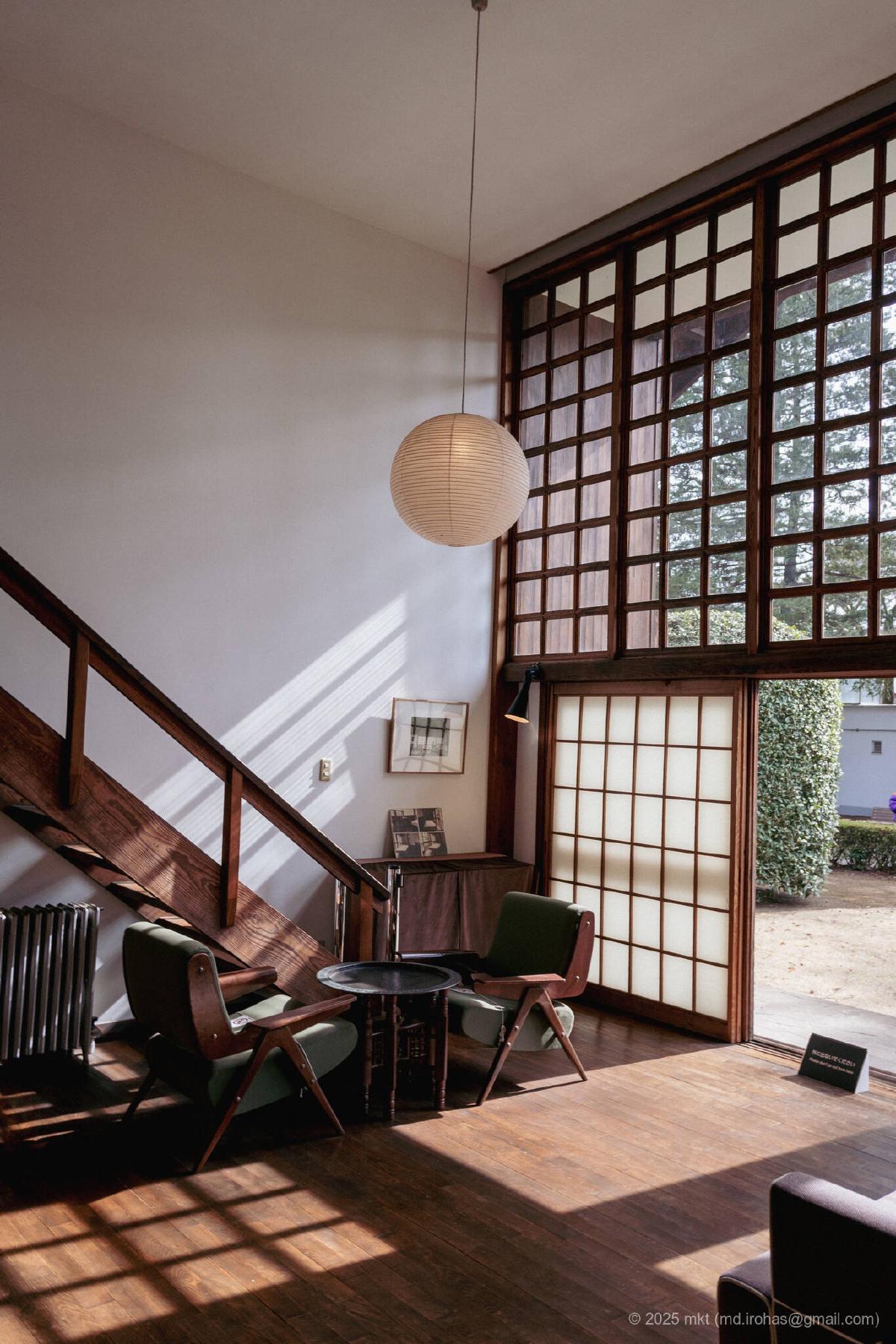
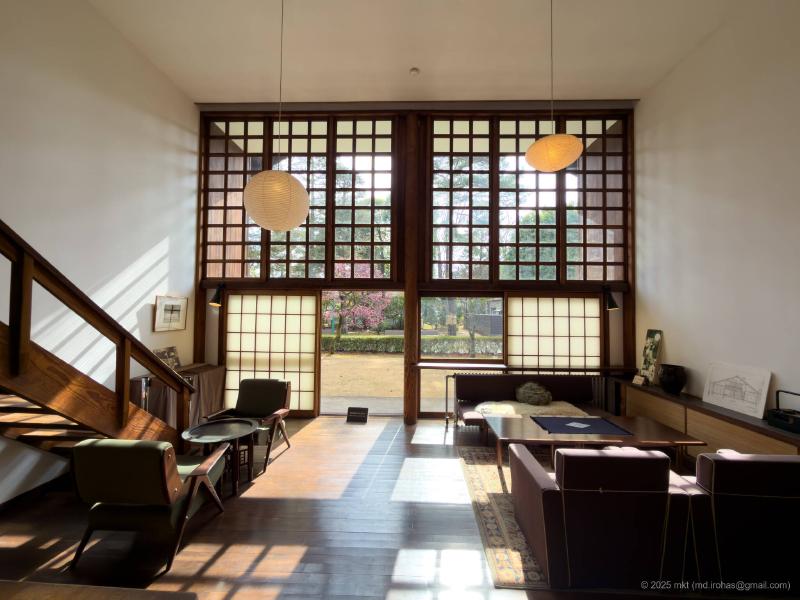
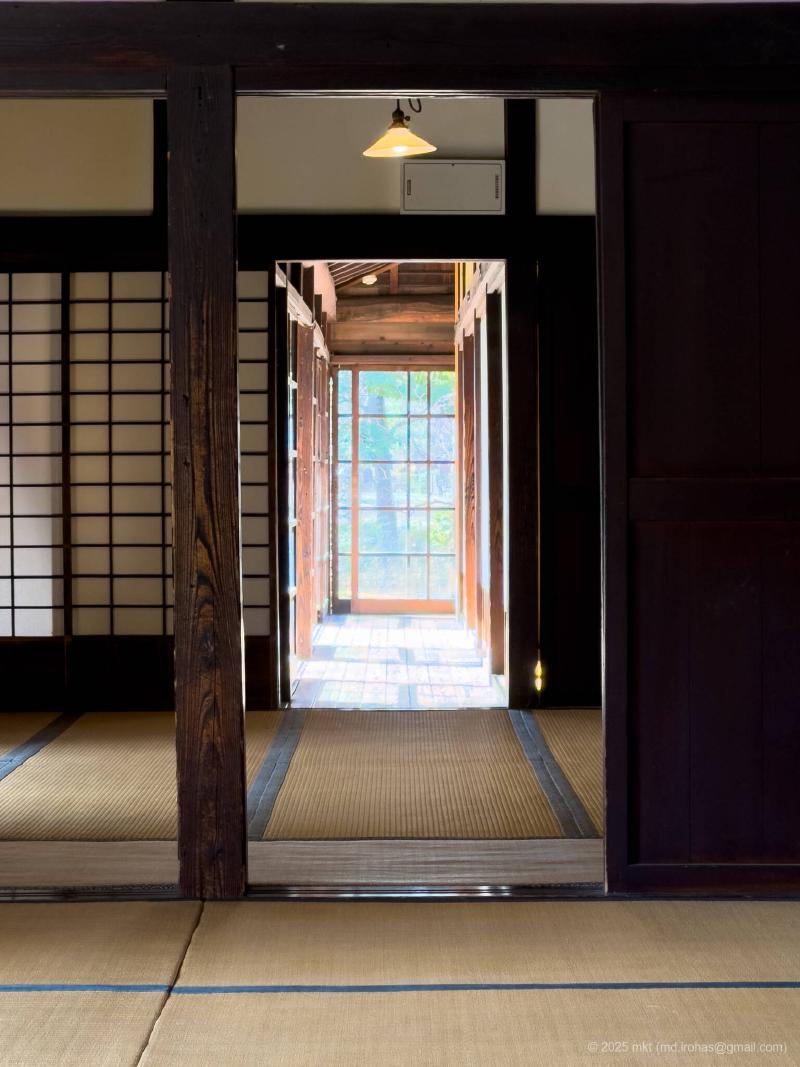
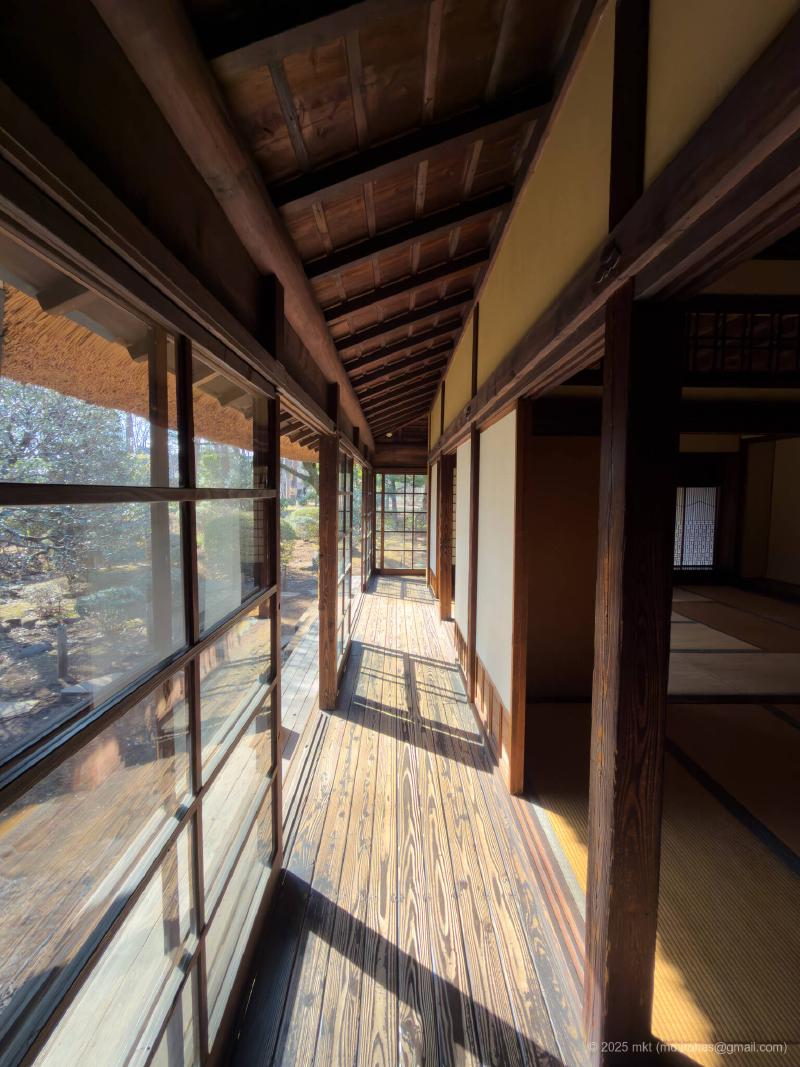
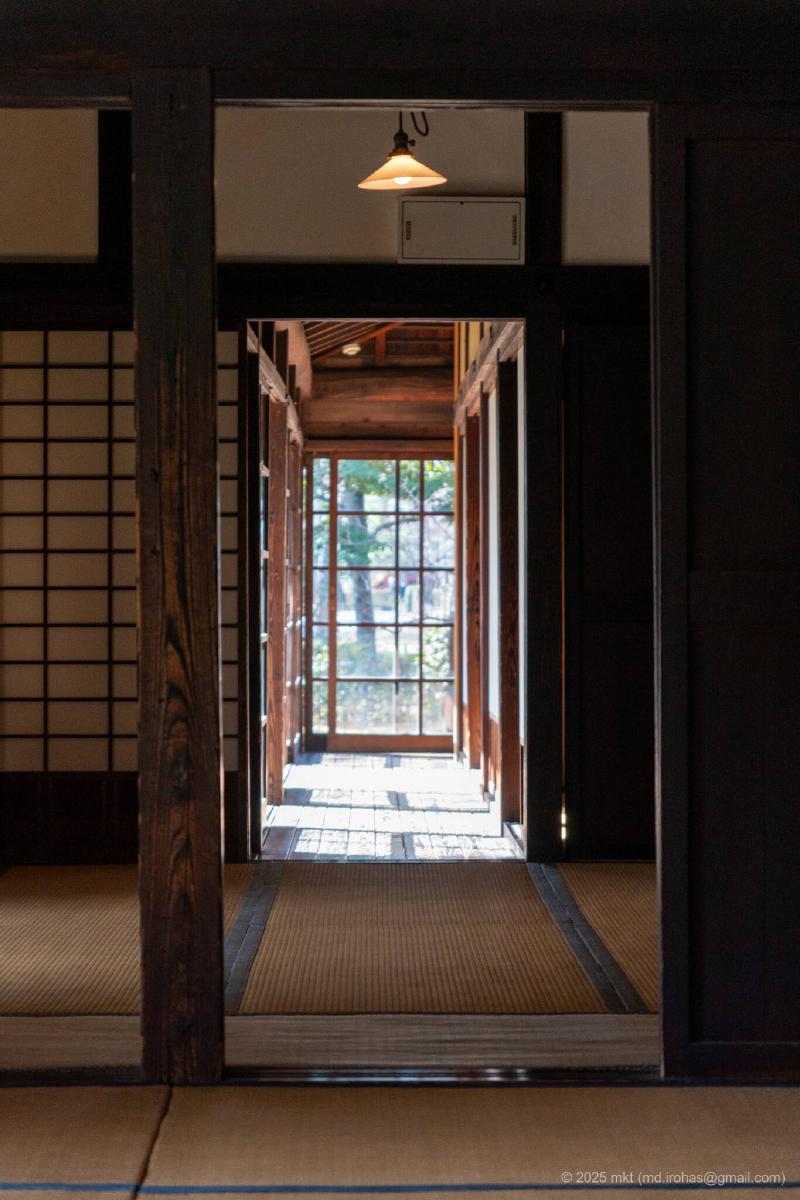
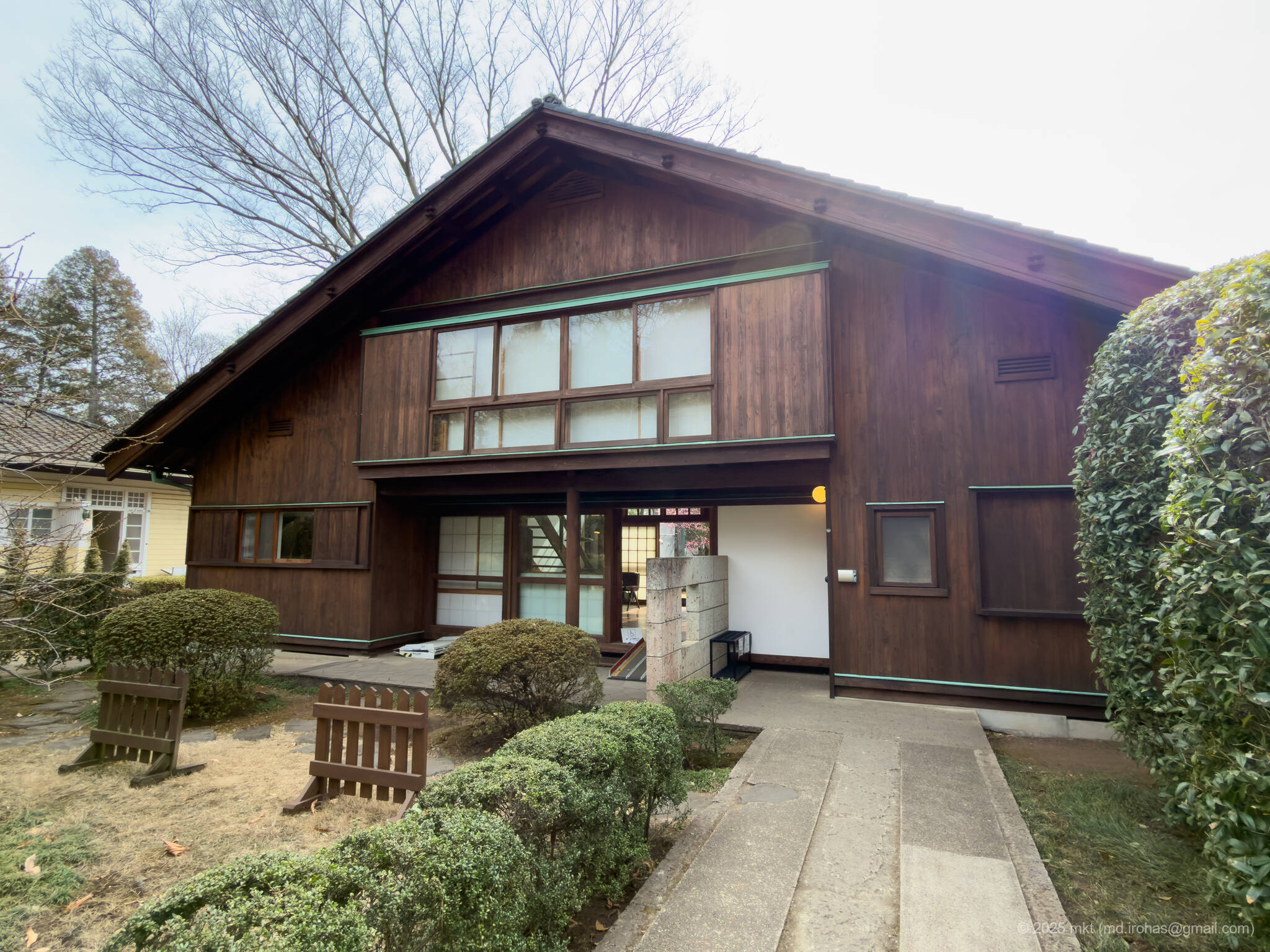
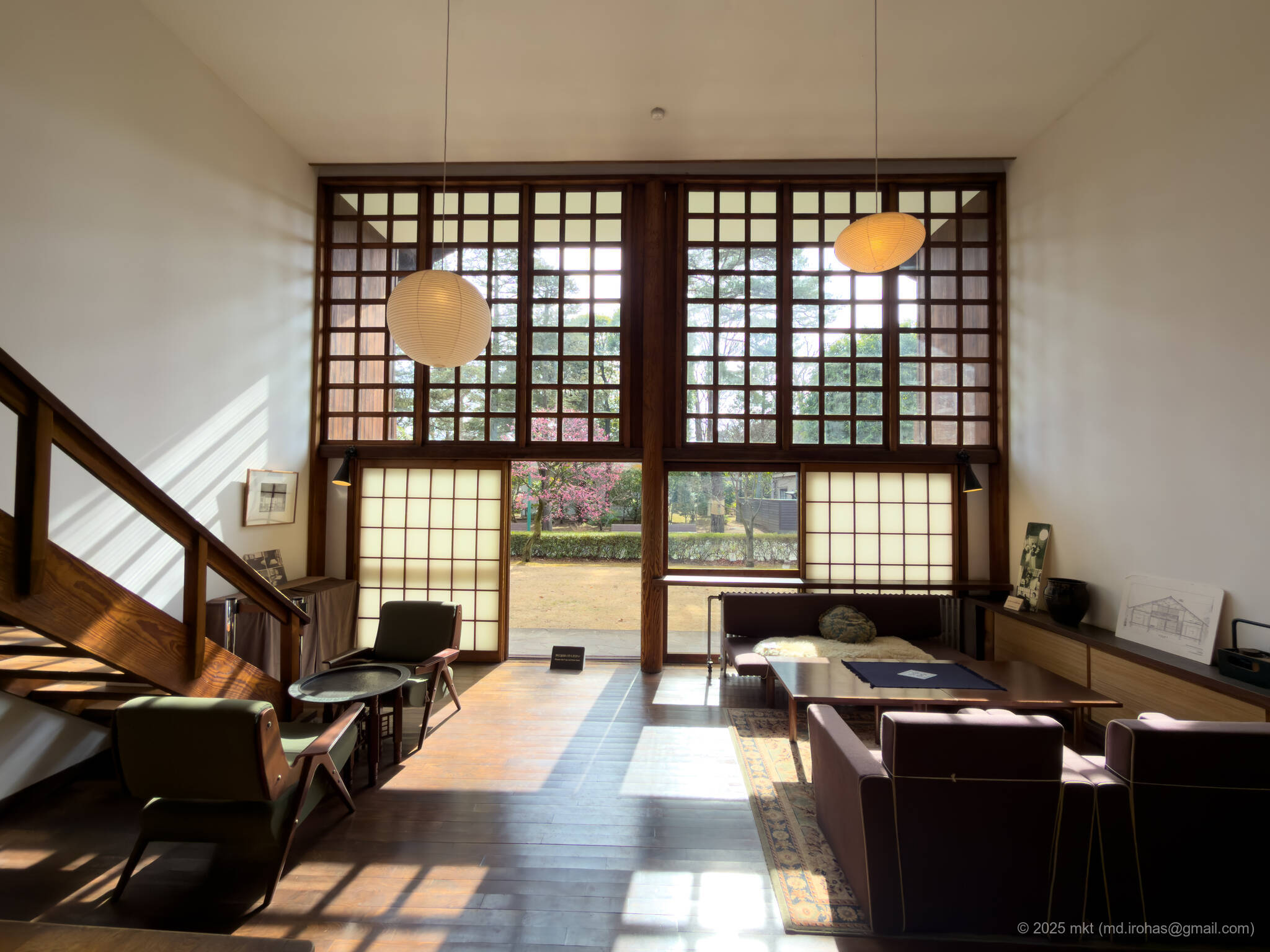
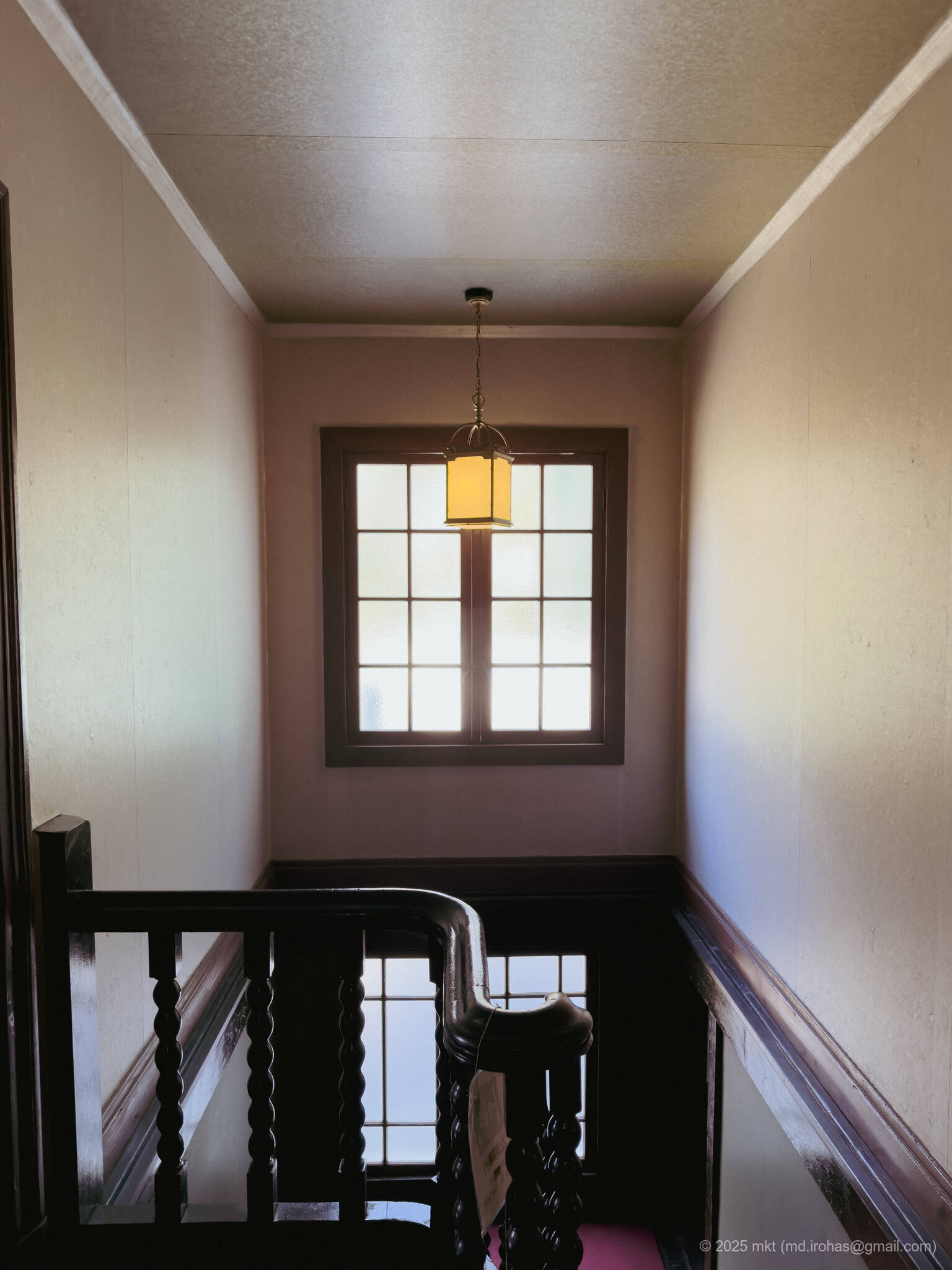
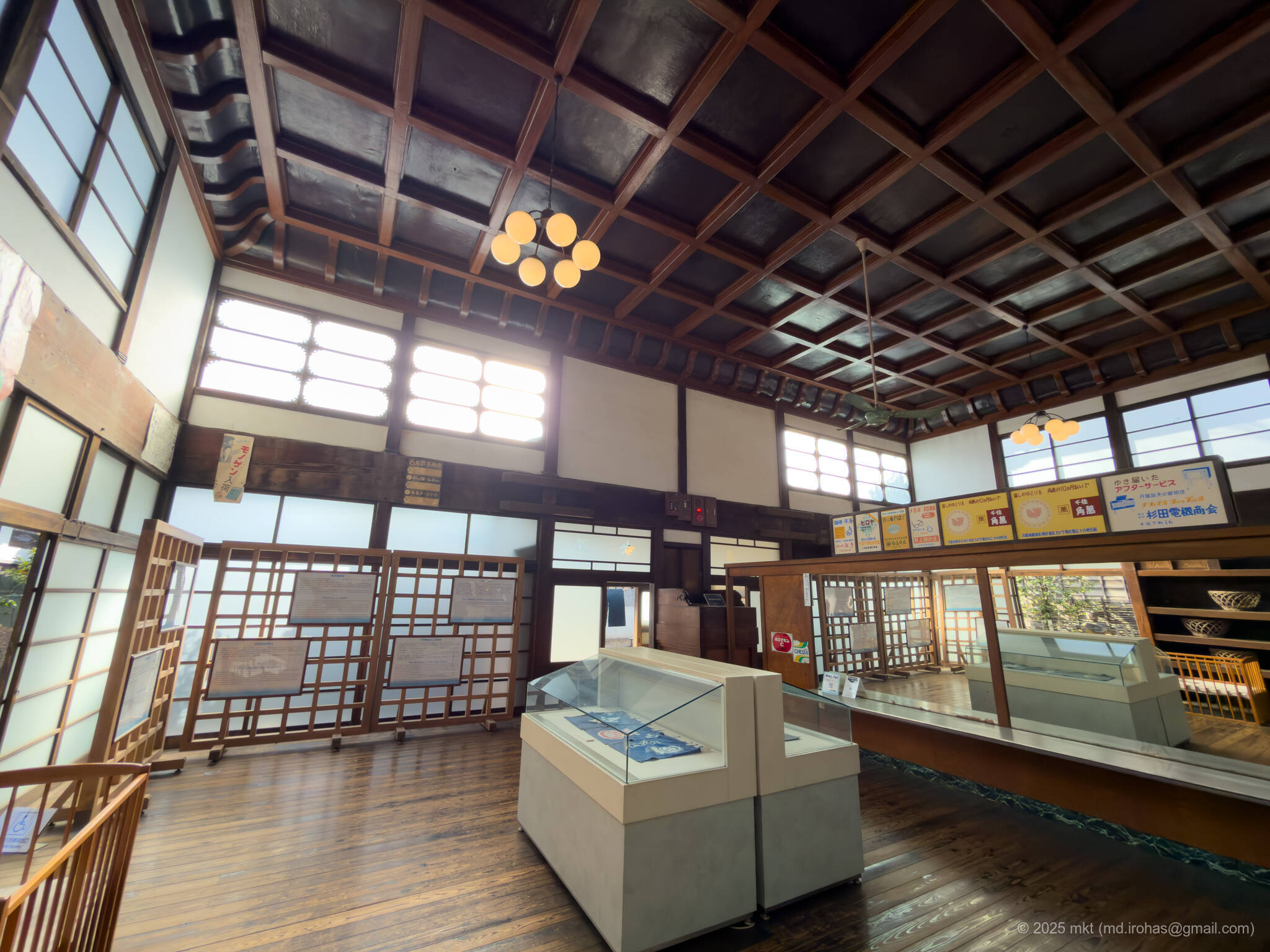
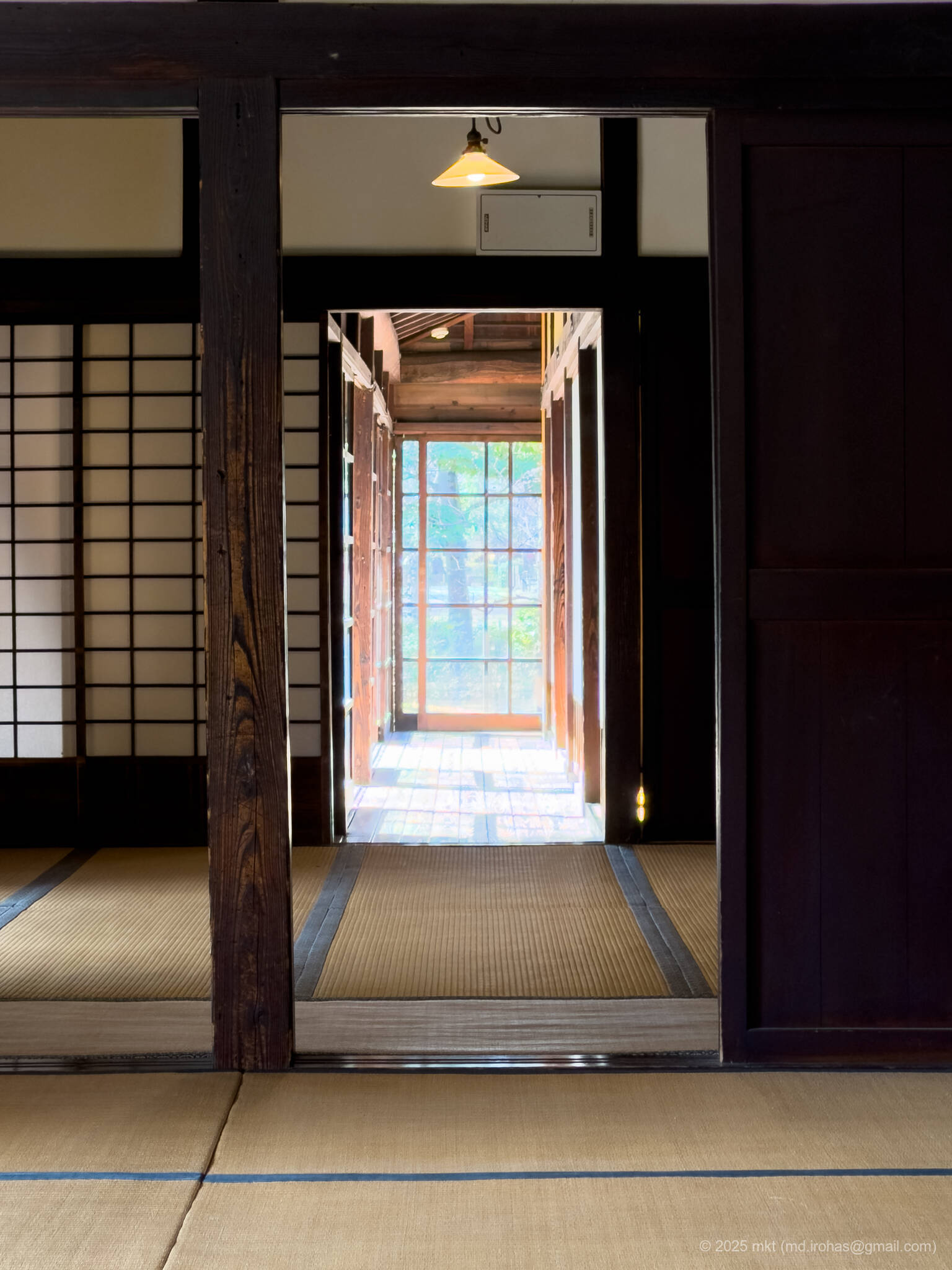
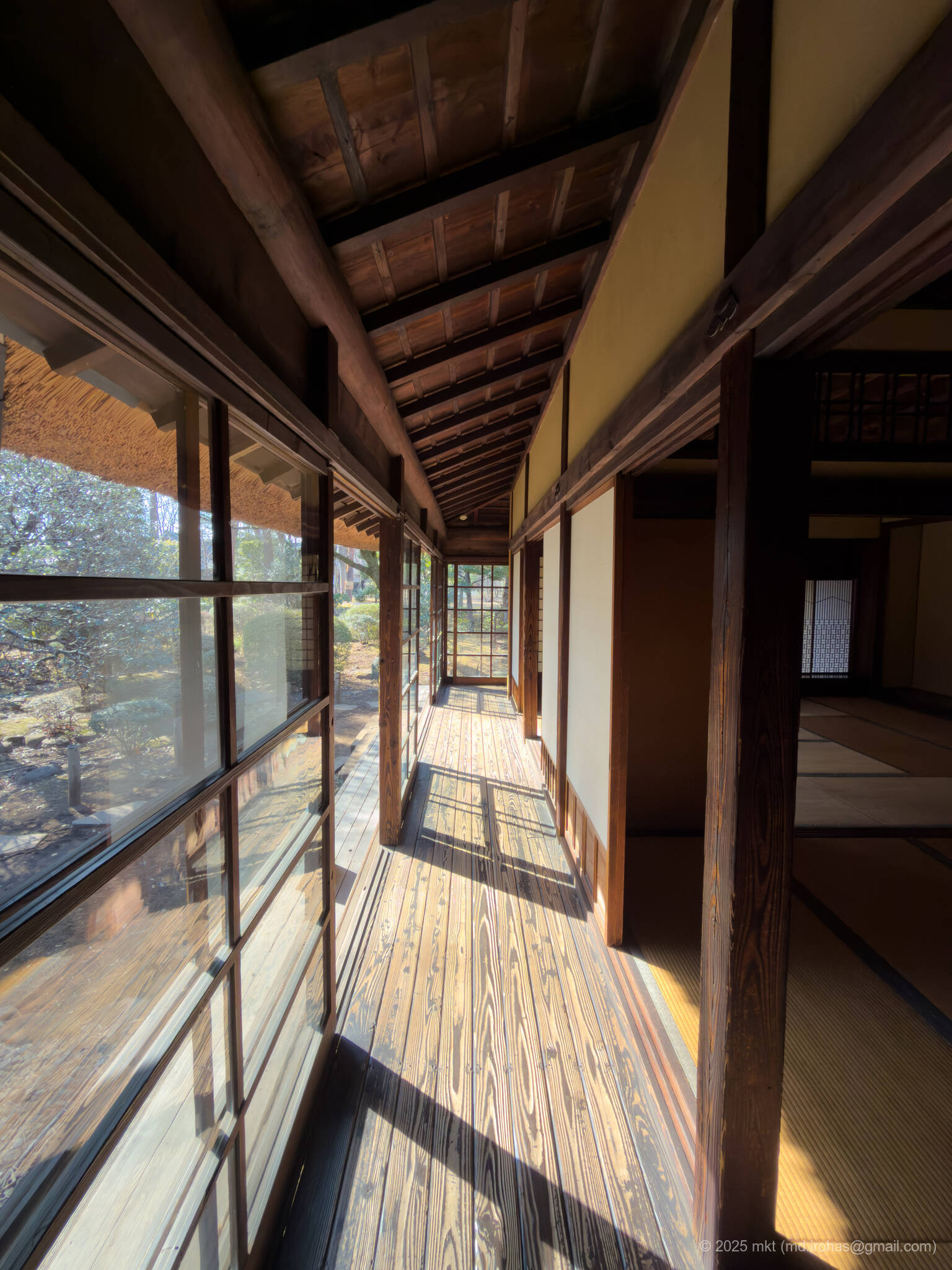
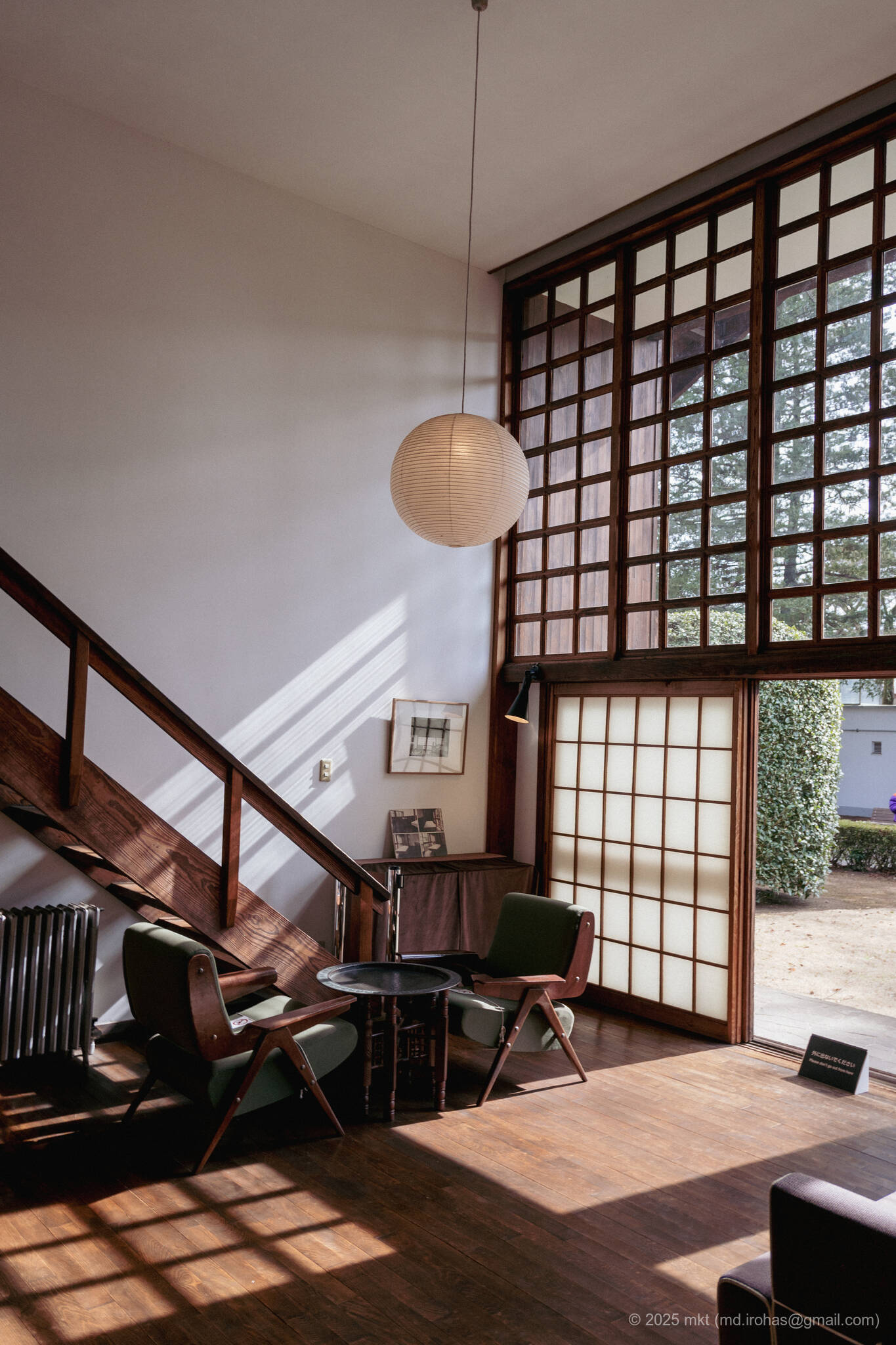
Maekawa Kunio Residence. This Japanese-style residence was built in 1942 under wartime conditions. I liked the airy open ceiling and the light coming in through the windows.
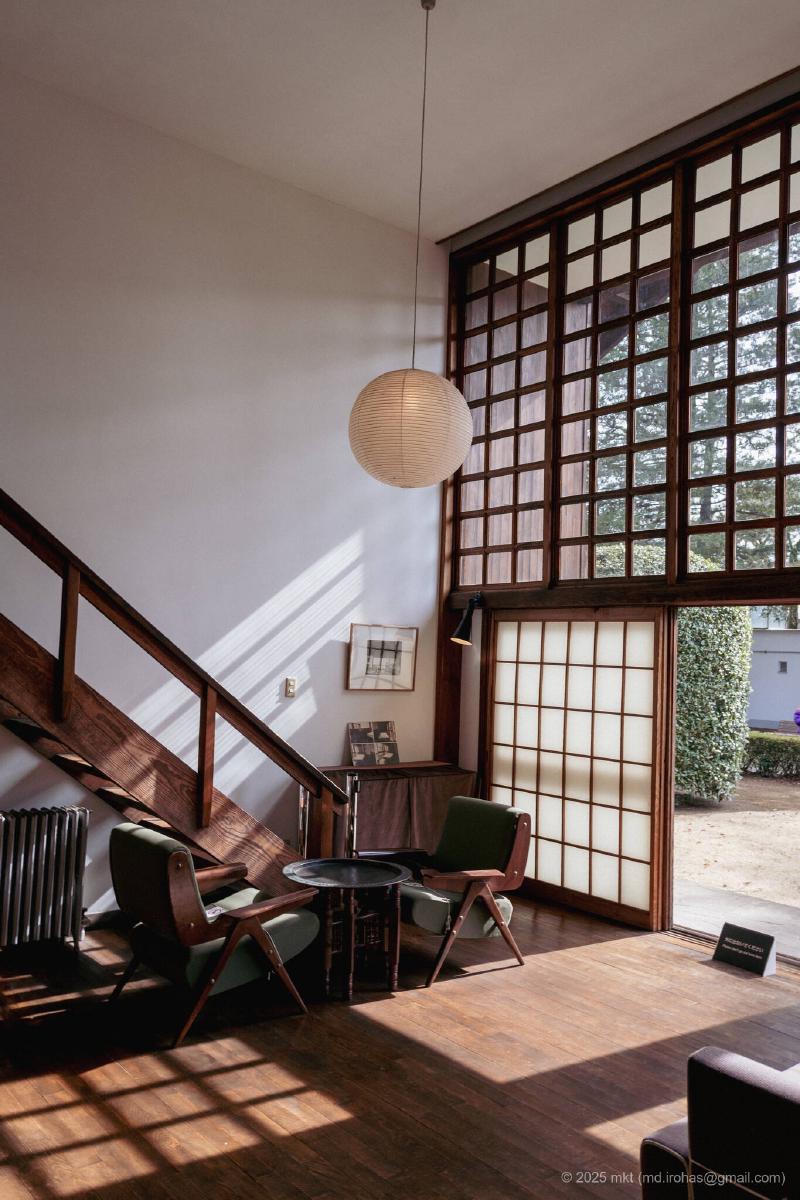
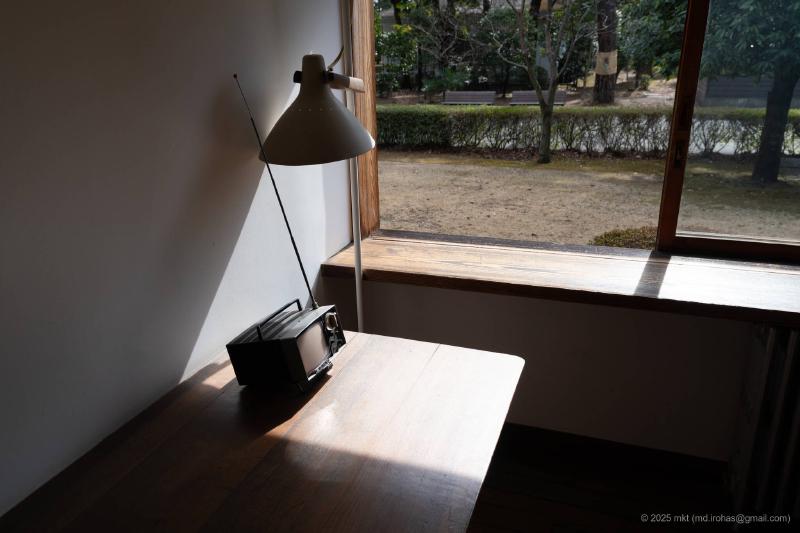
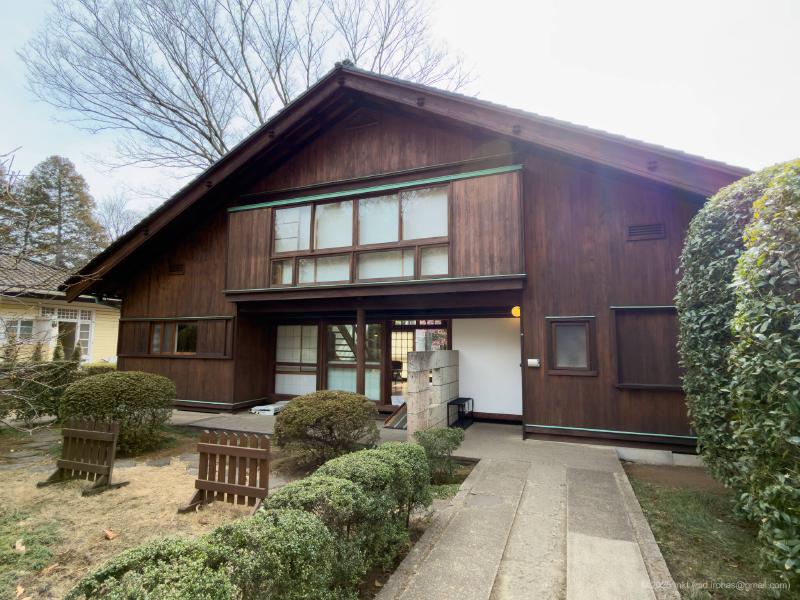
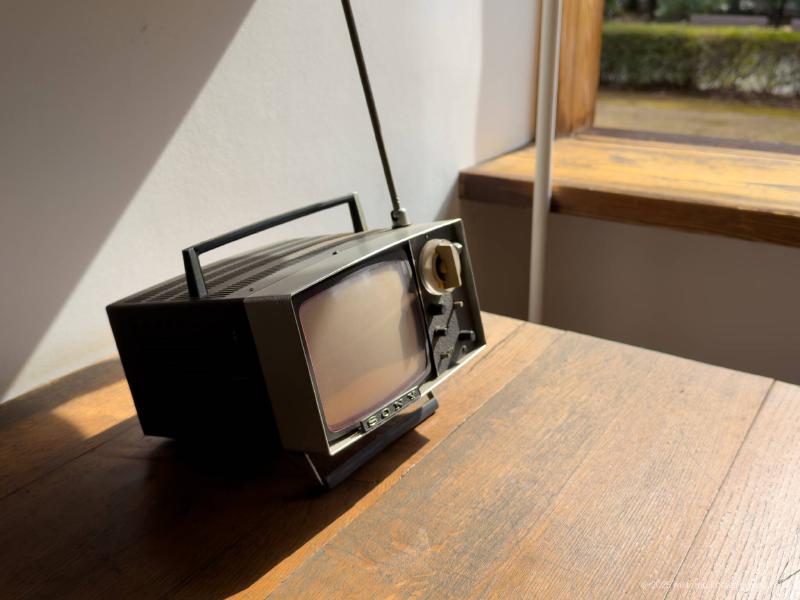
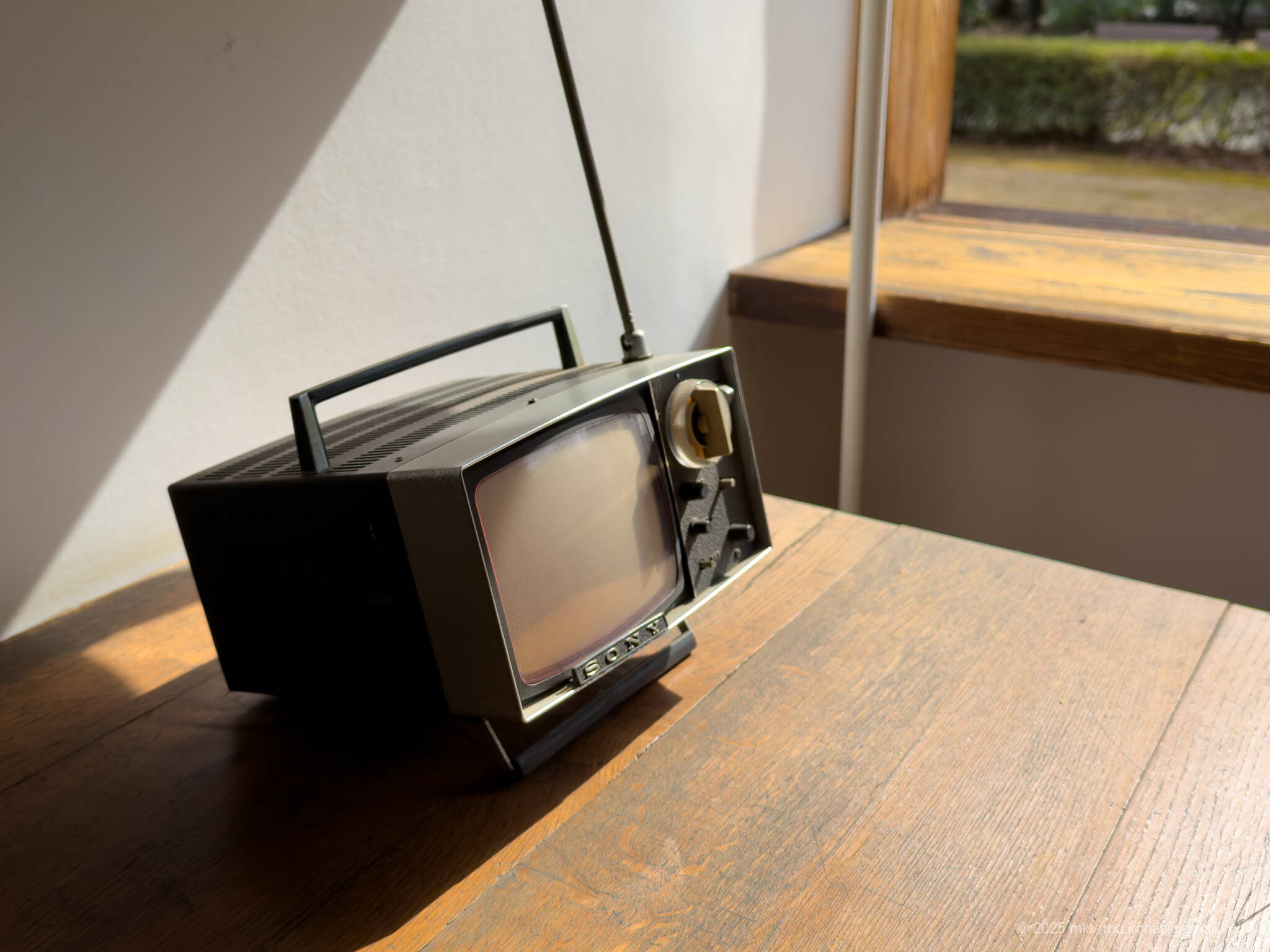
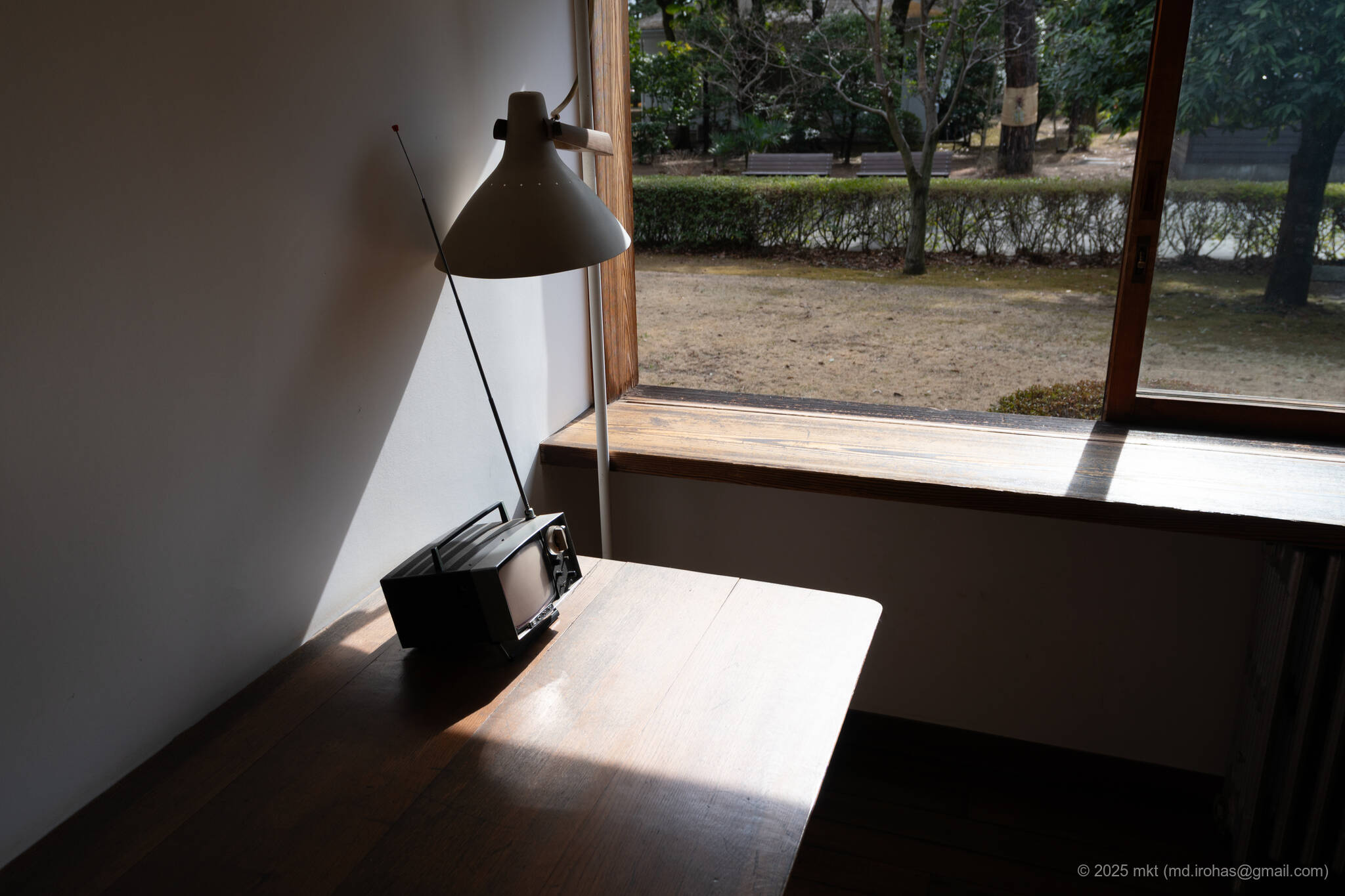
The TV in the study appears to be a Sony portable TV released in 1962. It is impressive that Sony released a 5-inch compact TV back in 1962, and also that the Sony logo has barely changed since then.
Reference: https://www.shmj.or.jp/museum2010/exhibi222.html (in Japanese)
Koide Residence. This house was built in 1925.
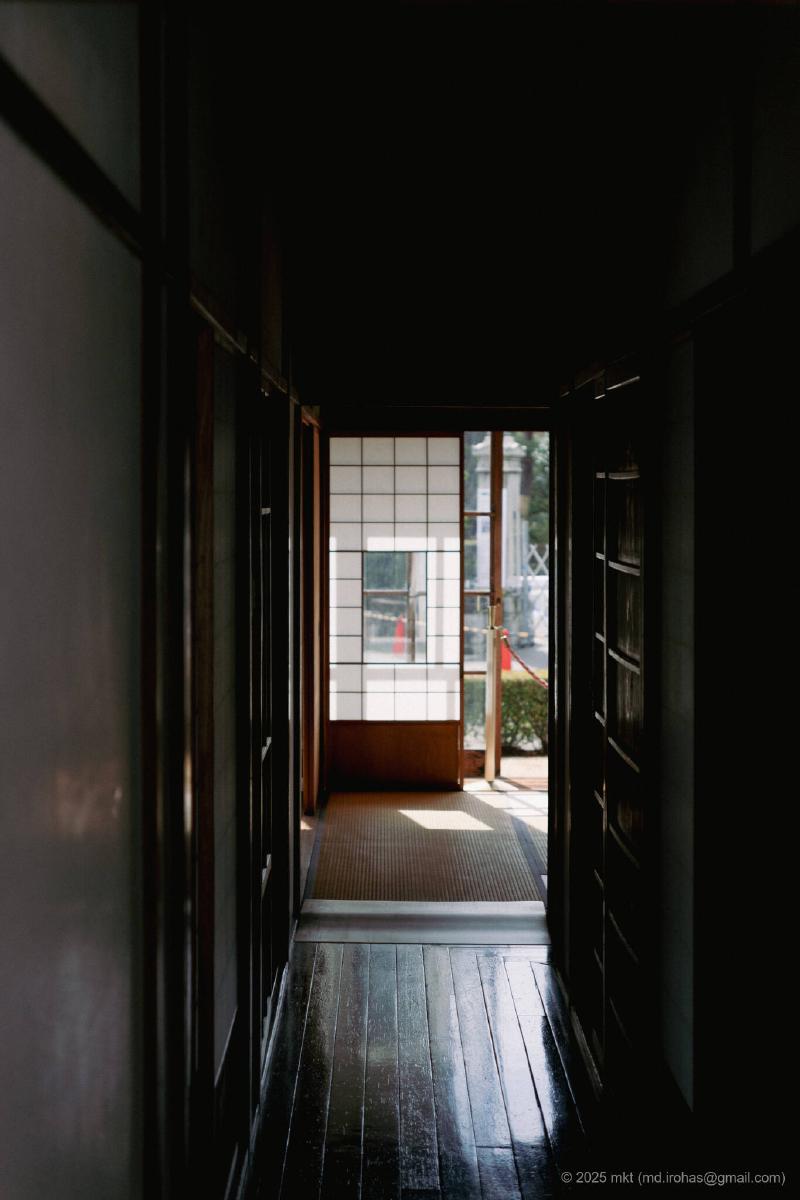
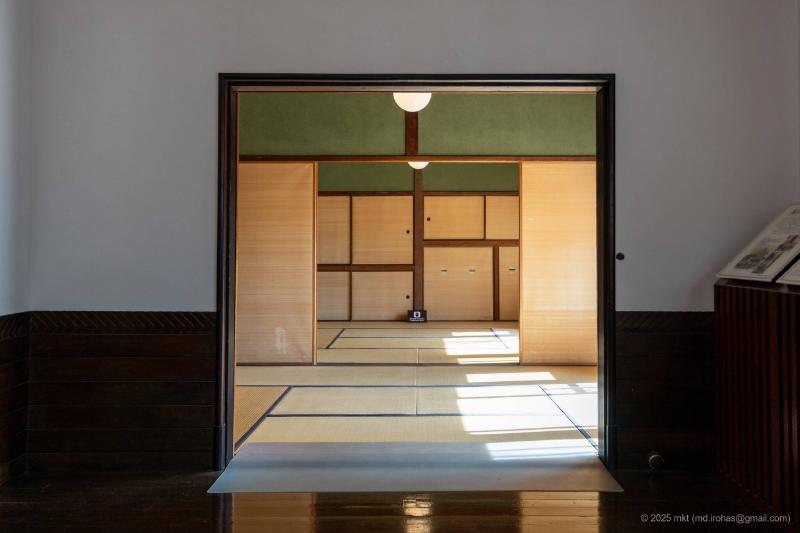
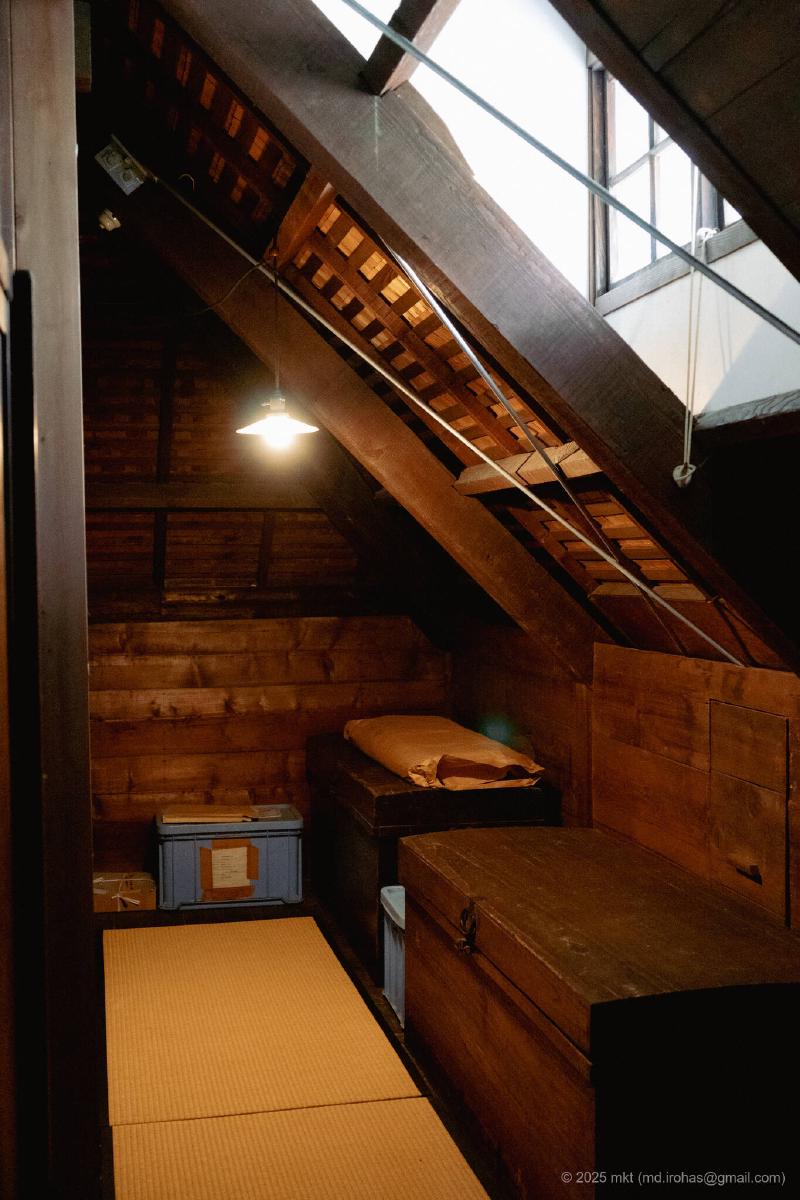
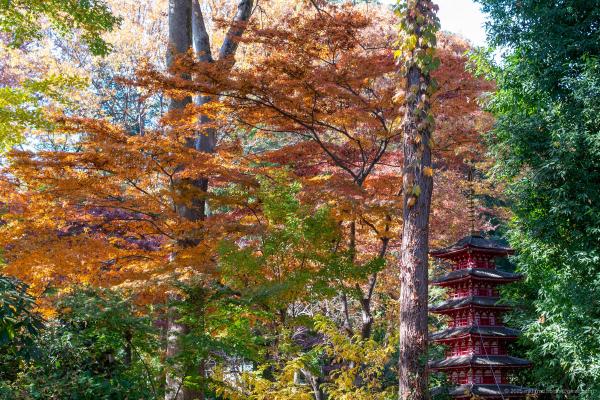
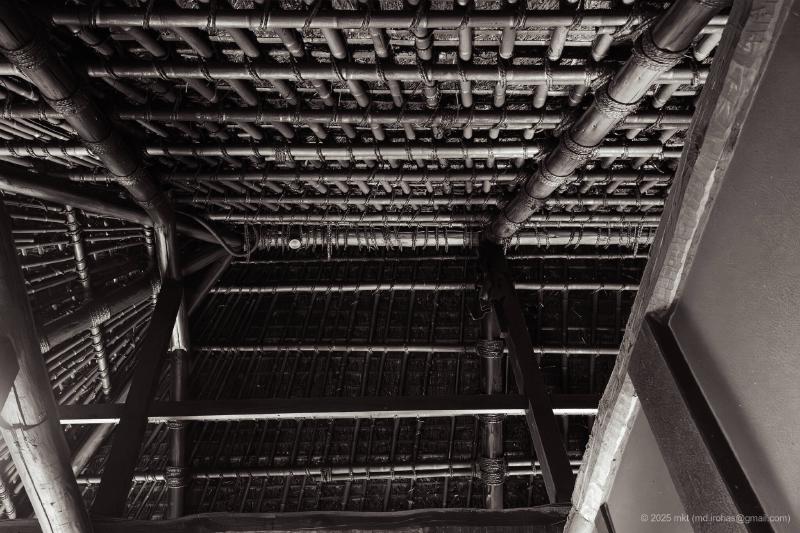
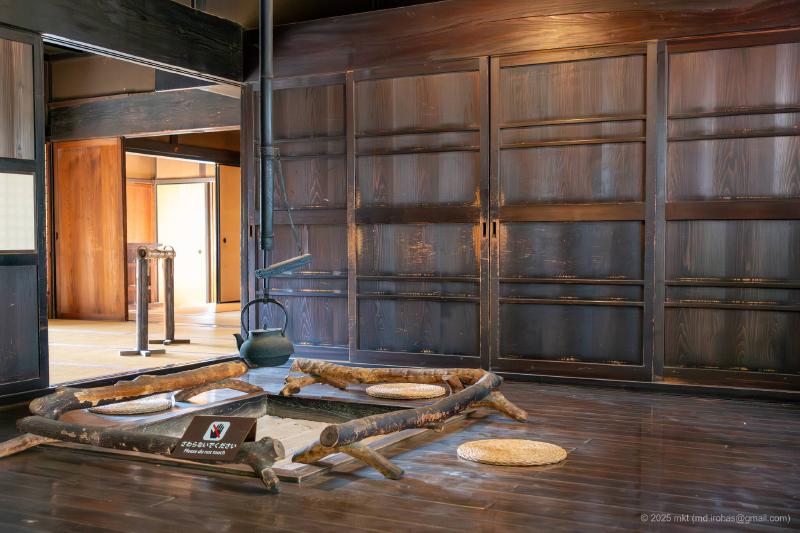
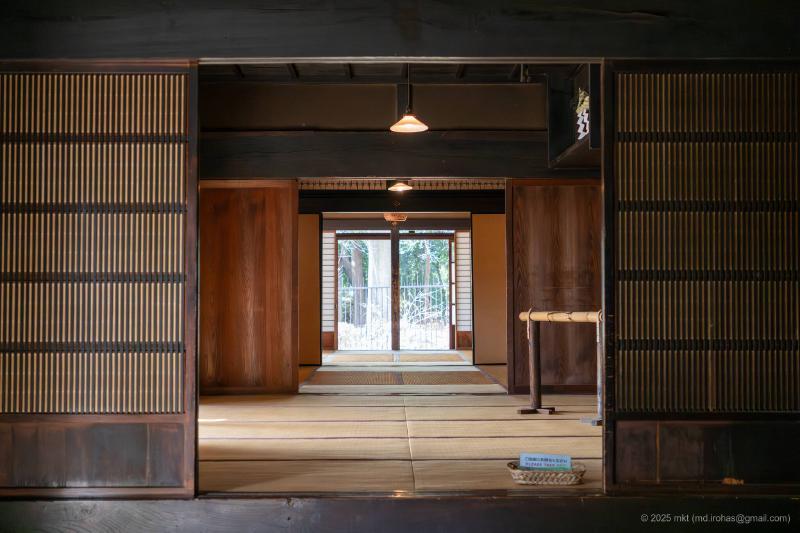
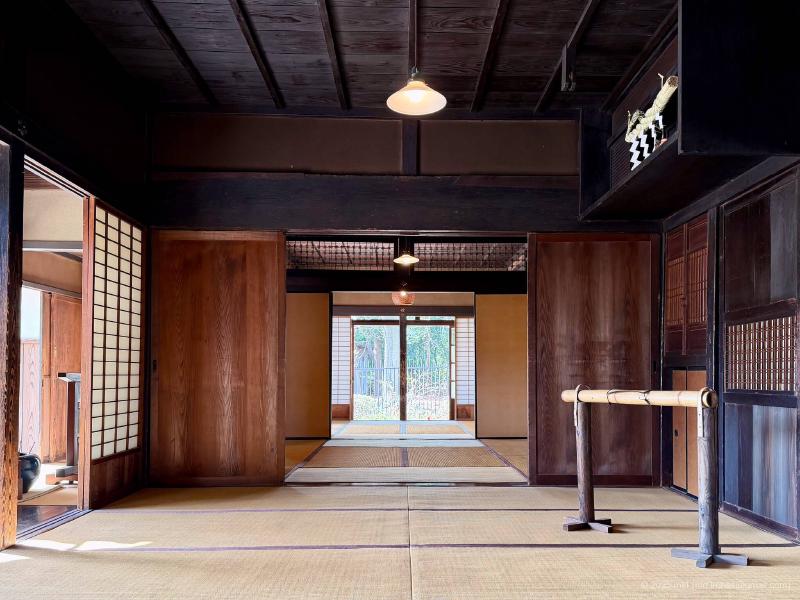
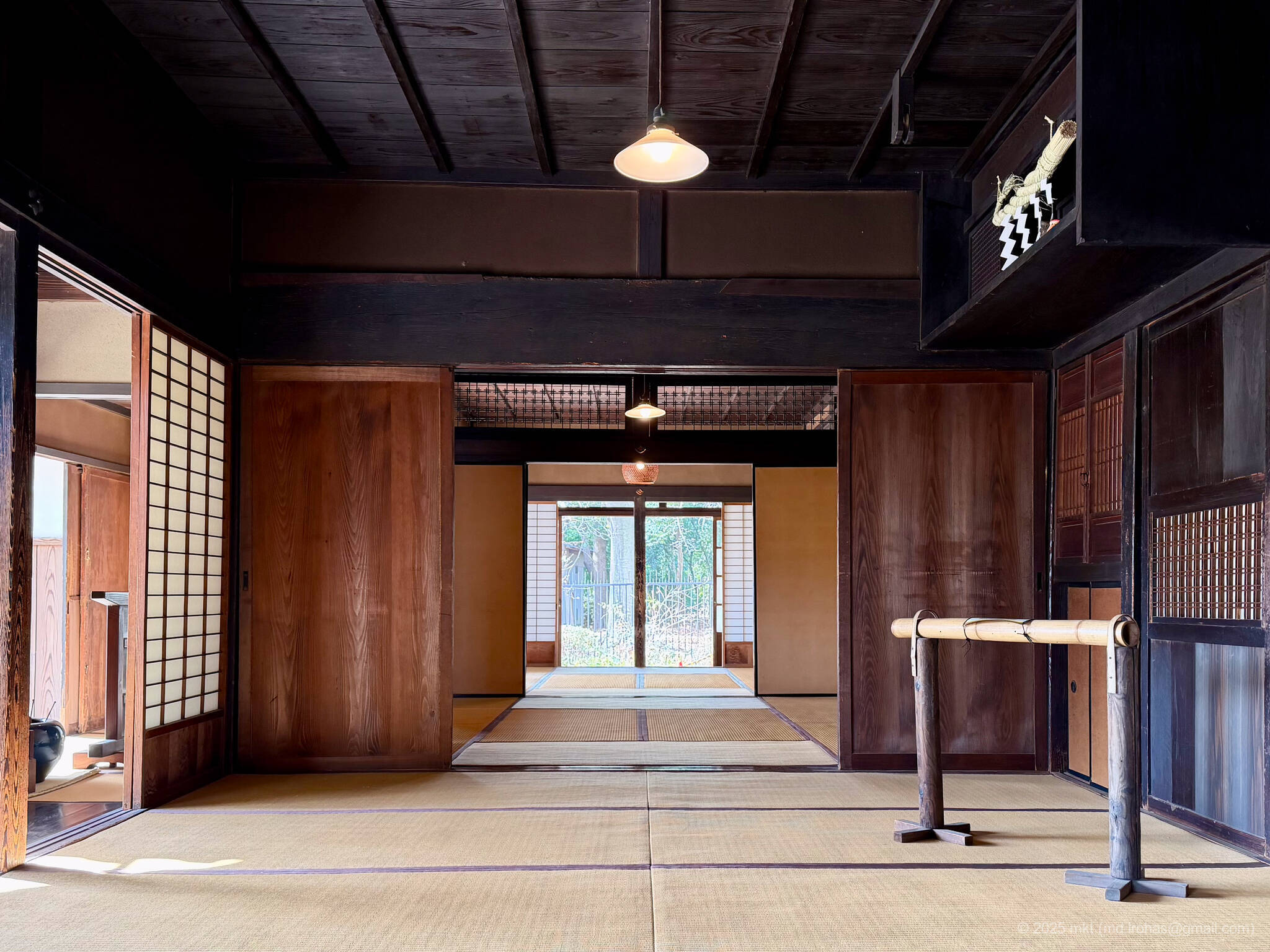
Tsunashima and Yoshino farmhouses. The pillars and earthen floors gave me a strong sense of traditional farmhouse construction.
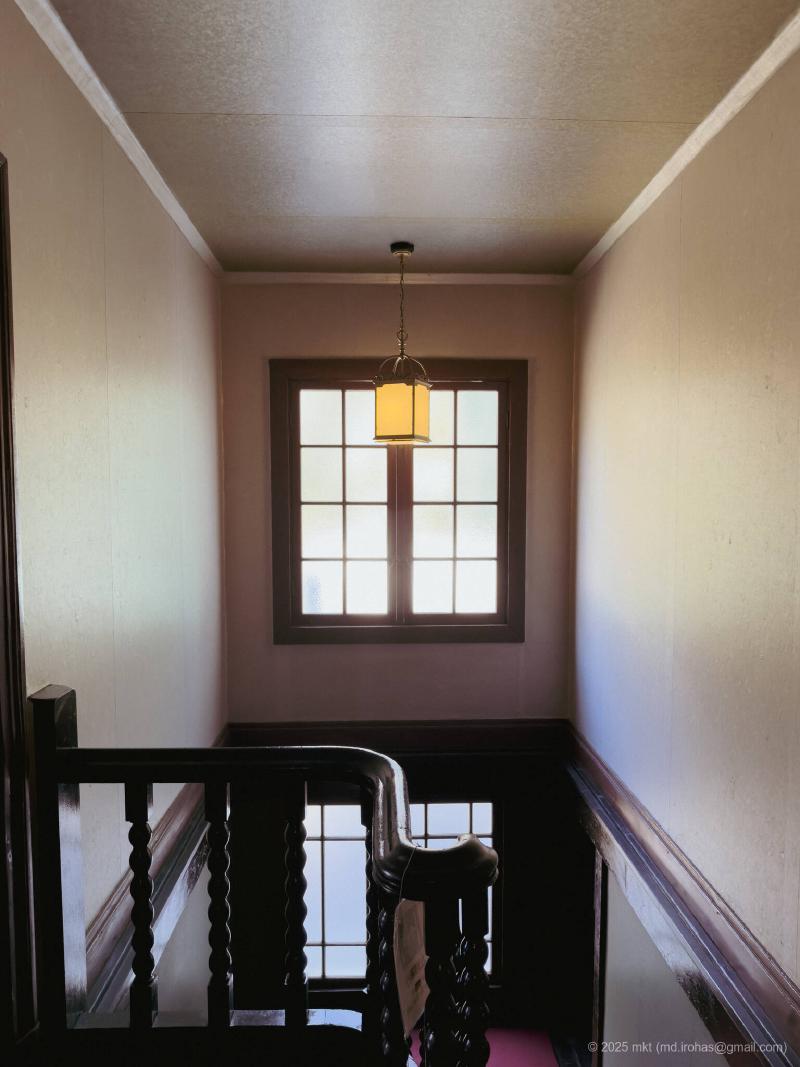
House of de Lalande.
Center Zone #
- Restored Buildings (Center Zone): https://www.tatemonoen.jp/restore/intro/center.php
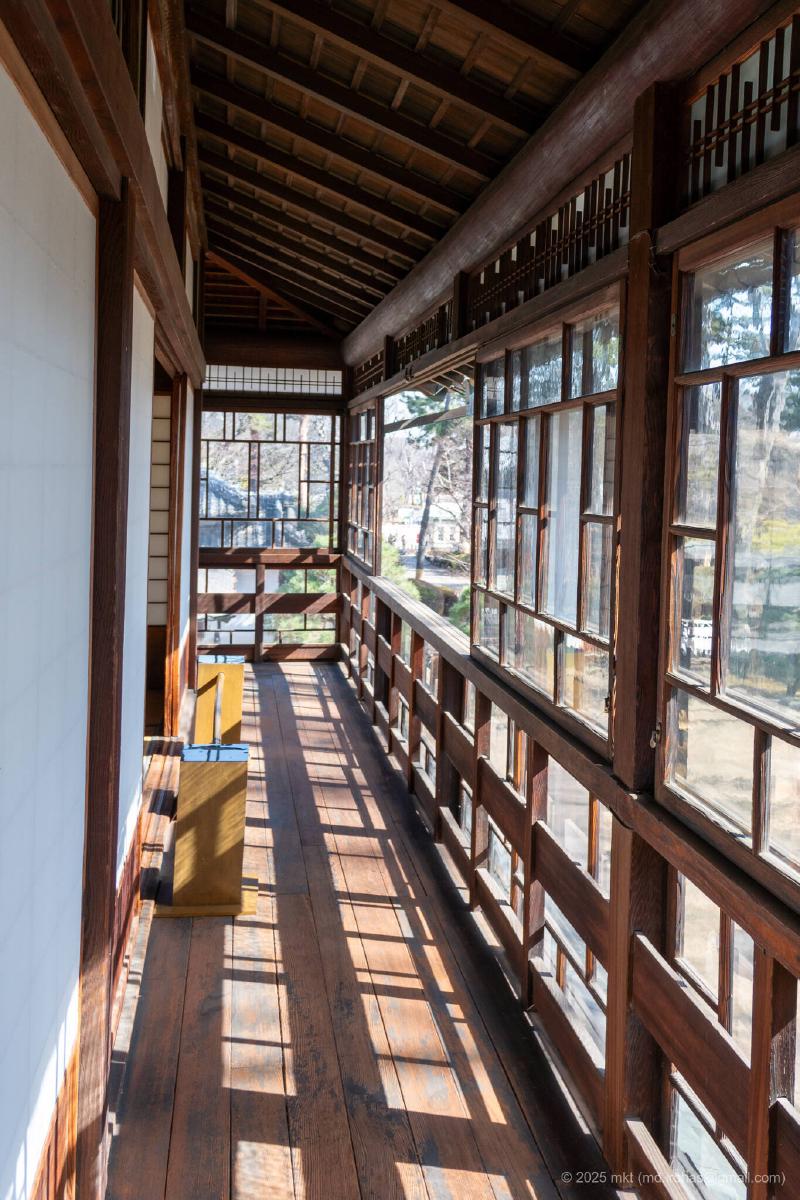
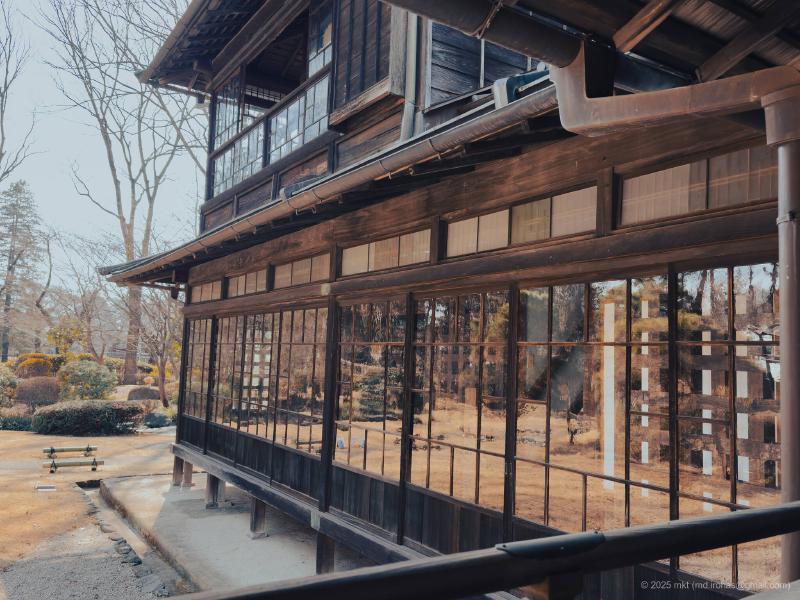
Takahashi Korekiyo Residence. This building was the site of the February 26 Incident (Wikipedia) in 1936.
East Zone #
- Restored Buildings (East Zone): https://www.tatemonoen.jp/restore/intro/east.php
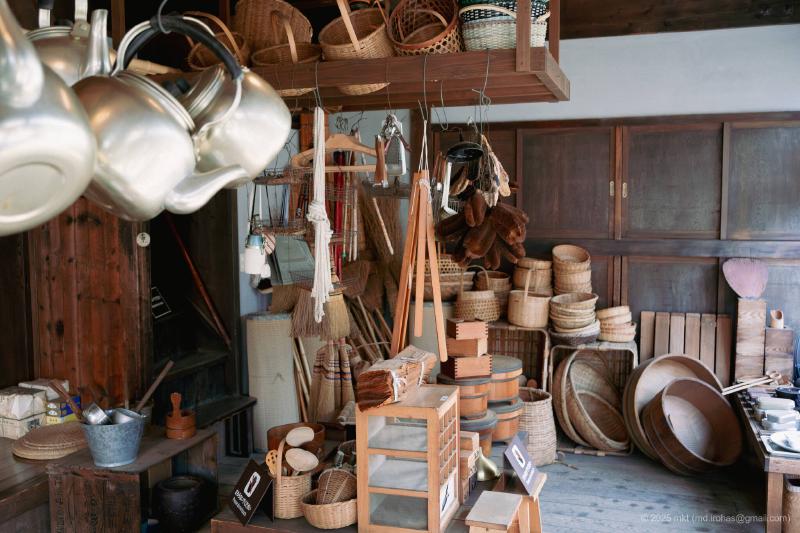
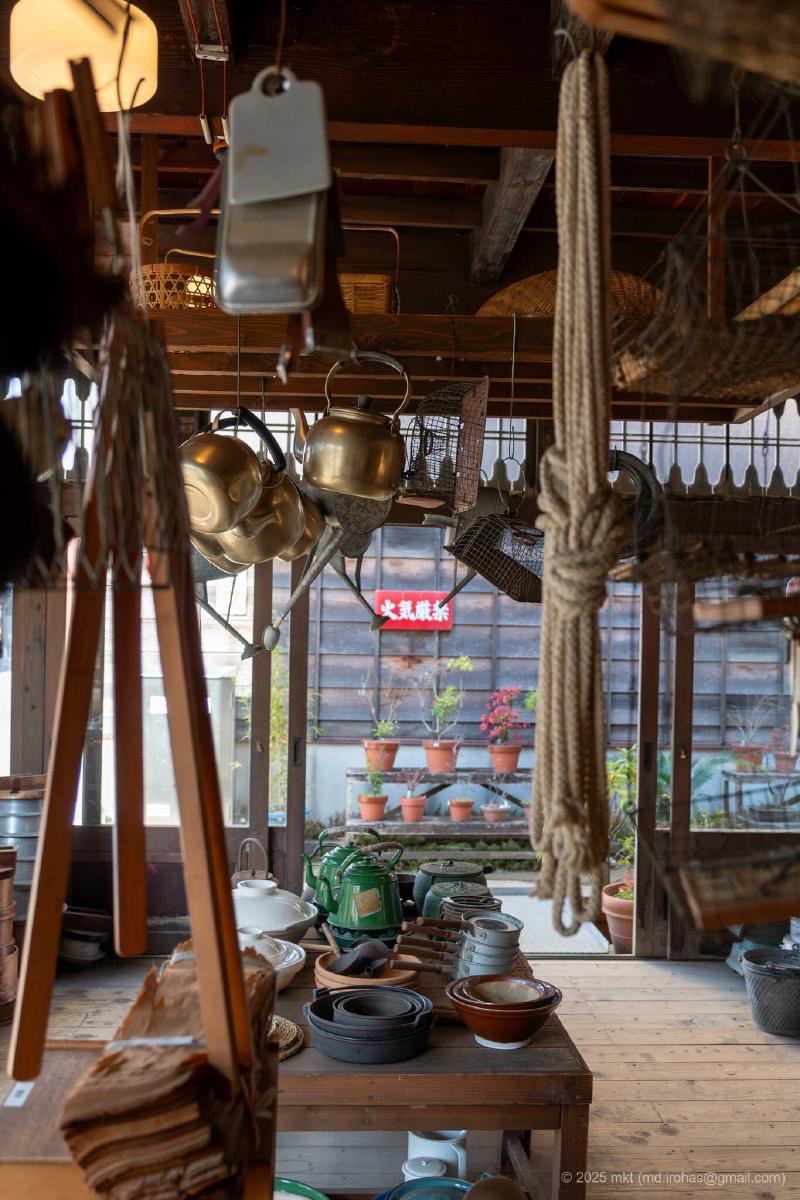
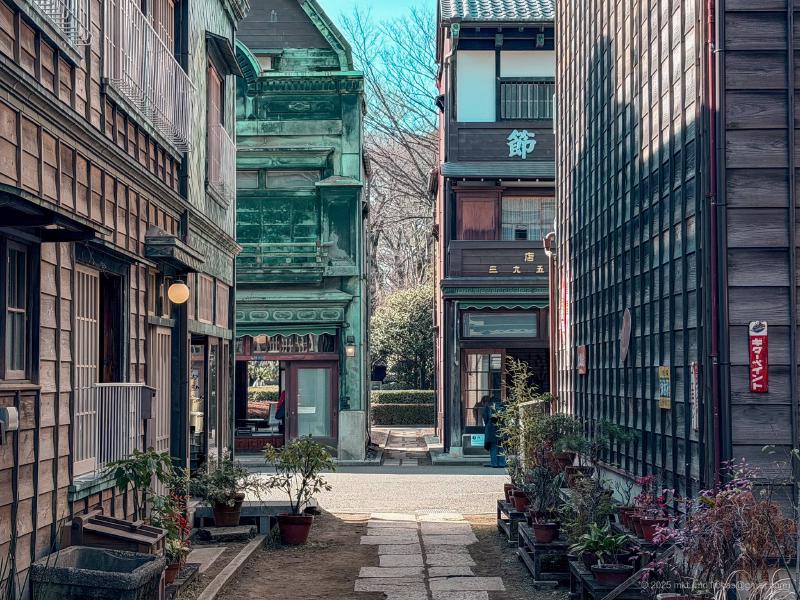
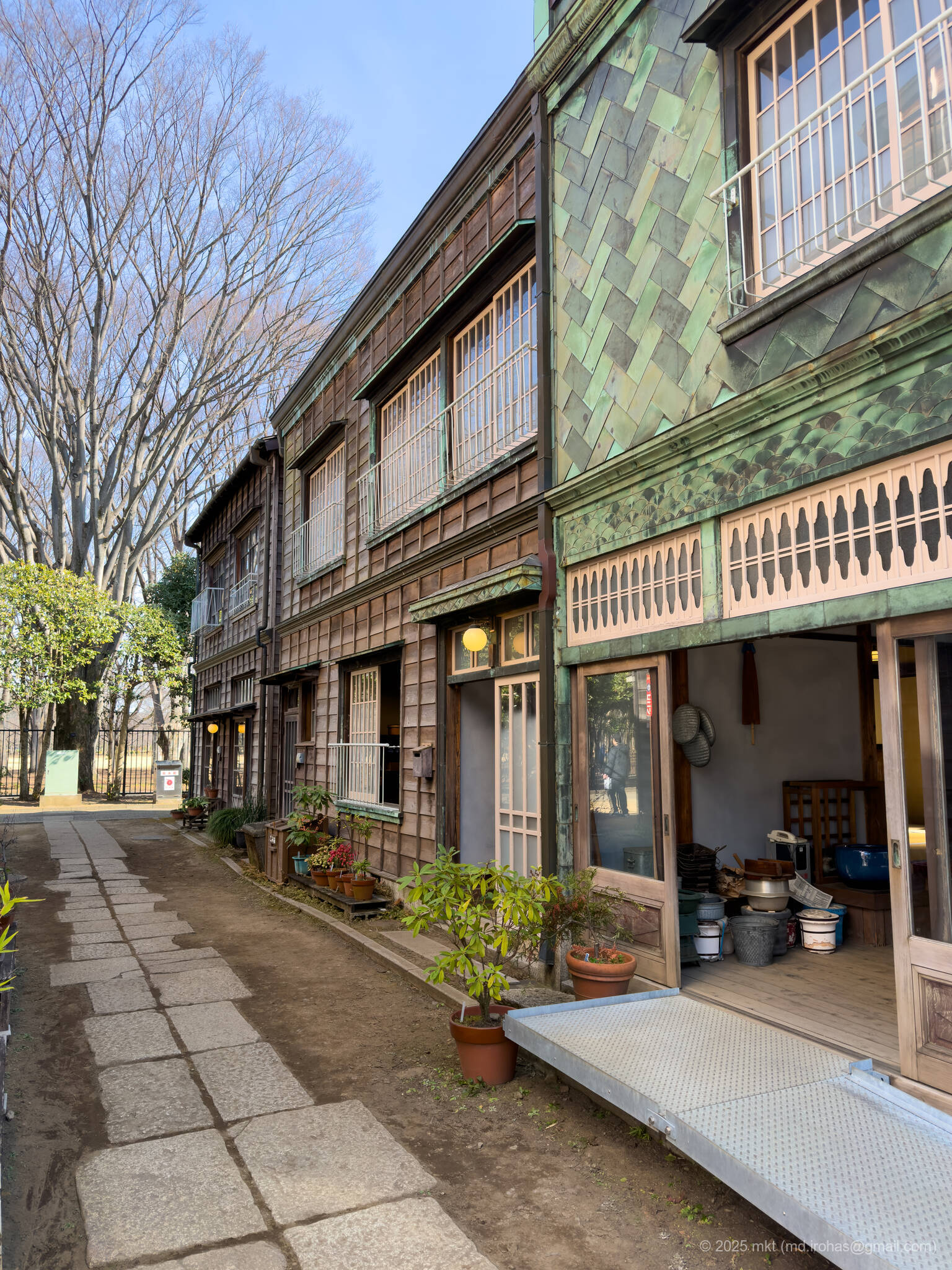
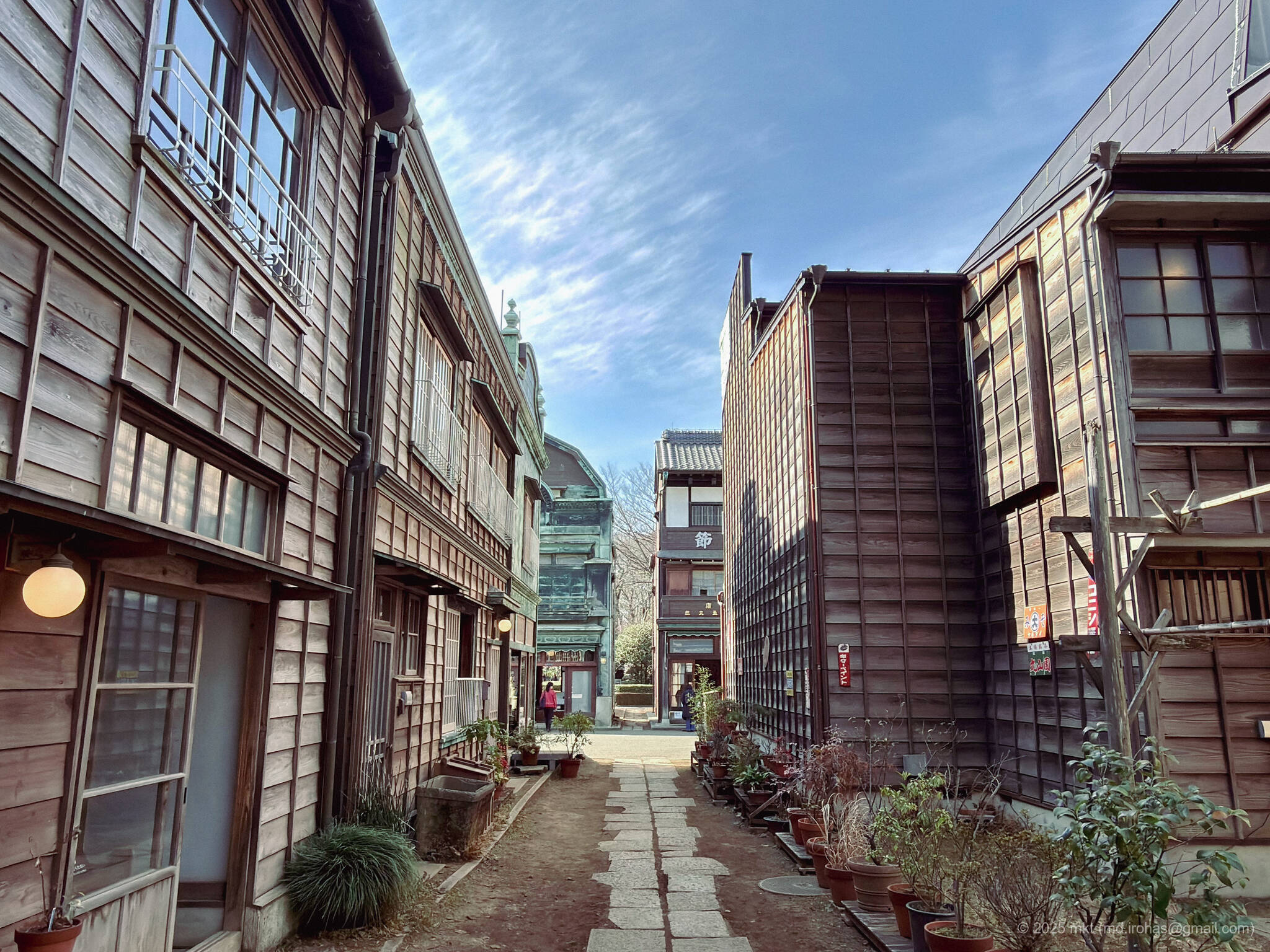
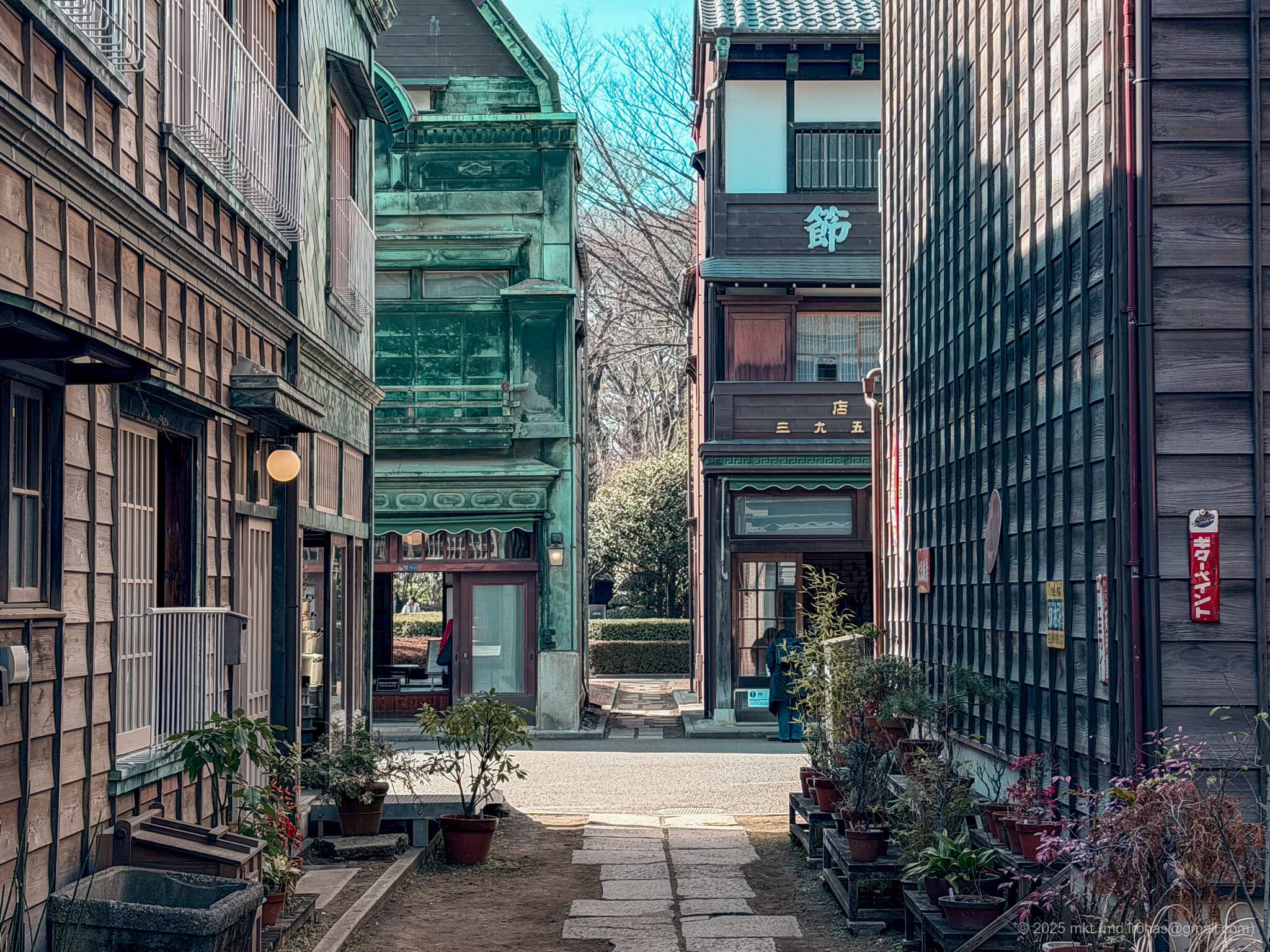
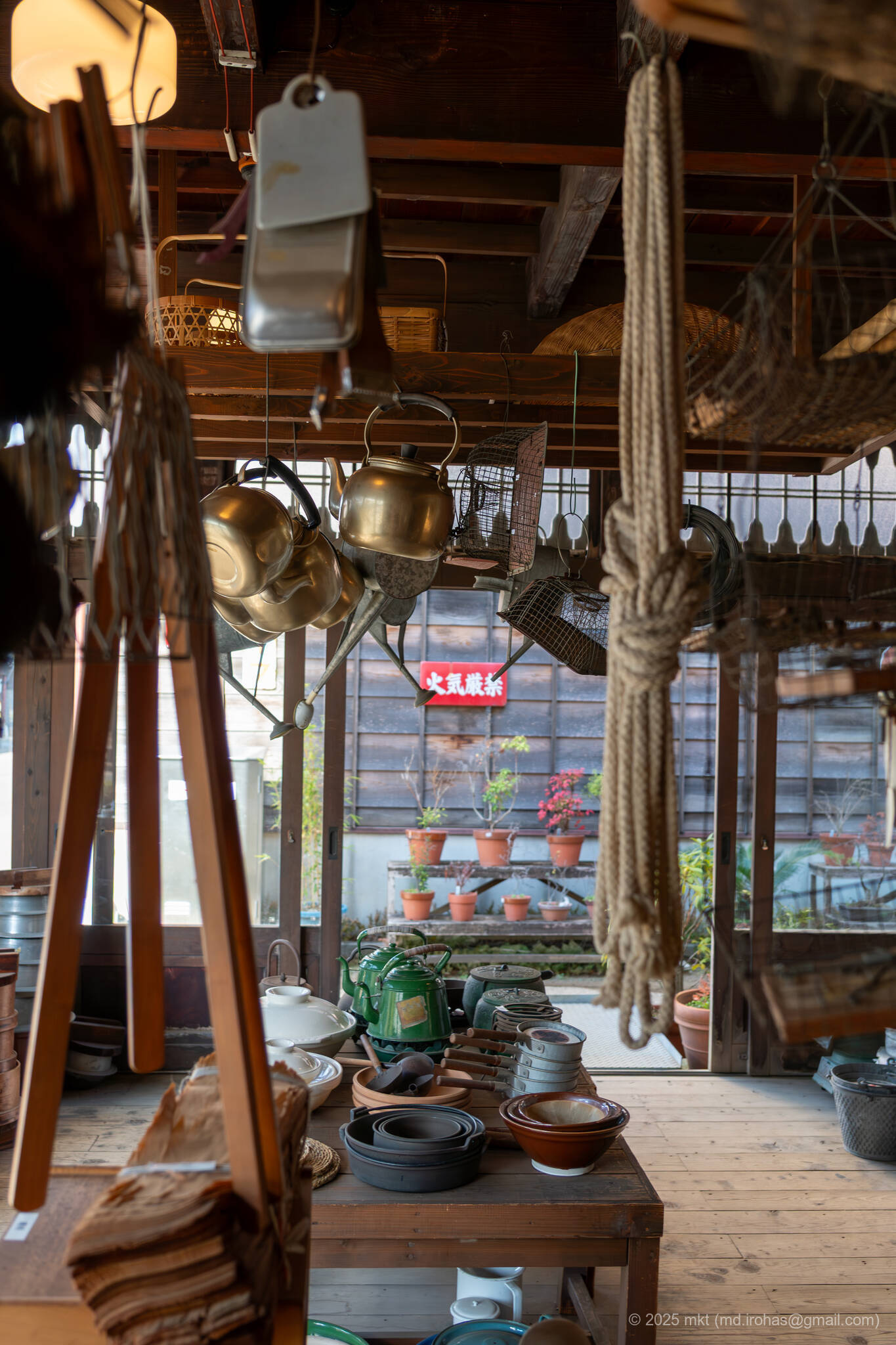
Maruni Shoten (housewares shop). This general-goods shop was built in the early Showa era (early 20th century).
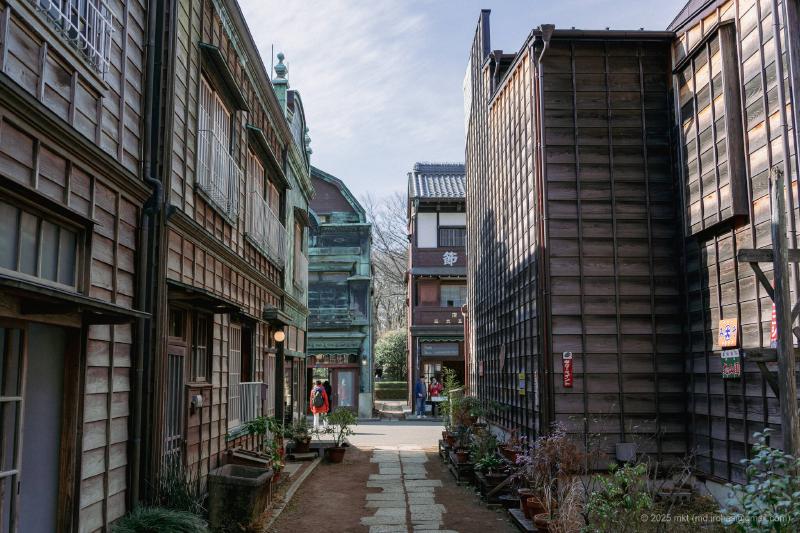
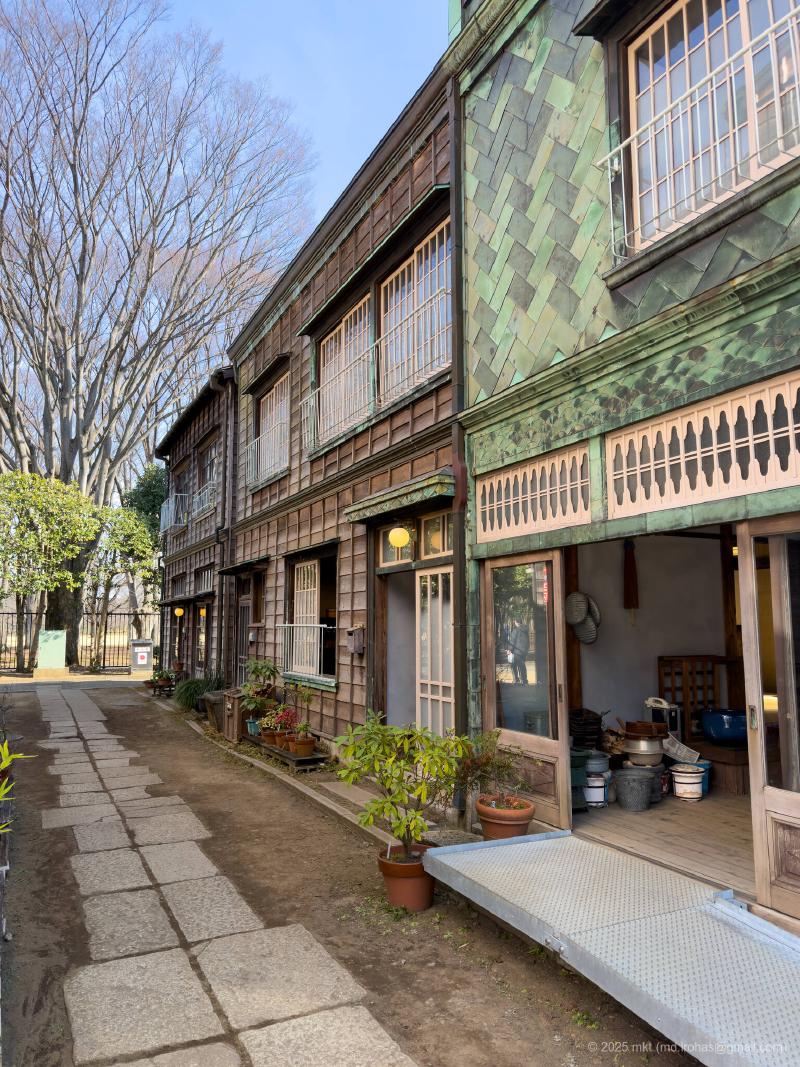
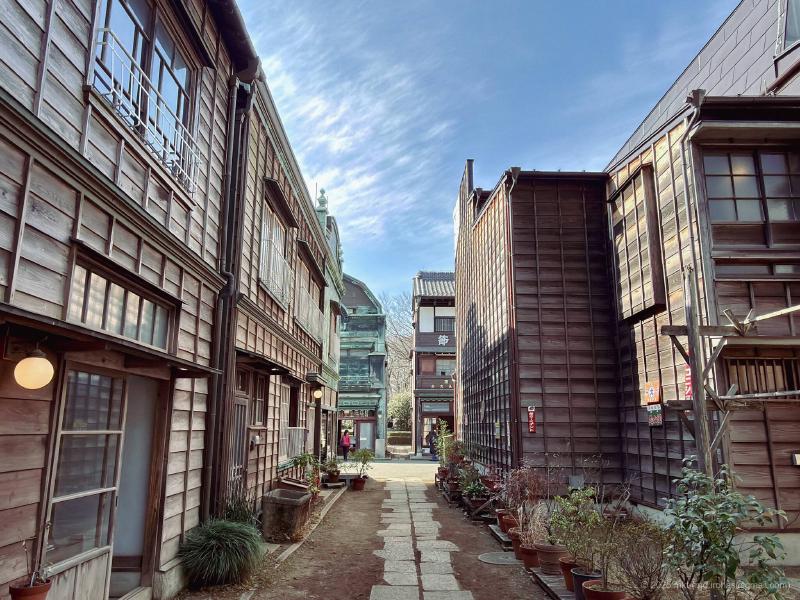
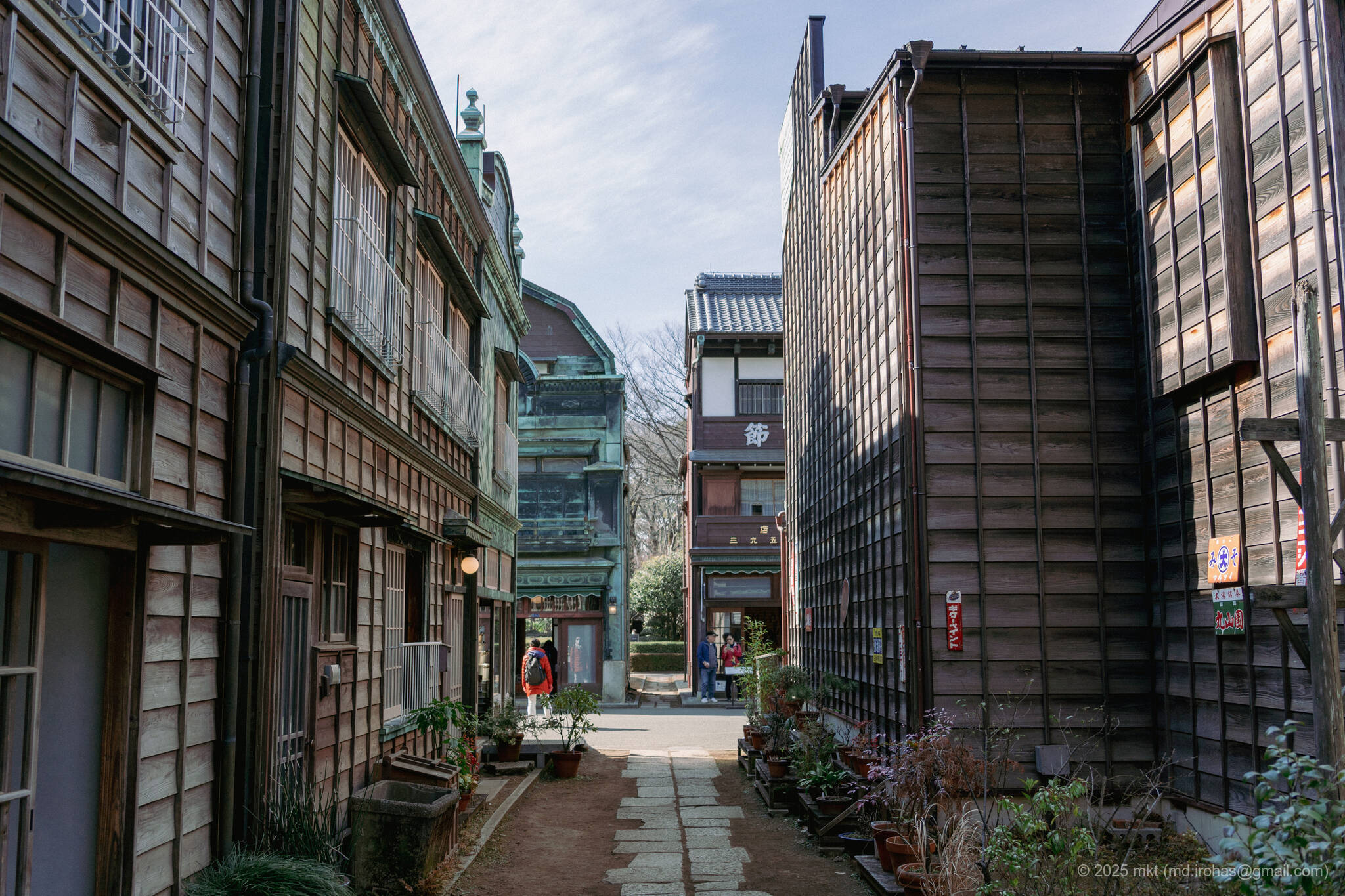
The row-house street behind Maruni Shoten.
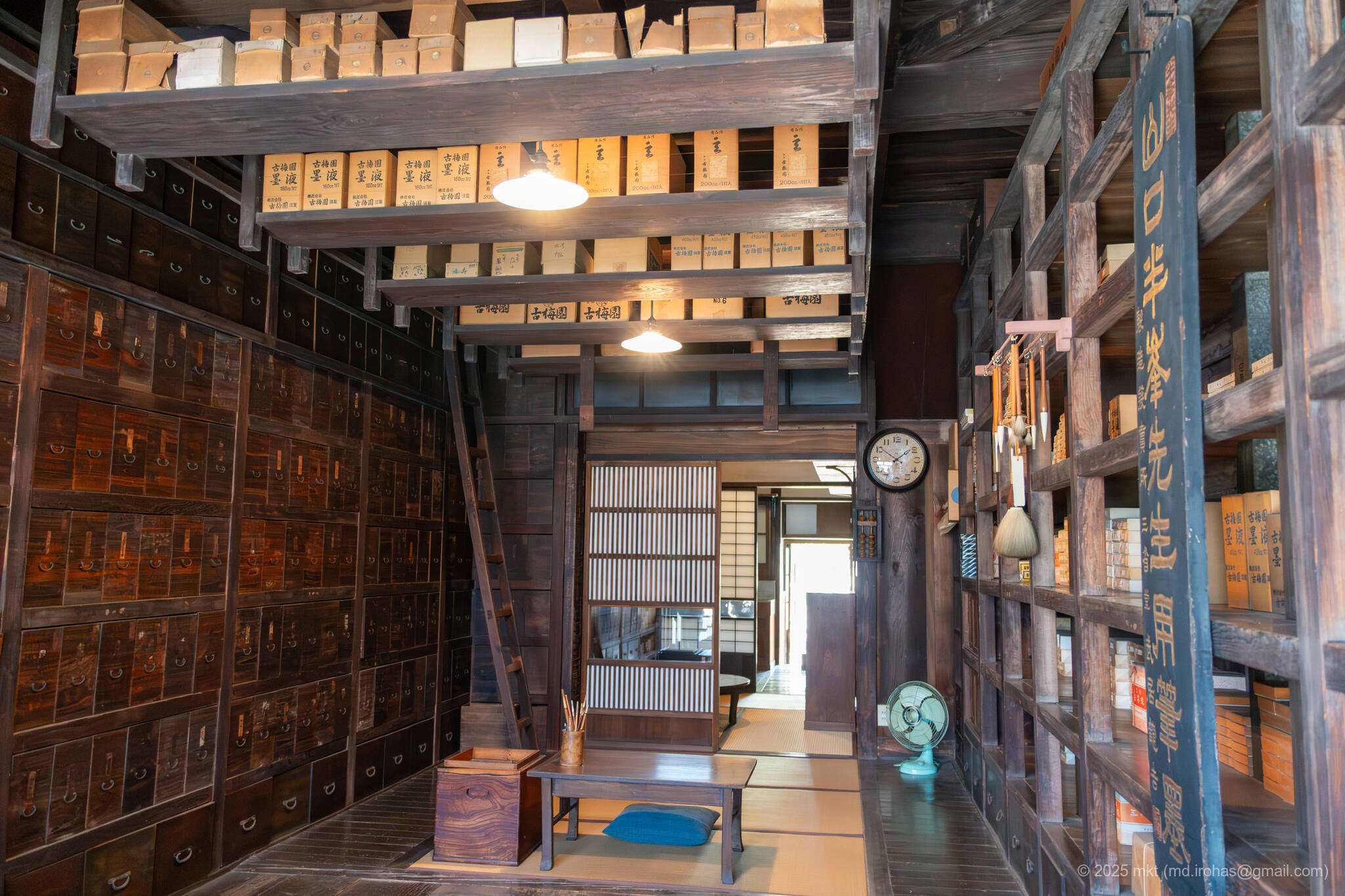
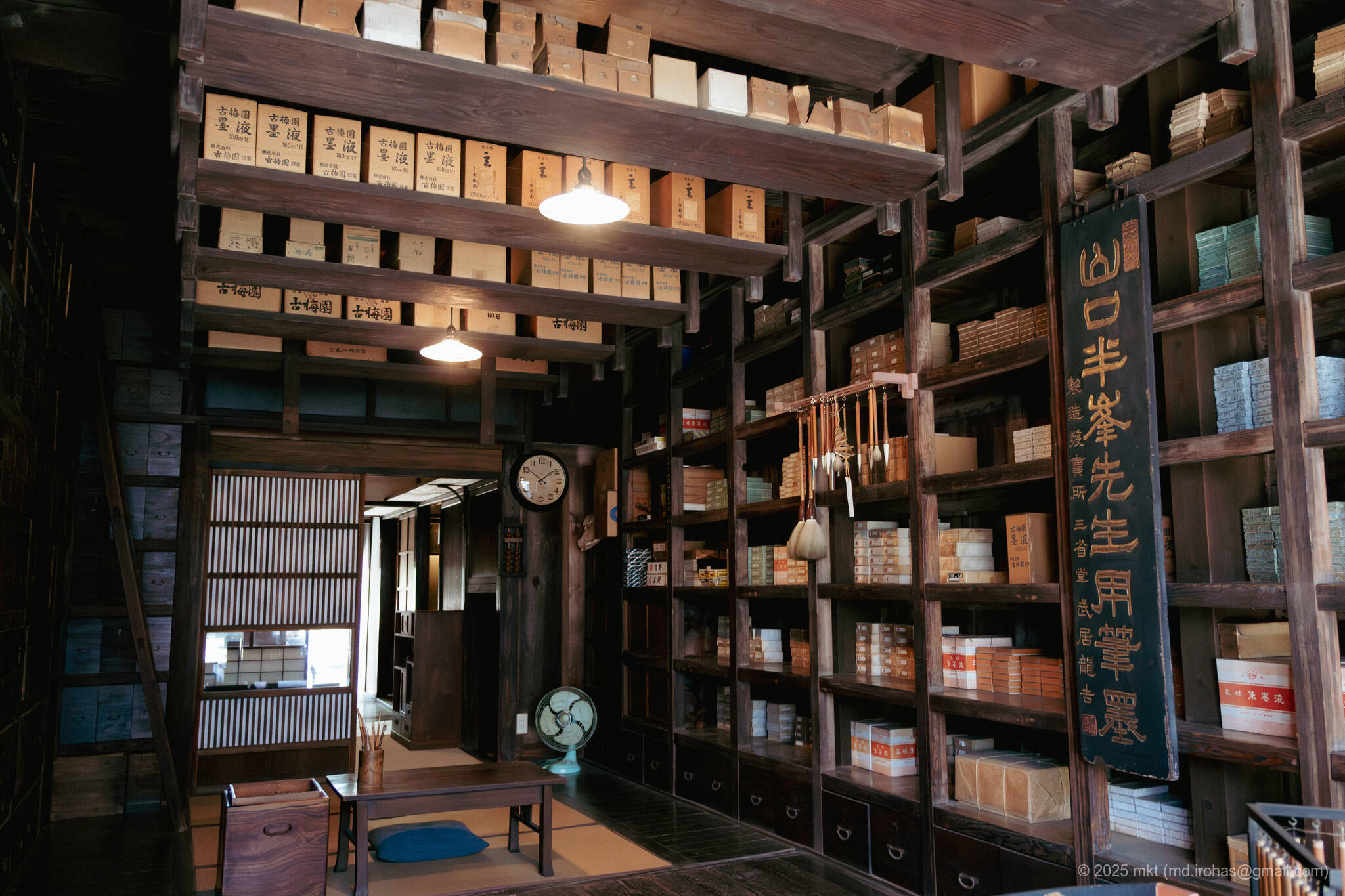
Takei Sanshodo (stationery store). It was founded in the early Meiji era (late 19th century). I liked the atmosphere created by the wall-to-wall shelves.
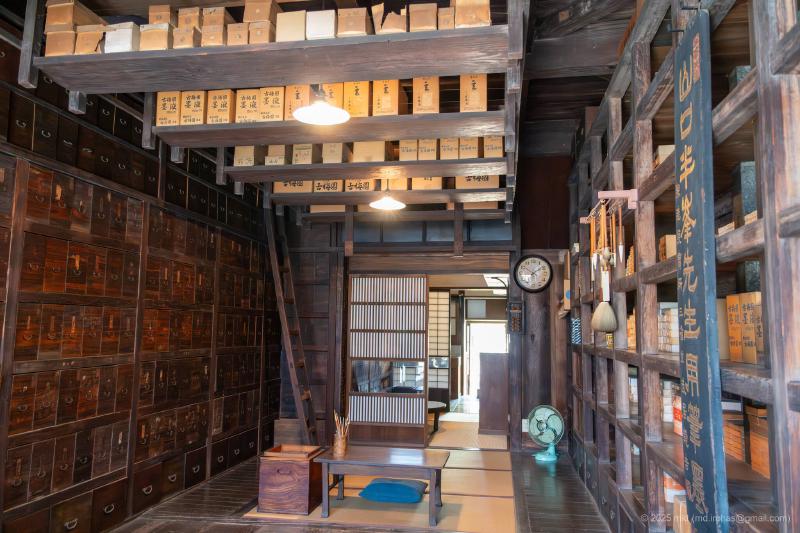
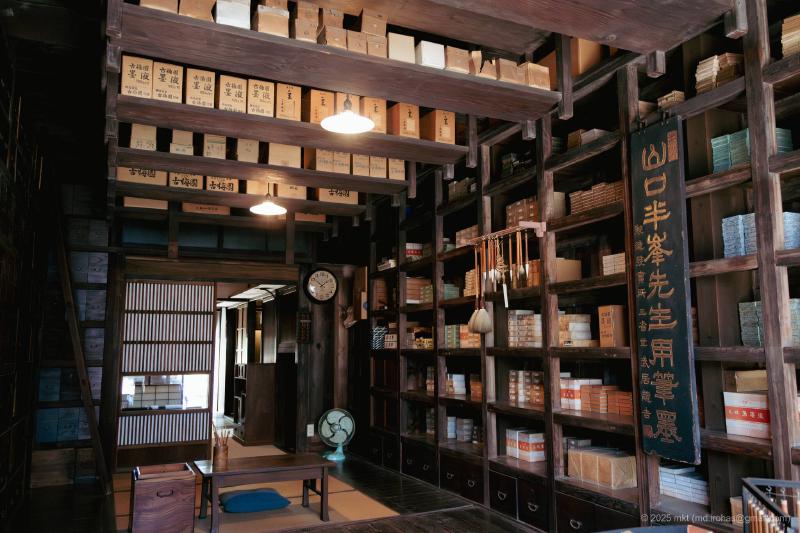
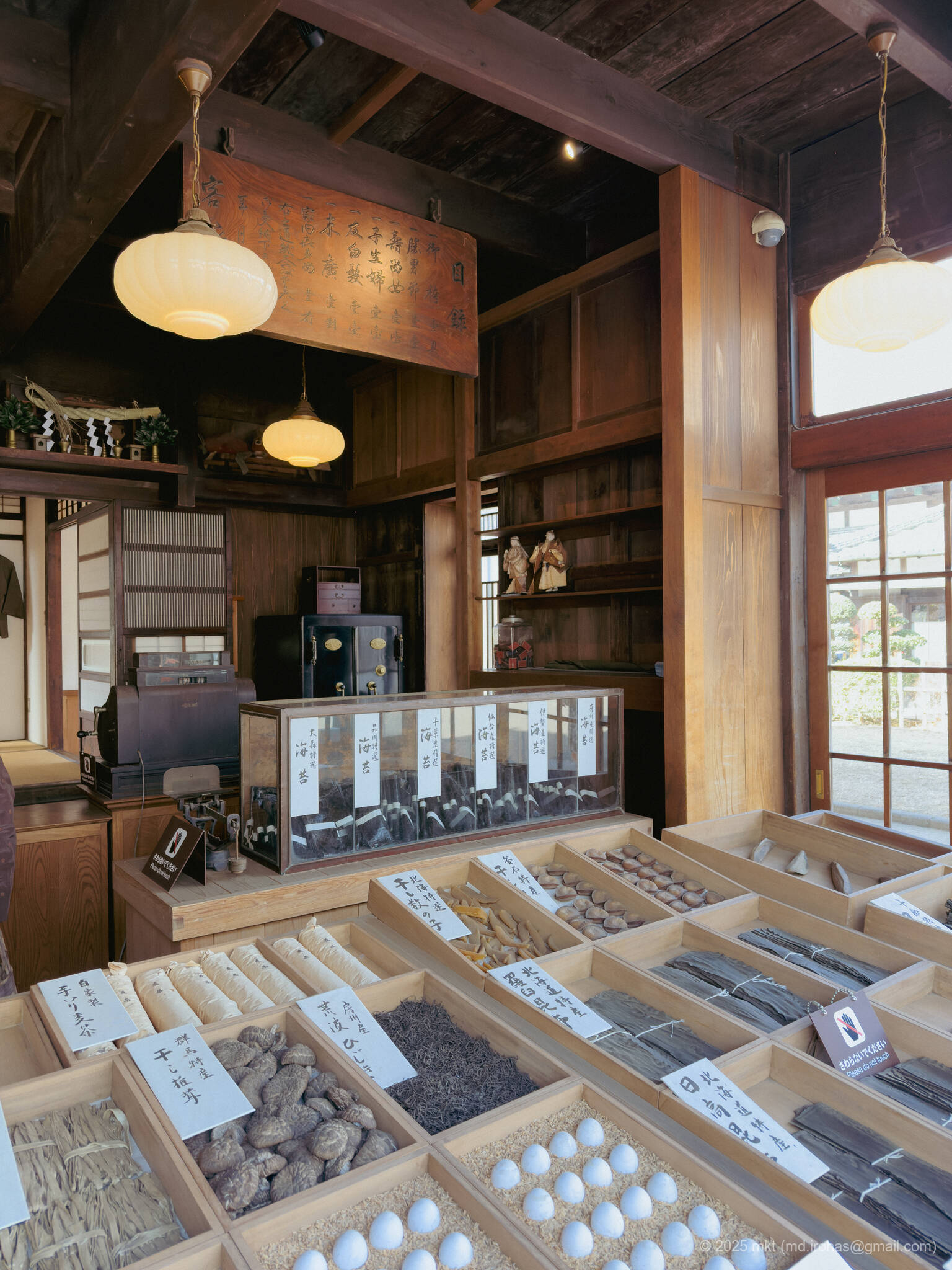
Yamatoya Main Store (dried-goods shop). This shop was built in the early Showa era (early 20th century).
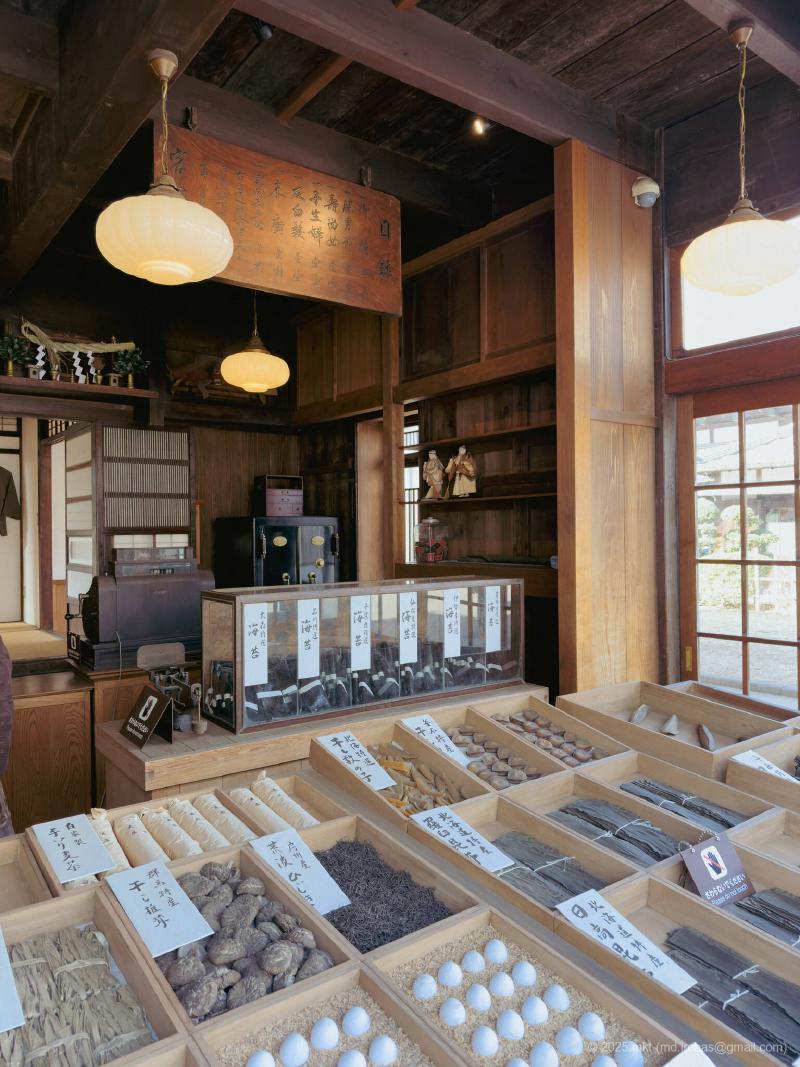
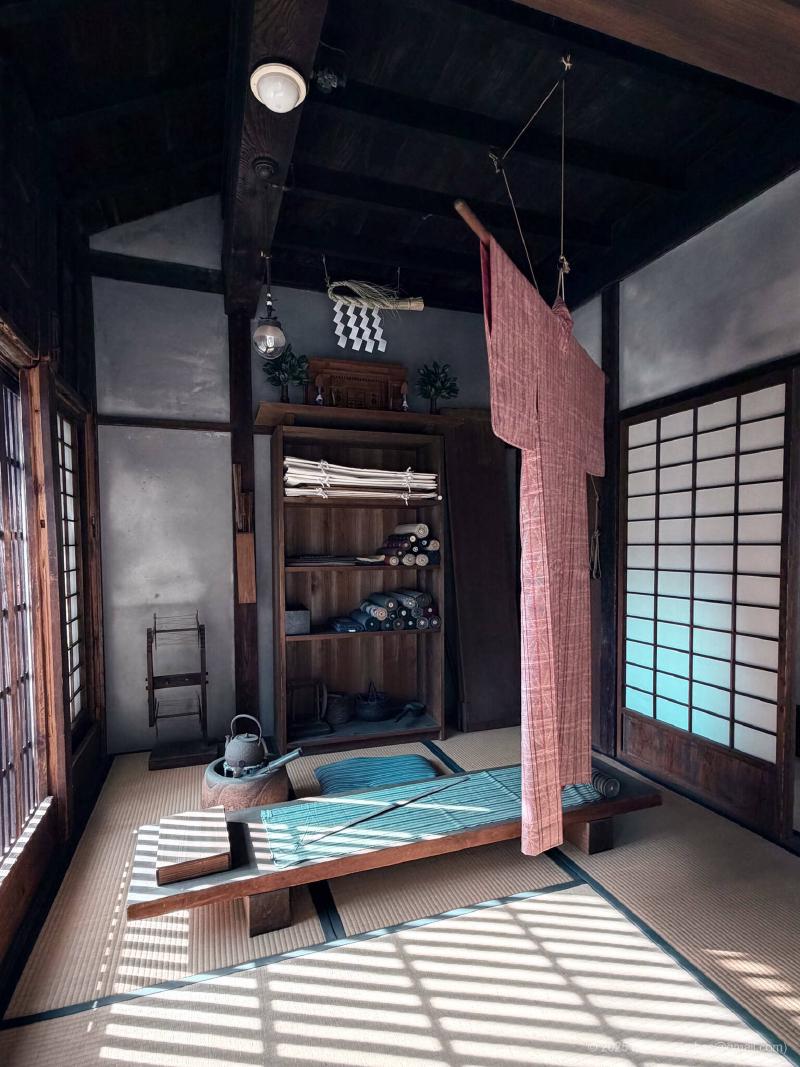
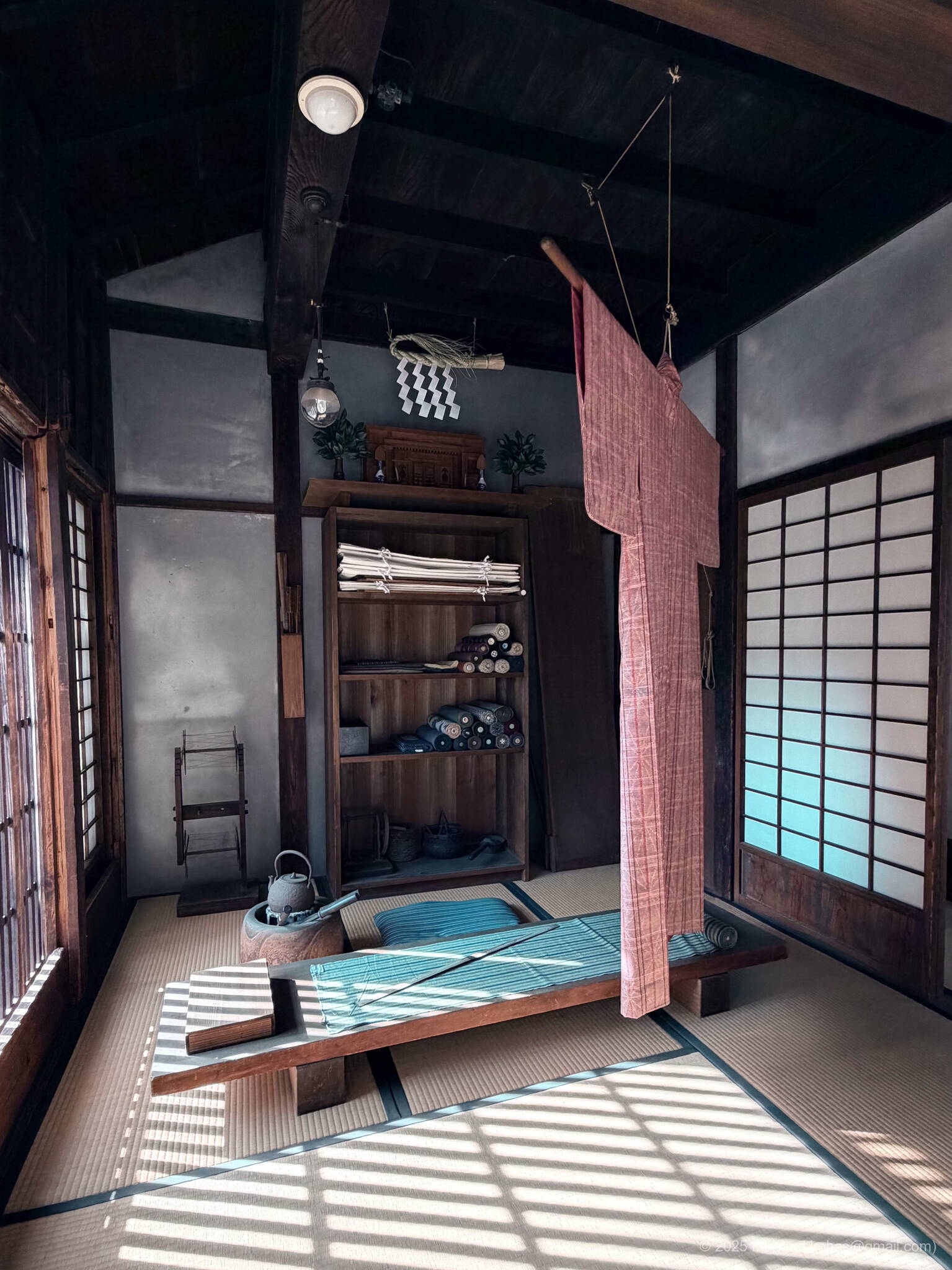
Tailor Shop. This town house was built in the early Meiji era (late 19th century).
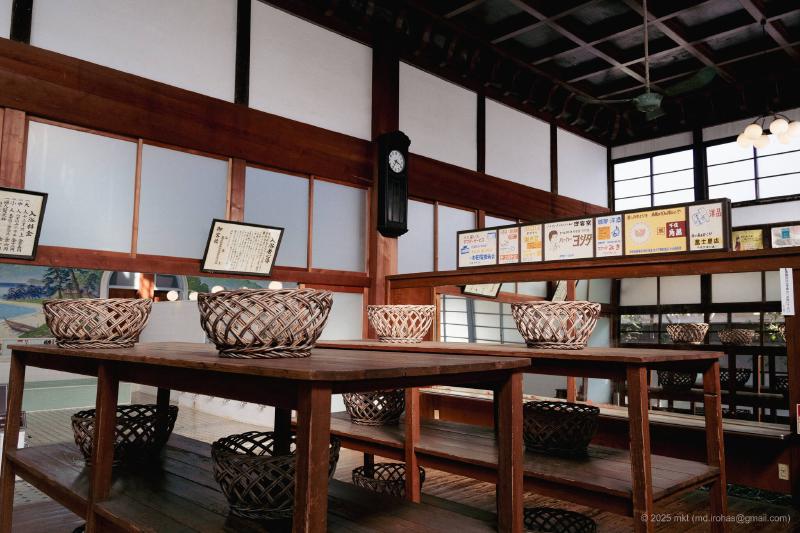
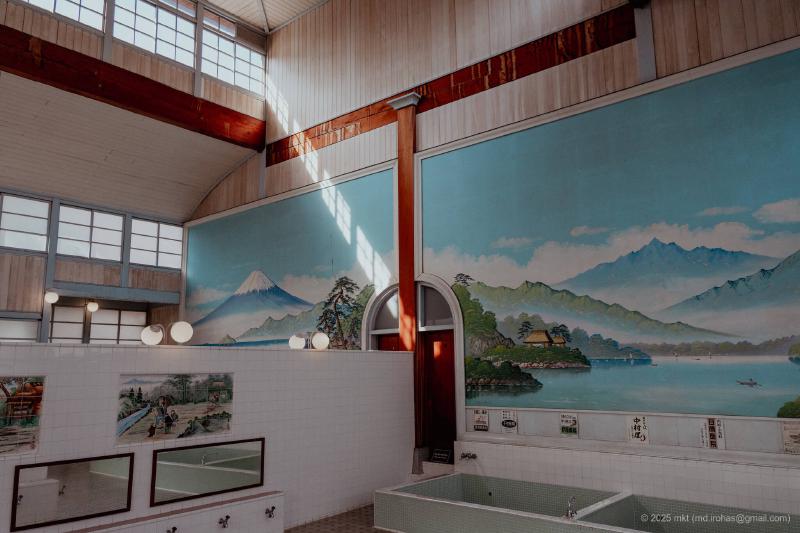
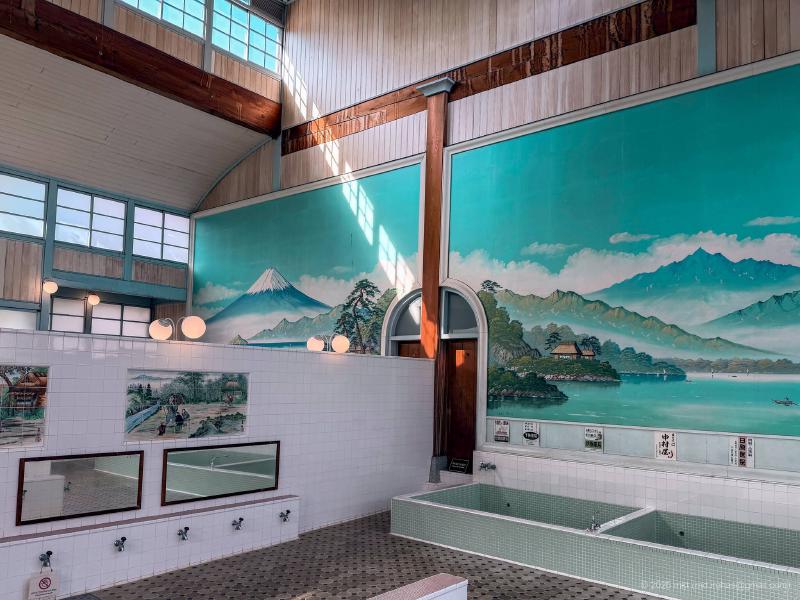
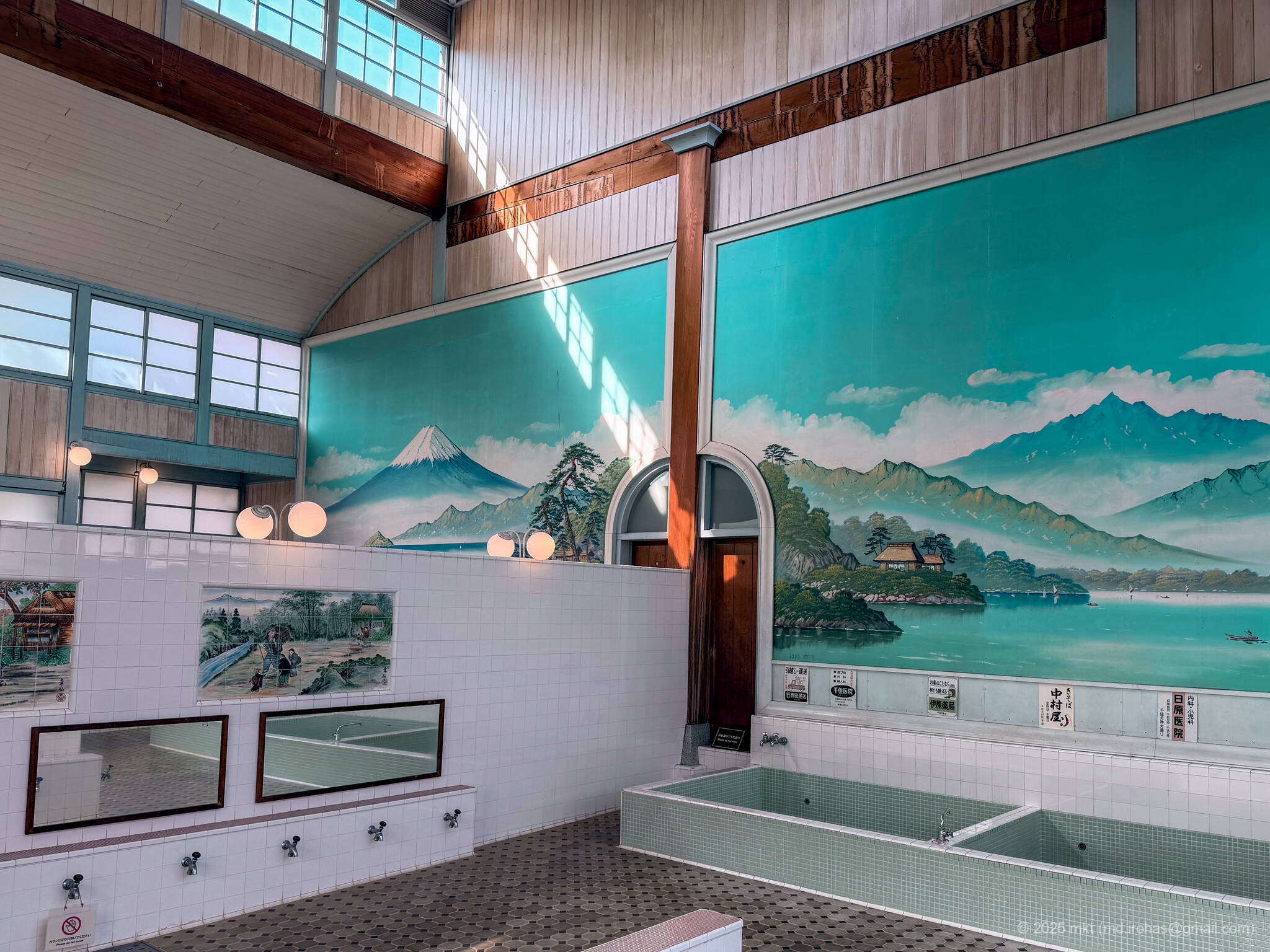
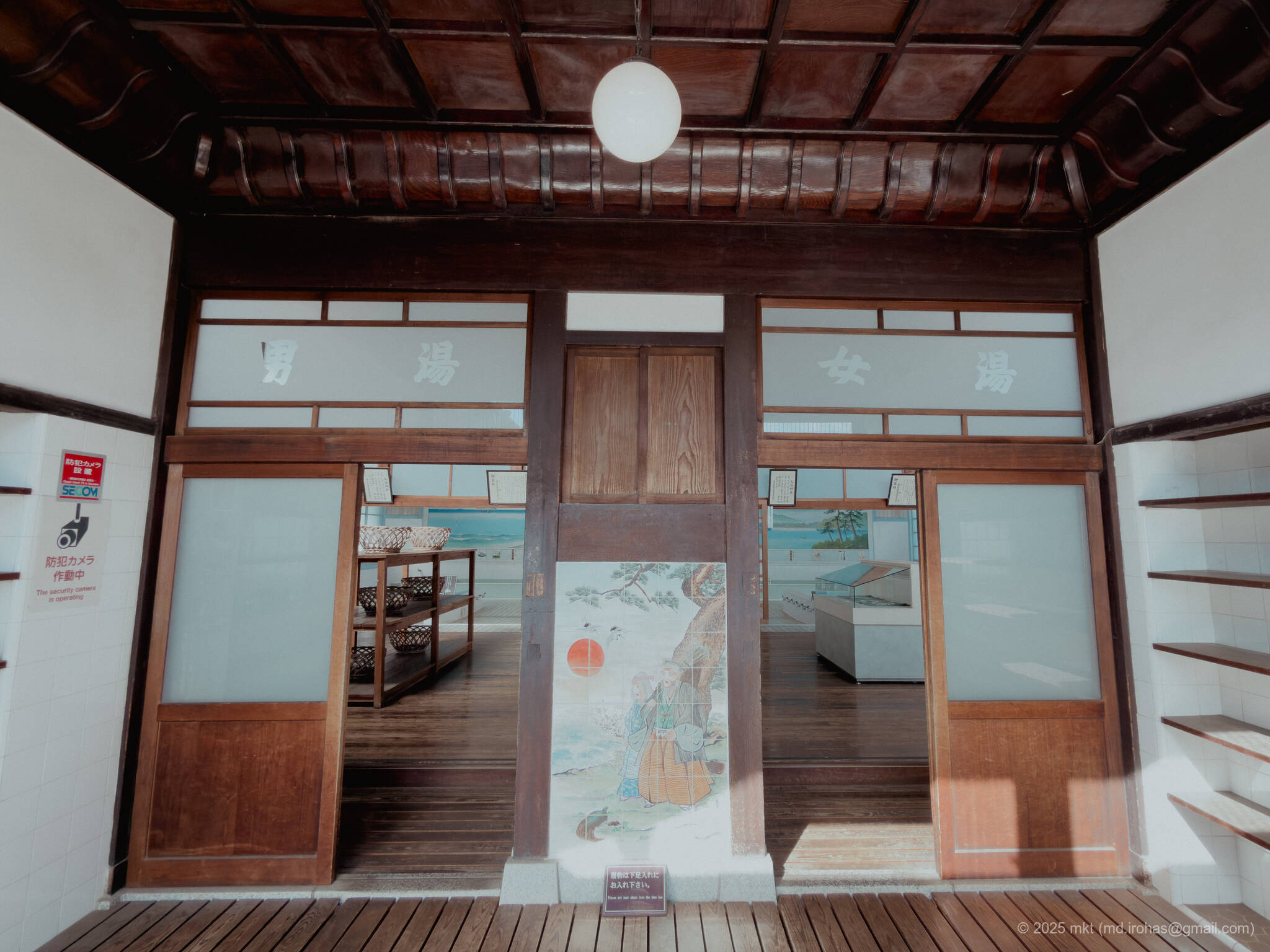
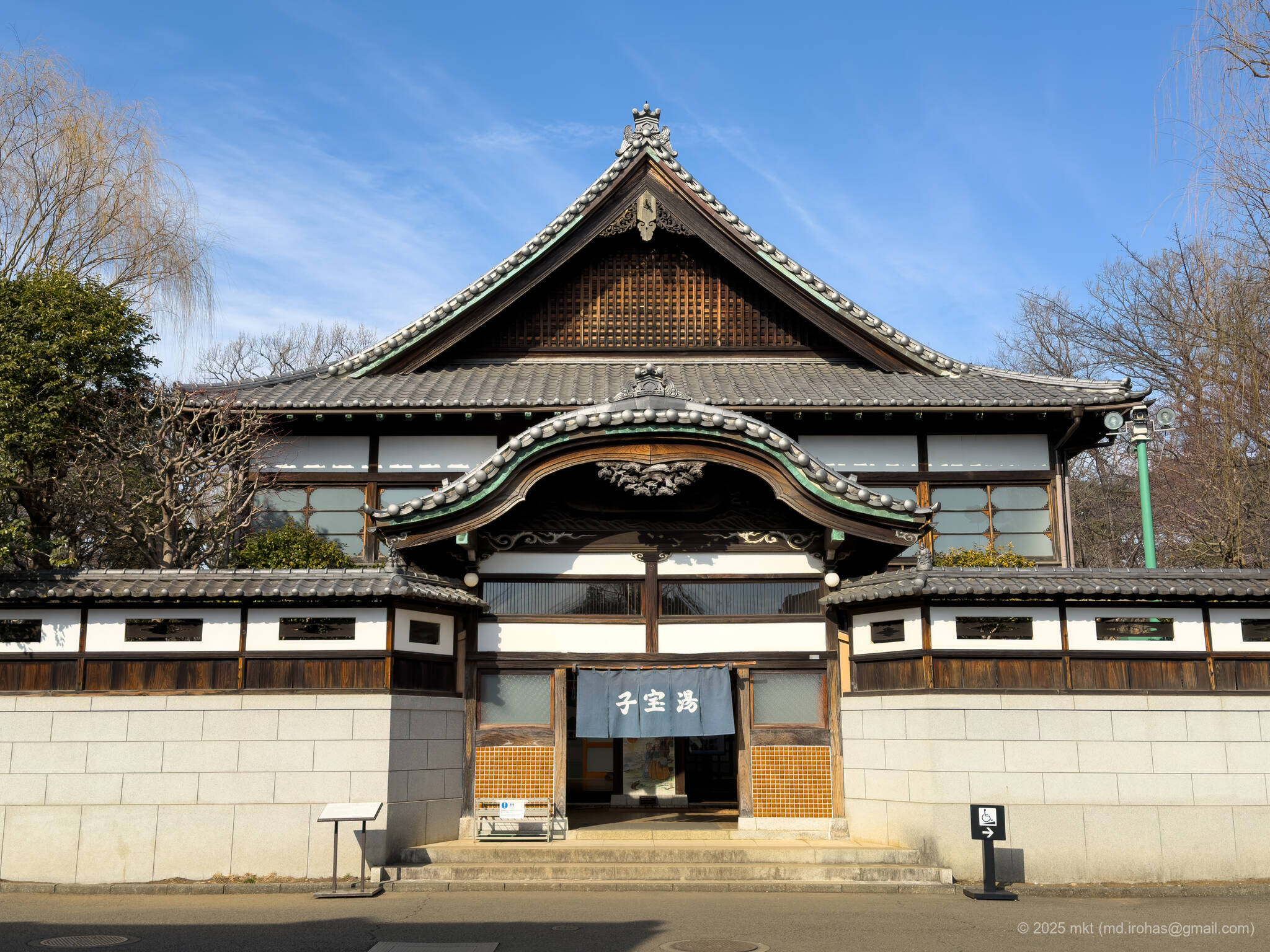
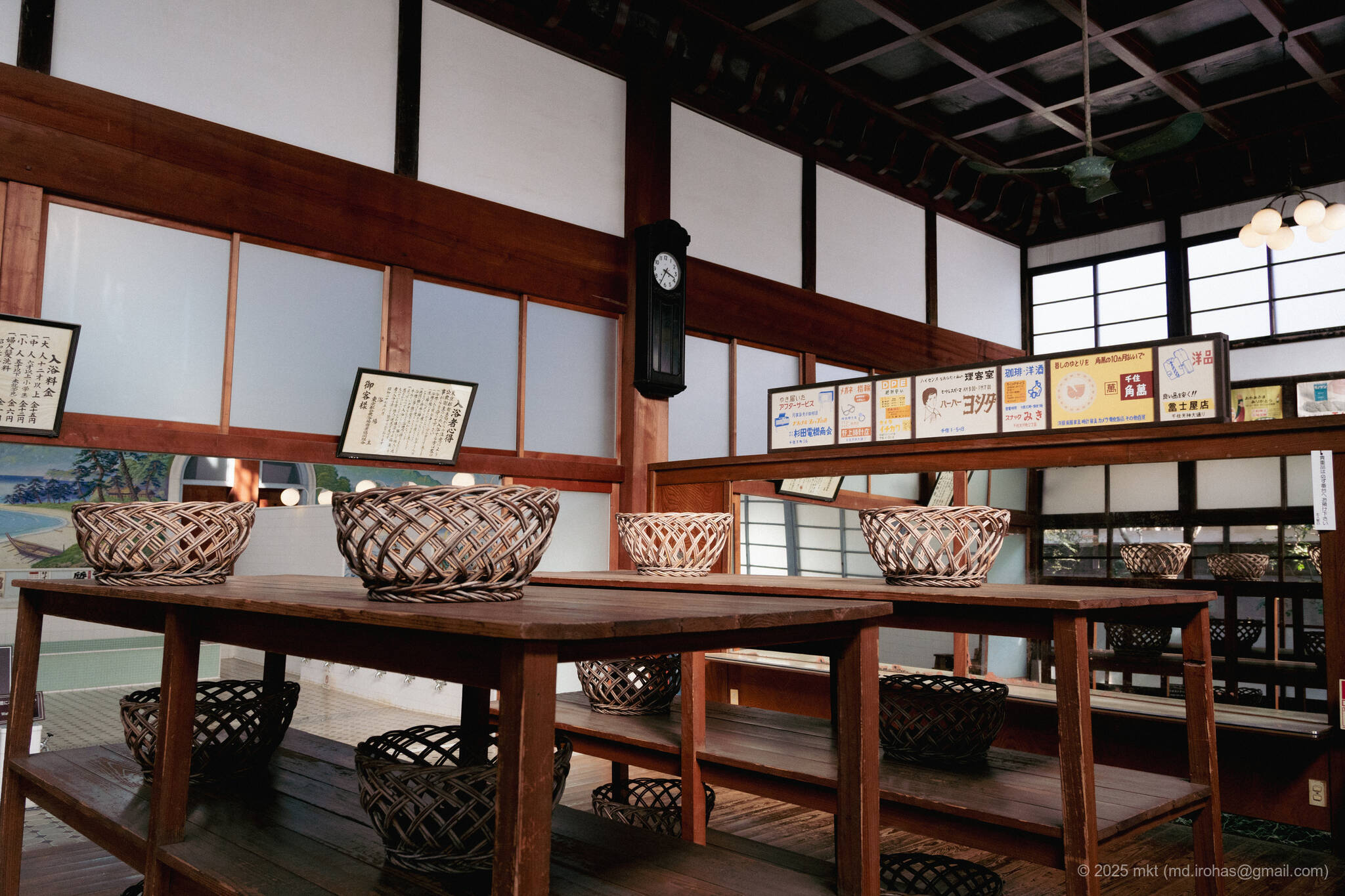
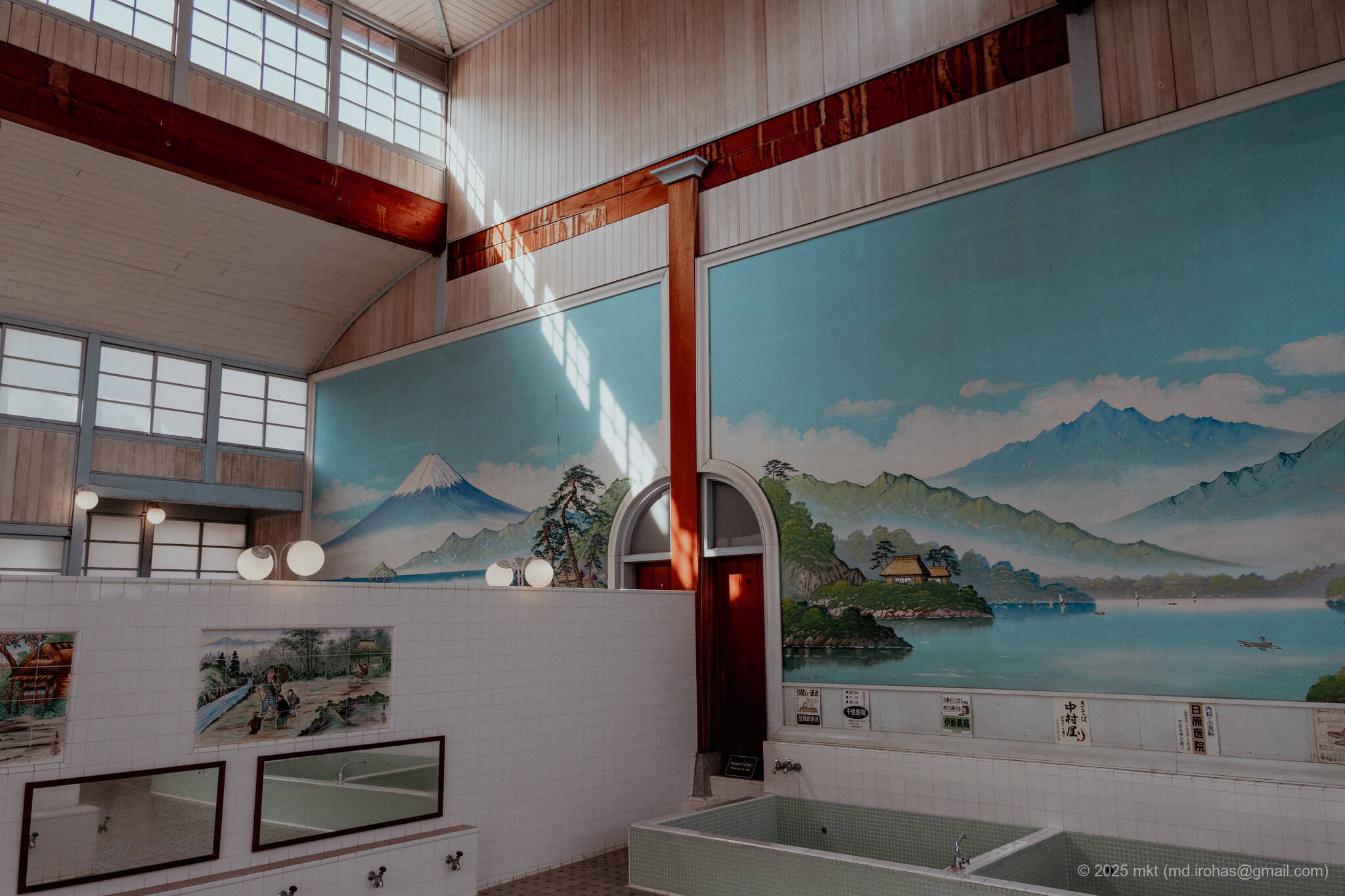
Kodakara-yu. This public bathhouse was built in the early Showa era (early 20th century).
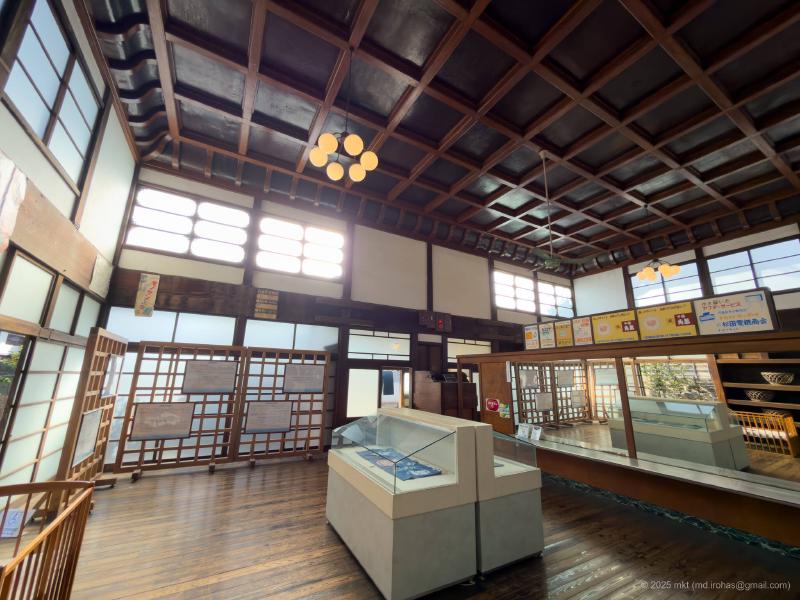
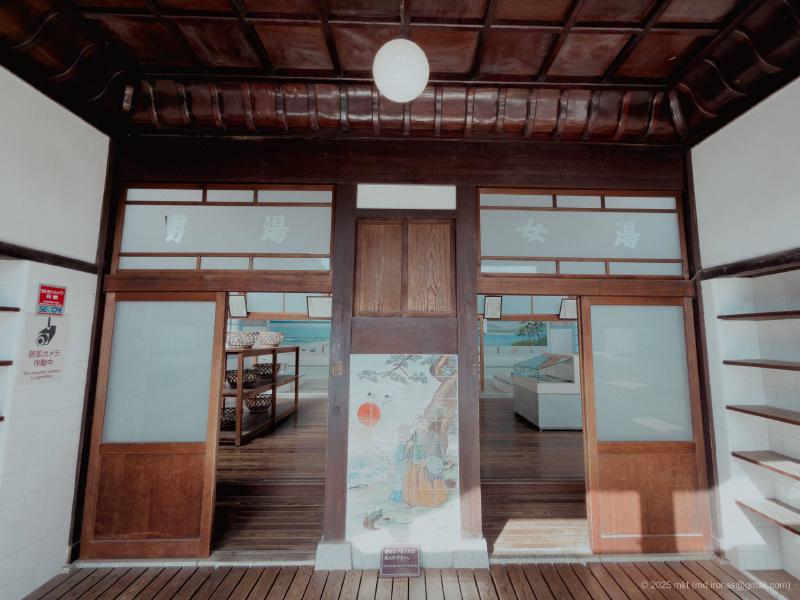
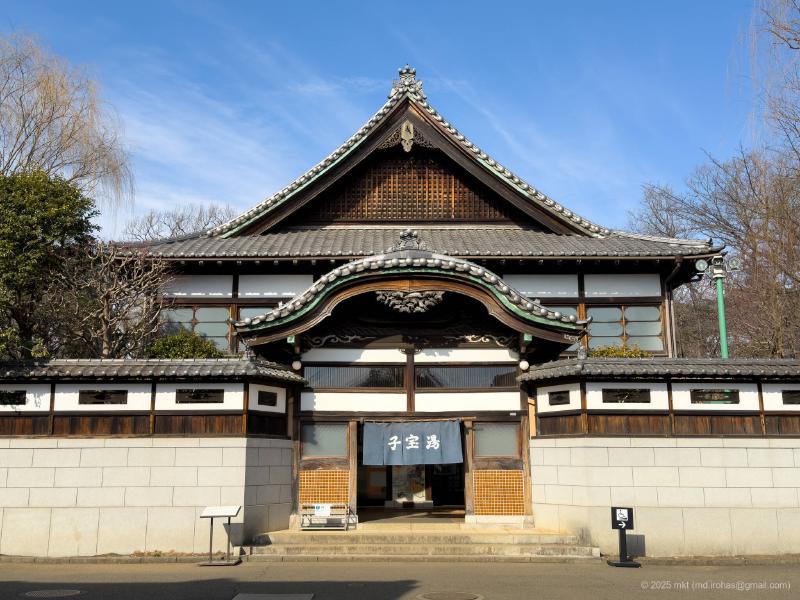
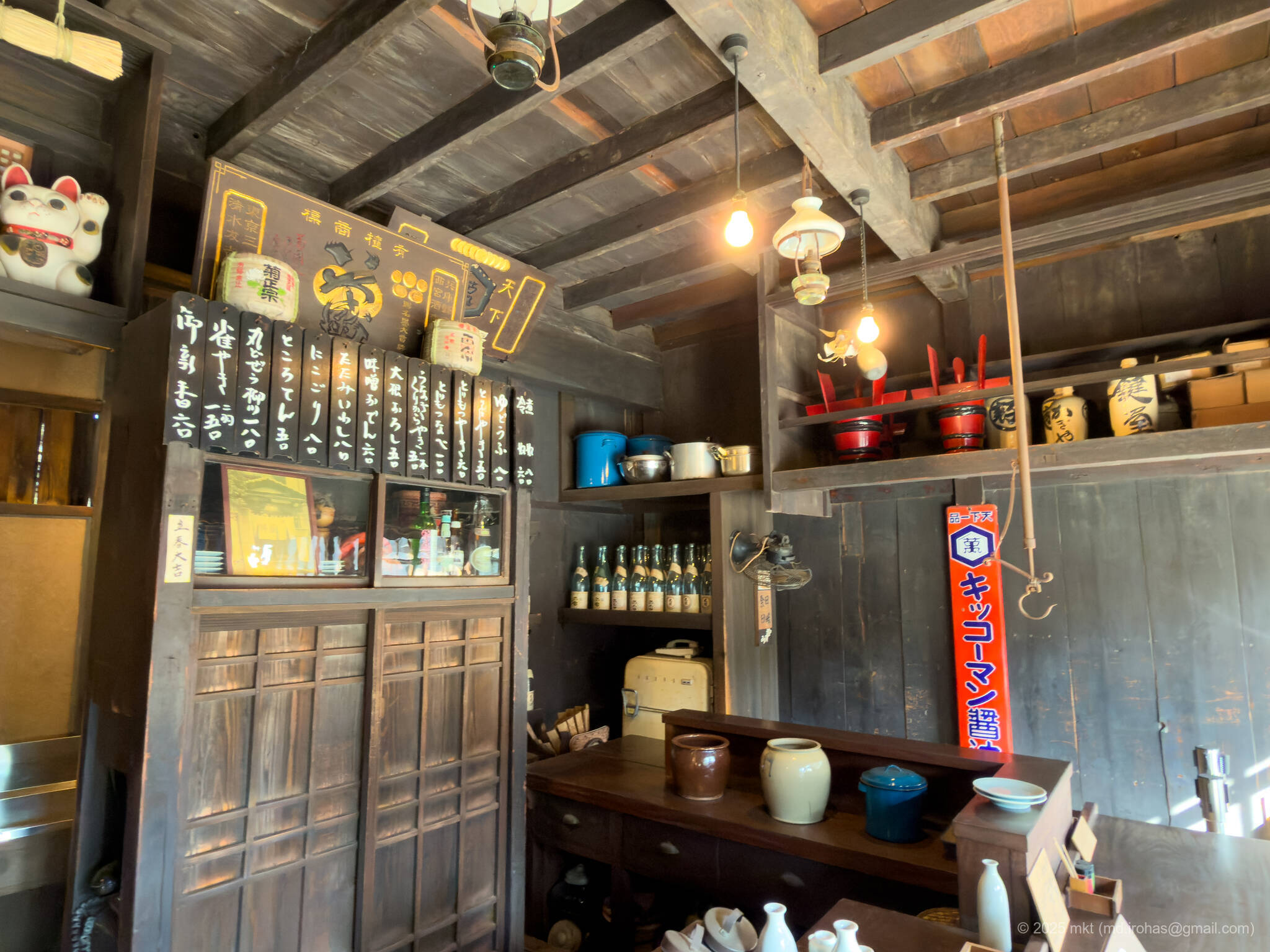
Kagiya (izakaya). This izakaya (a Japanese-style pub) was built in the late Edo period.
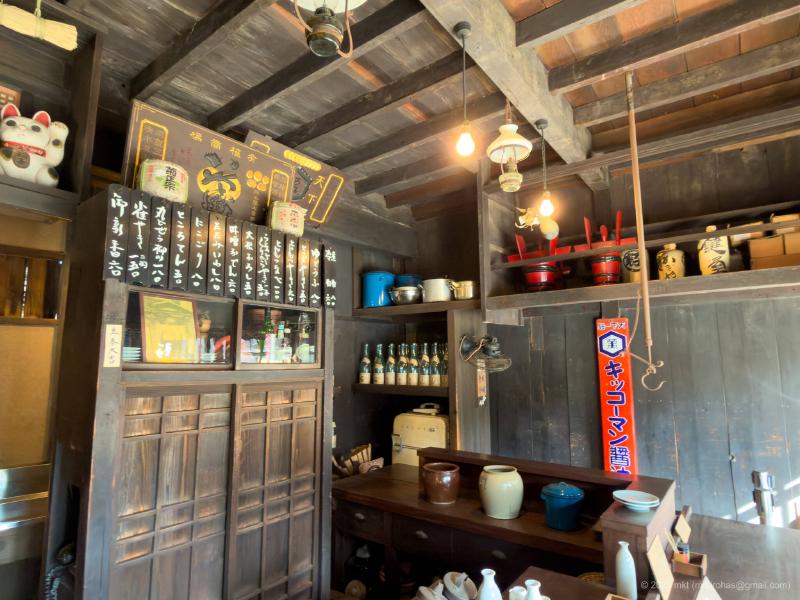
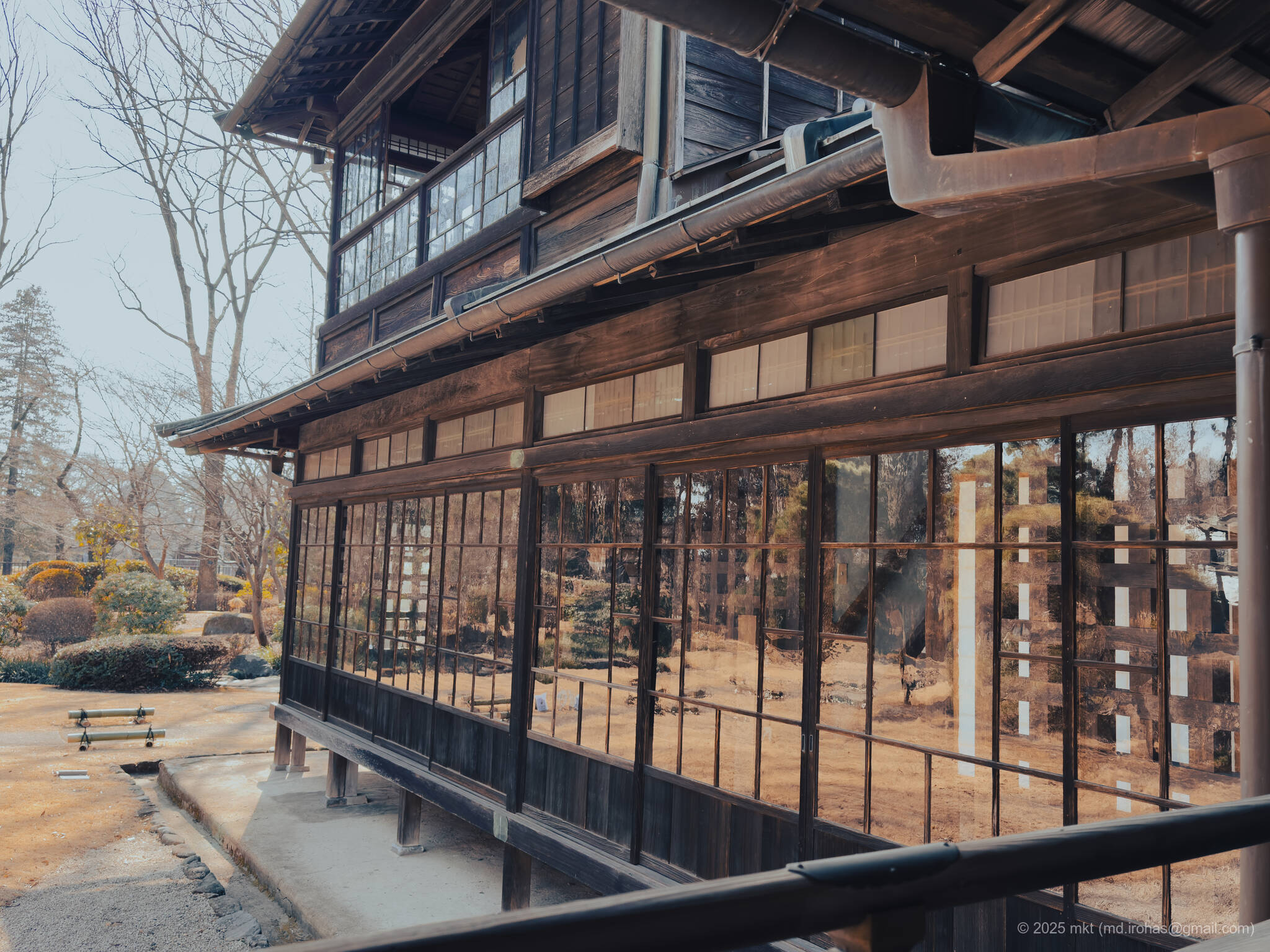
Tenmyo Family House (farmhouse). This residence belonged to a long-established family that held an important local role in what is now Ota Ward during the Edo period.
Closing Notes #
Seeing buildings and everyday tools from the Edo period through the Showa era at the Edo-Tokyo Open Air Architectural Museum made it a day that left me with a quiet sense of nostalgia. The light and background probably change a lot by season, so I would like to visit again at a different time of year.
I was able to see the whole site in about three hours while taking photos. Since you cover a fair amount of distance on foot and many buildings require removing shoes, comfortable shoes that are easy to slip on and off are helpful.
Many interiors are fairly dark, so a fast lens helps if you plan to take photos. The indoor spaces are also quite narrow, so a wider lens was useful.
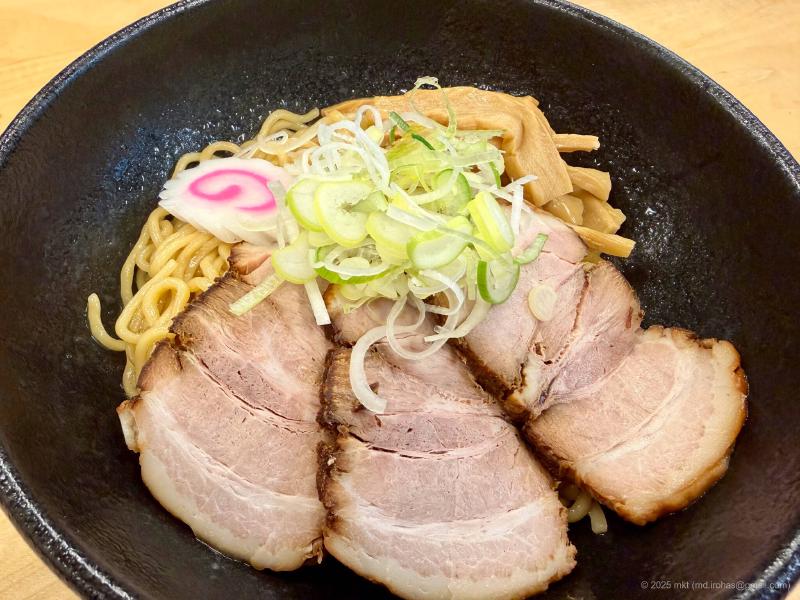
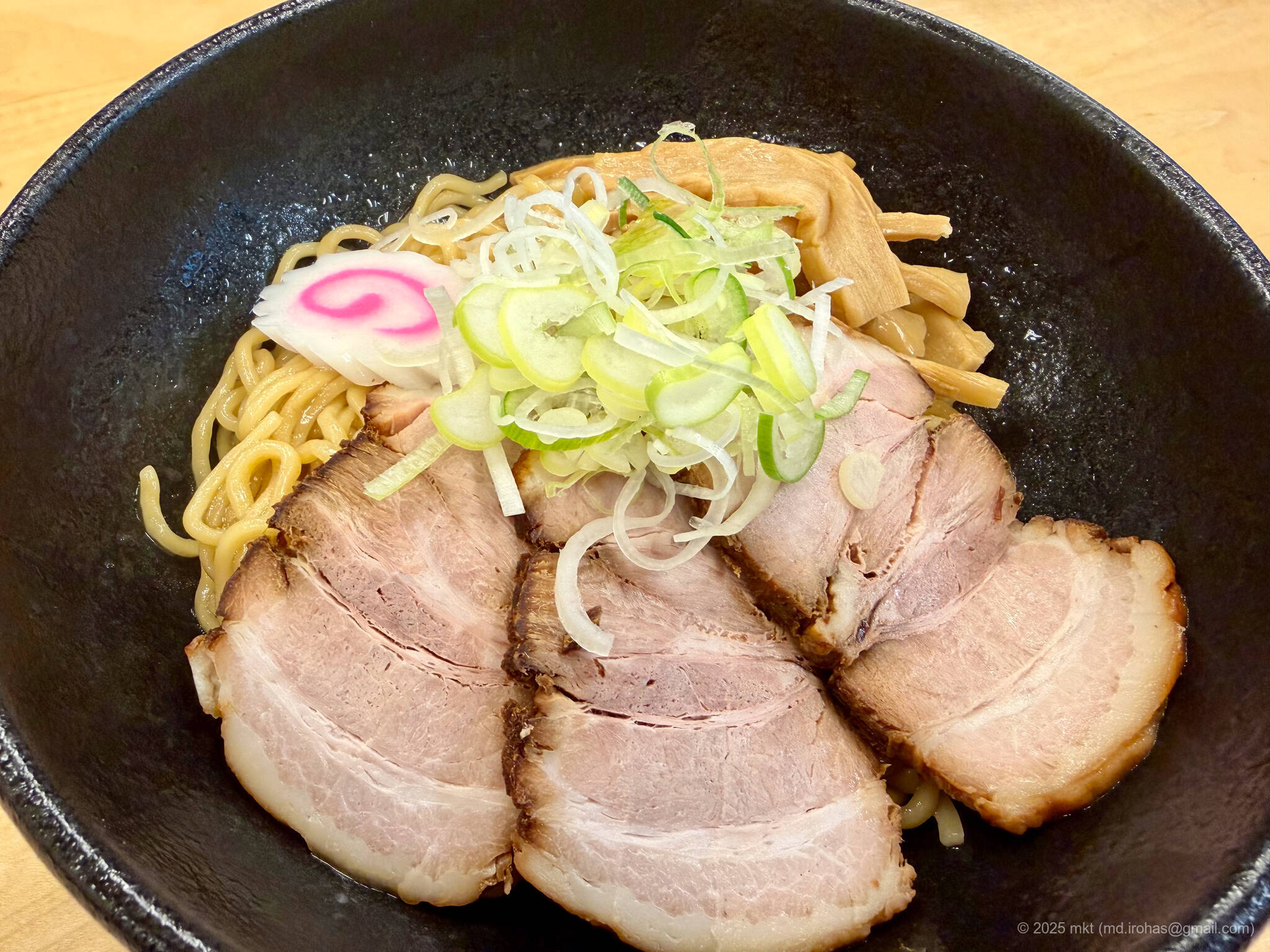
After the walk, I had abura soba (soupless ramen with sauce and oil) at nearby Ippei Soba before heading home. The chashu (braised pork) was especially good.
Gallery #
There are some restrictions on photo and video shooting inside the Edo-Tokyo Open Air Architectural Museum. If you plan to shoot, please check the notes in advance.
https://www.tatemonoen.jp/english/raien/cautions.php#satsuei
License: CC BY-NC-SA 4.0
You can view the Google Photos album here.
iPhone 17 Pro #
α6500 #
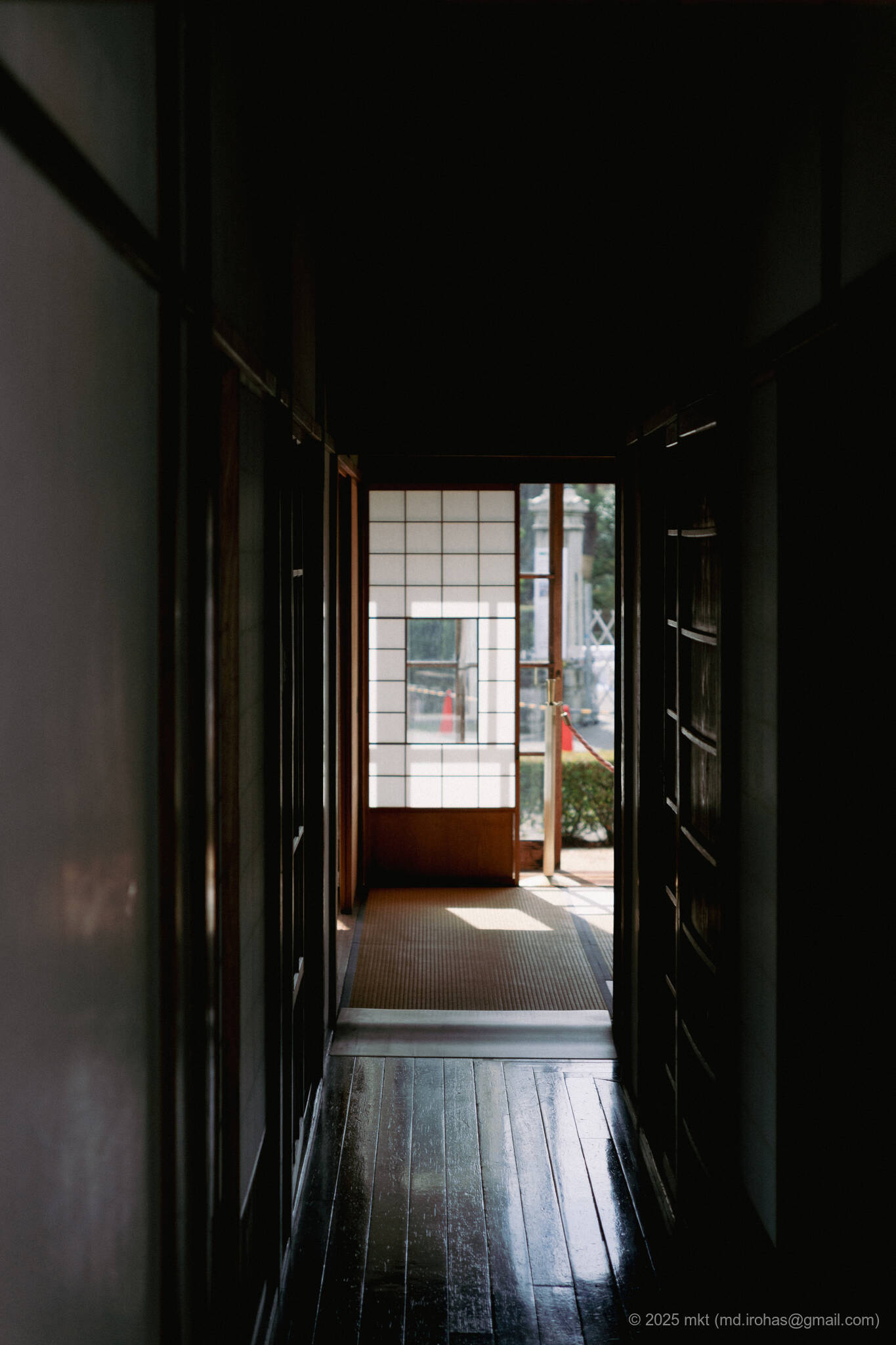
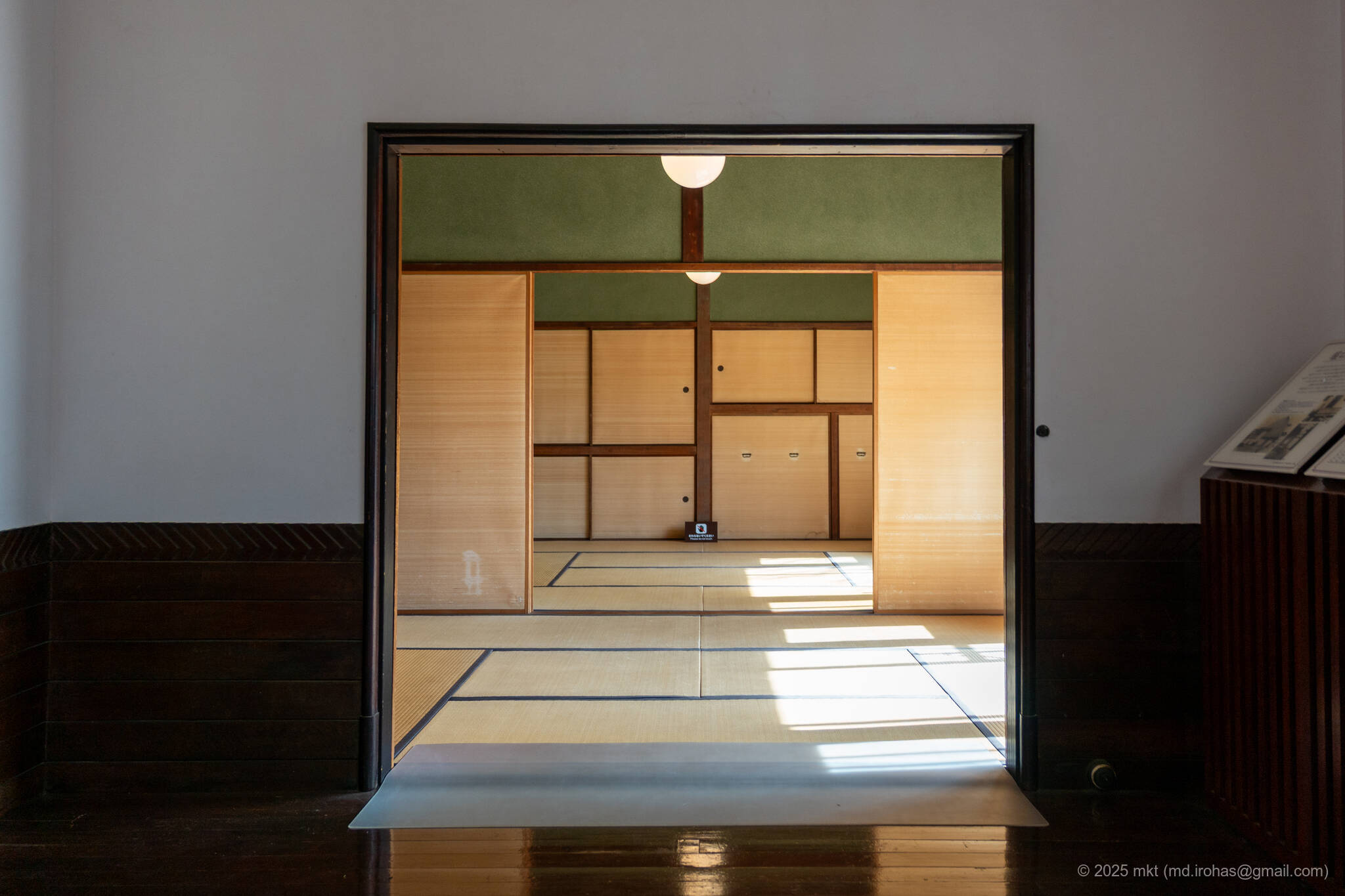
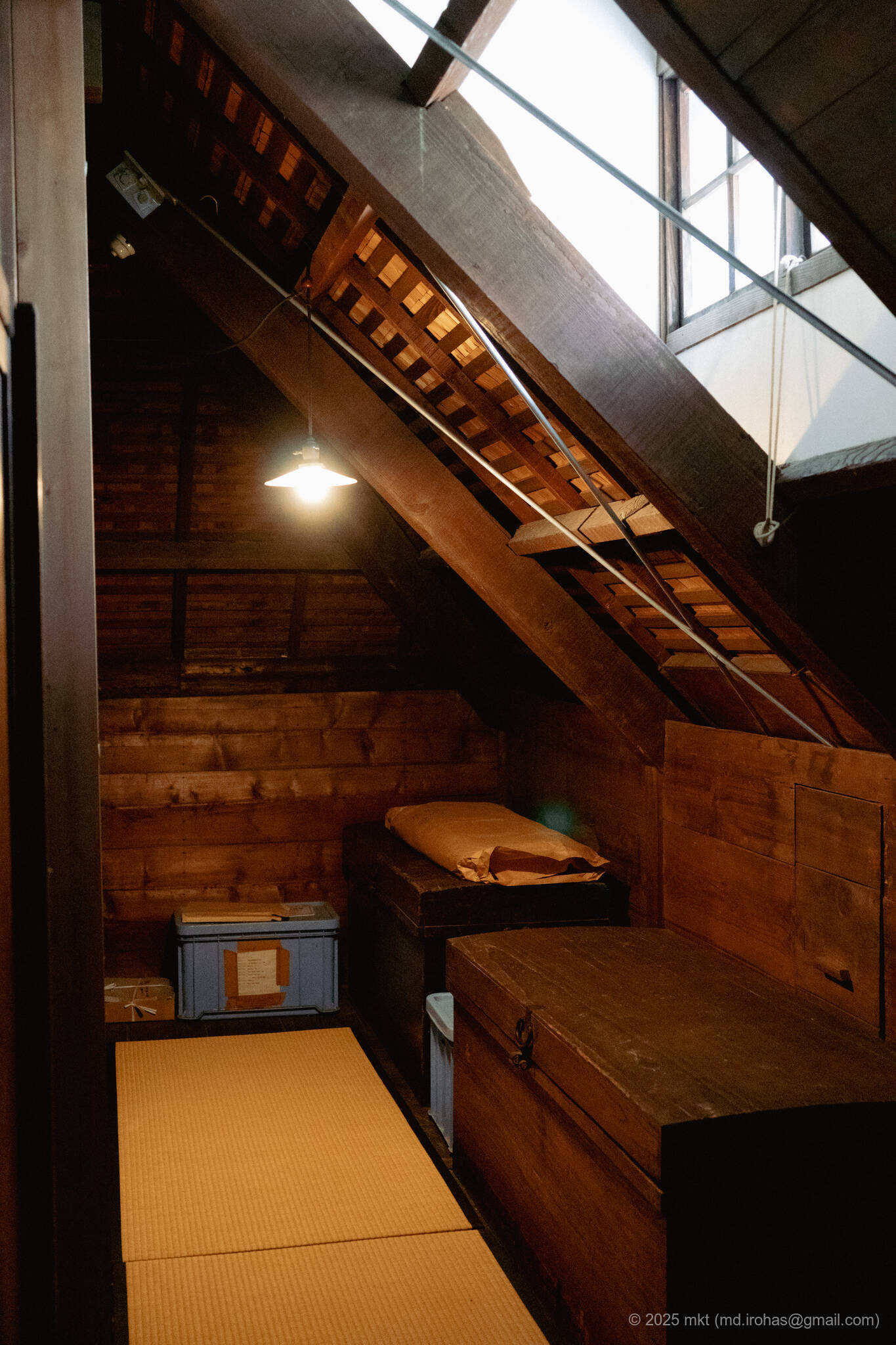
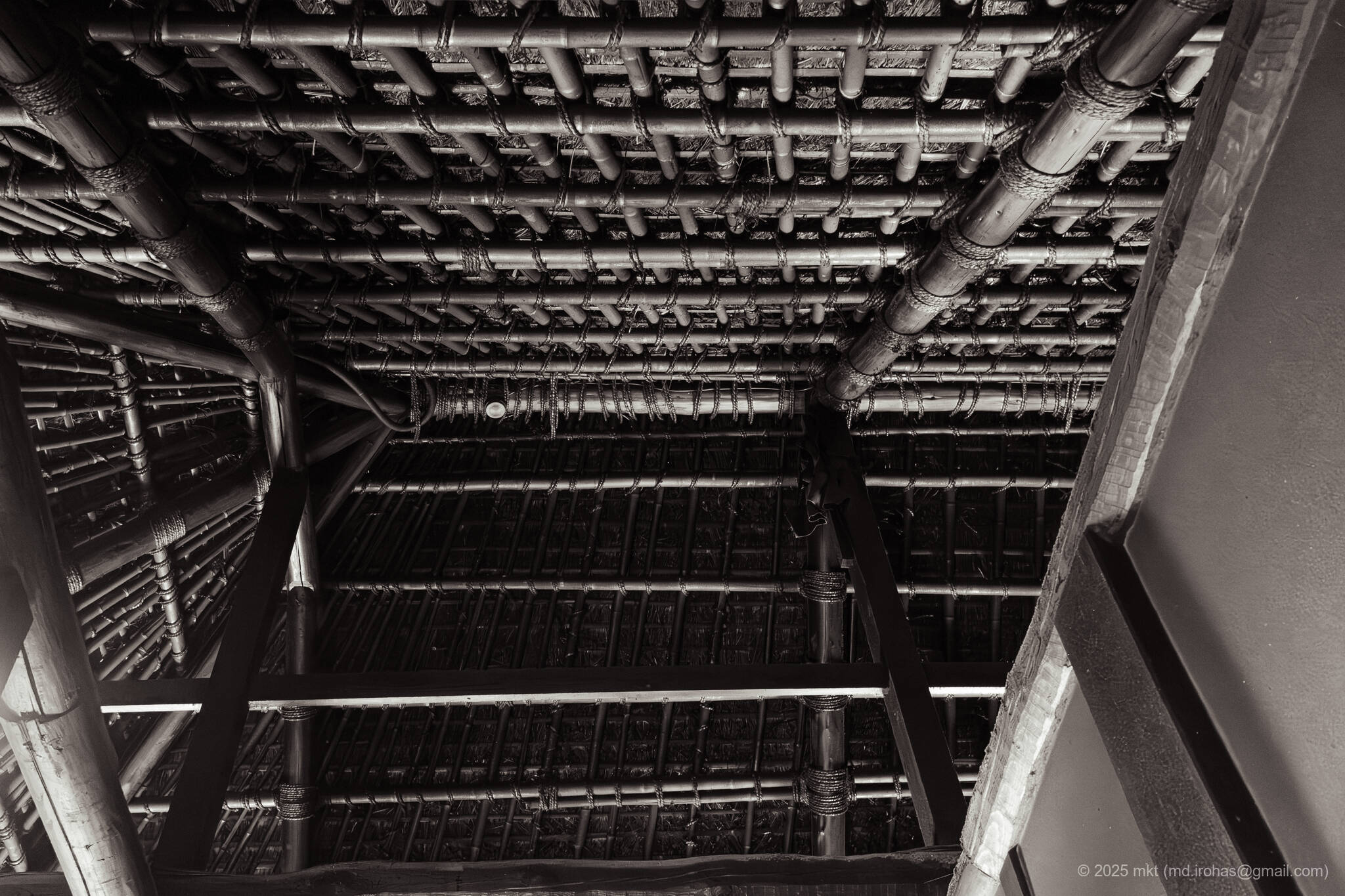
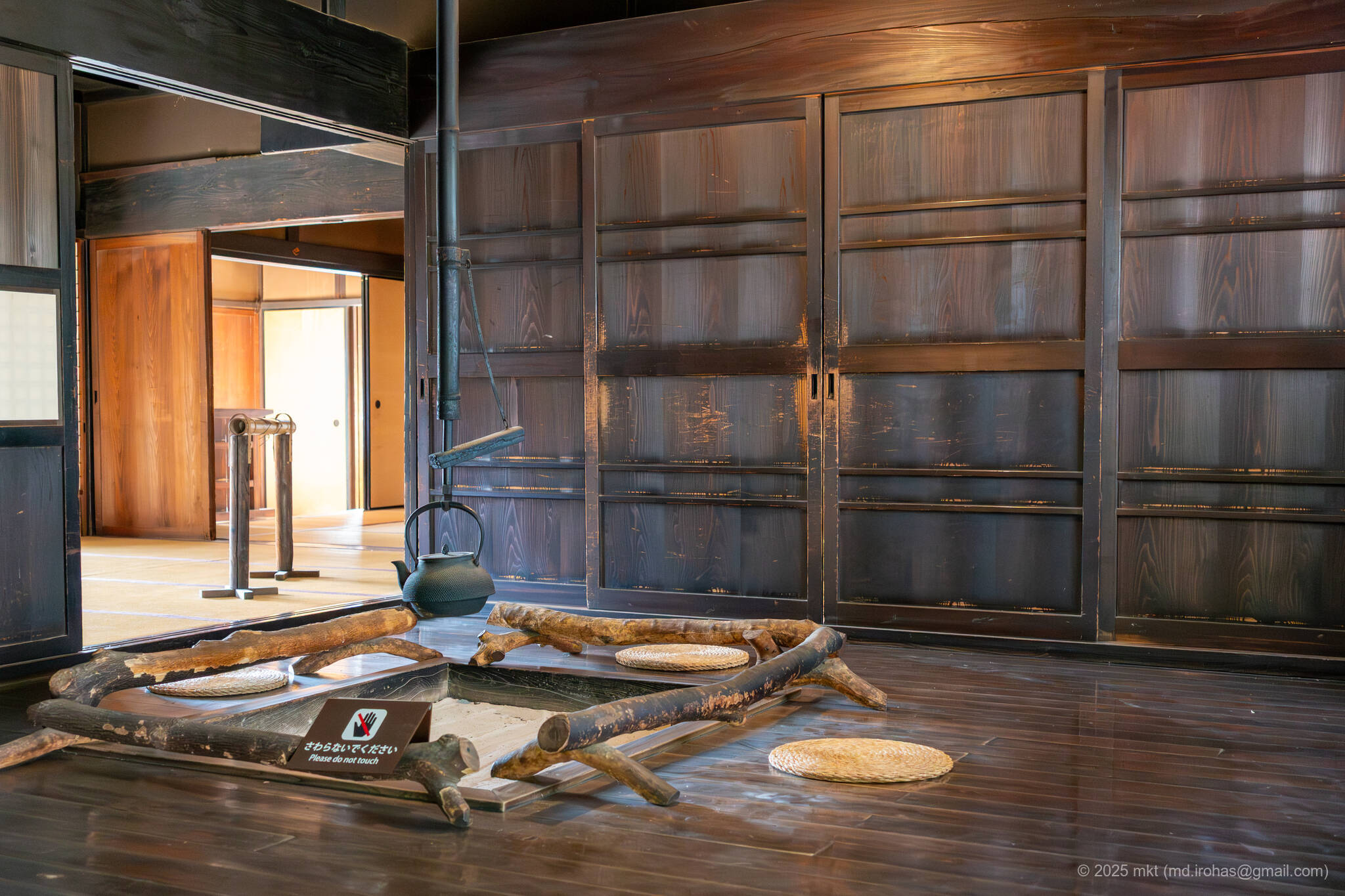
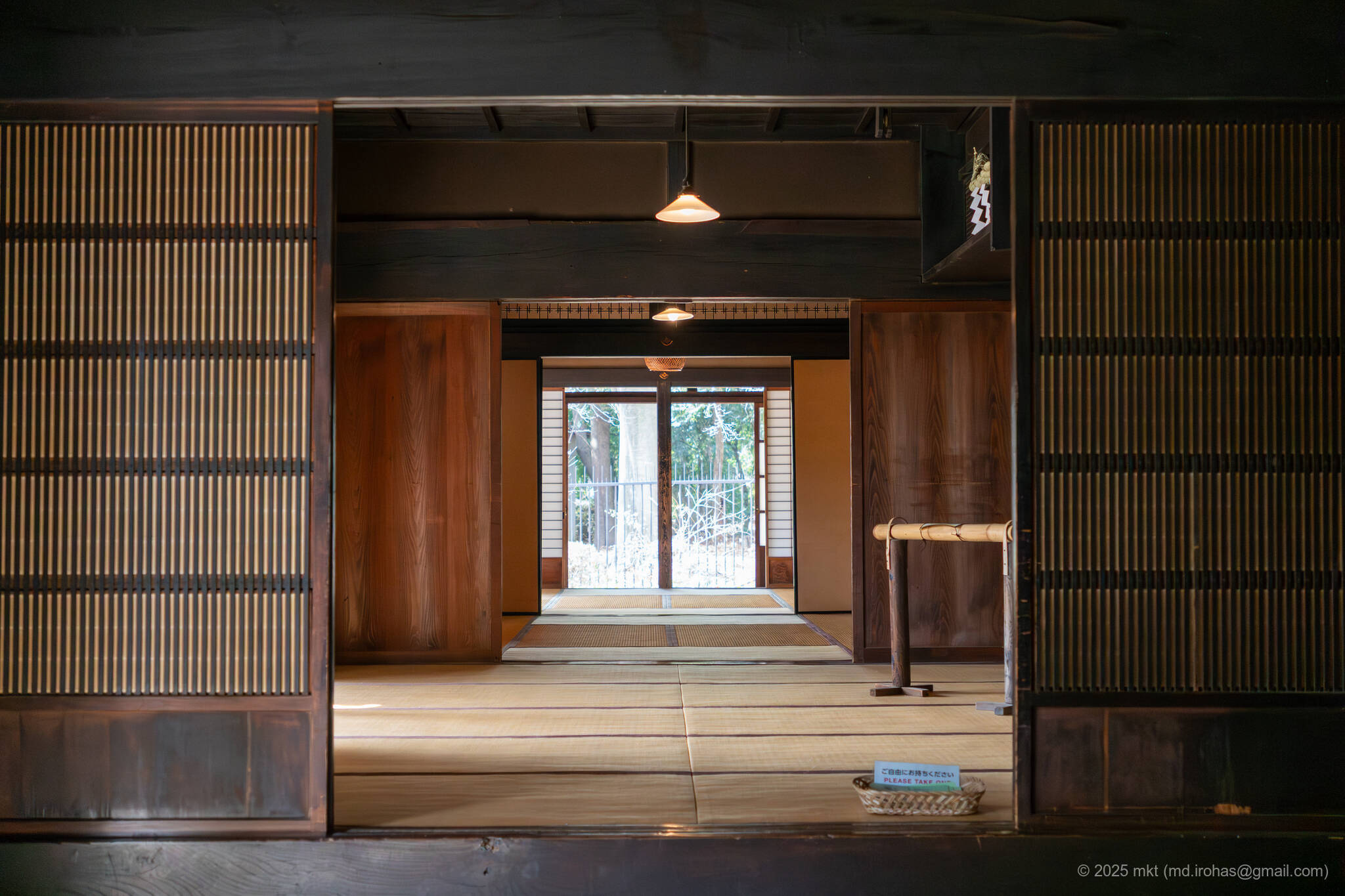
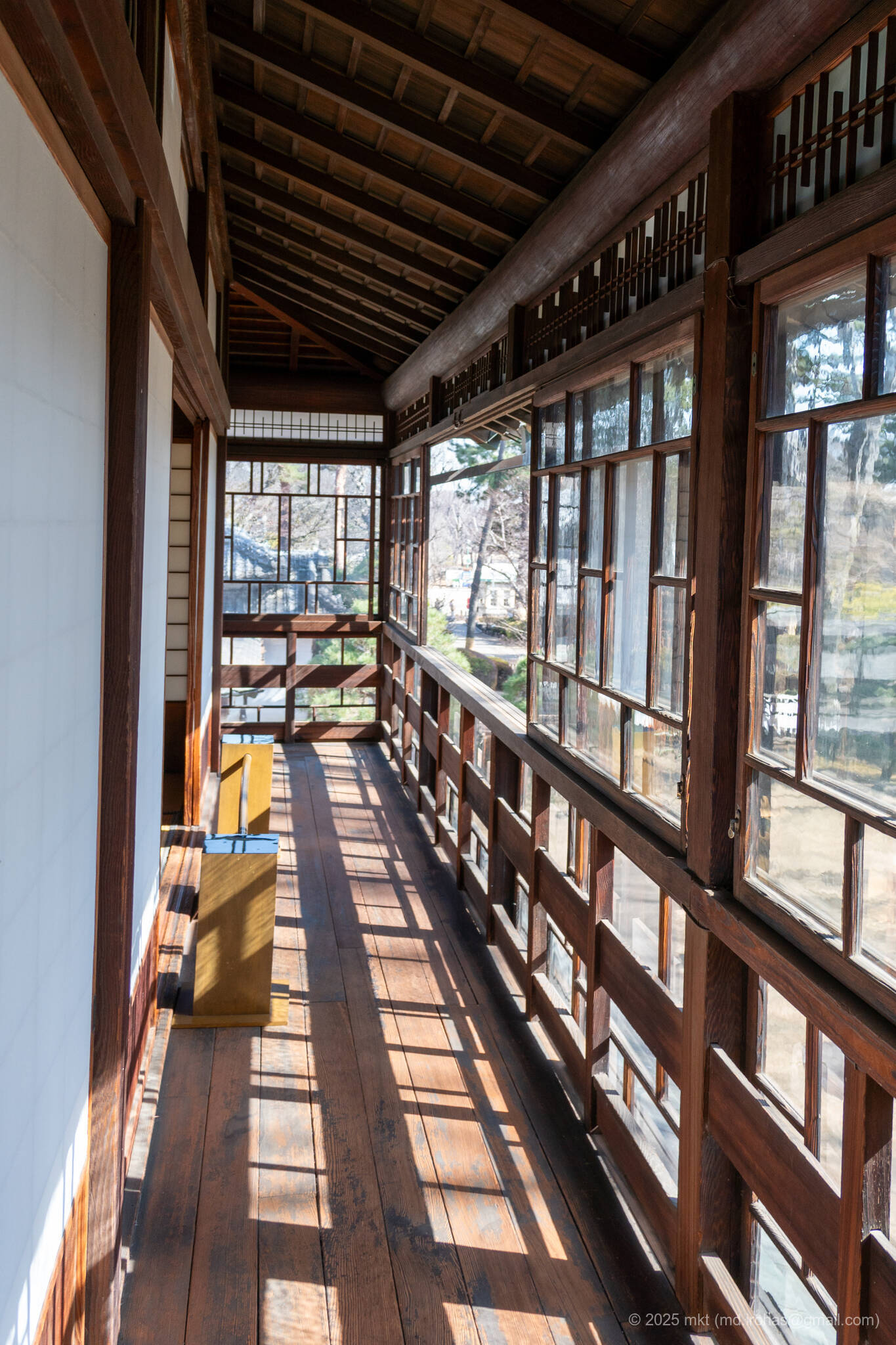
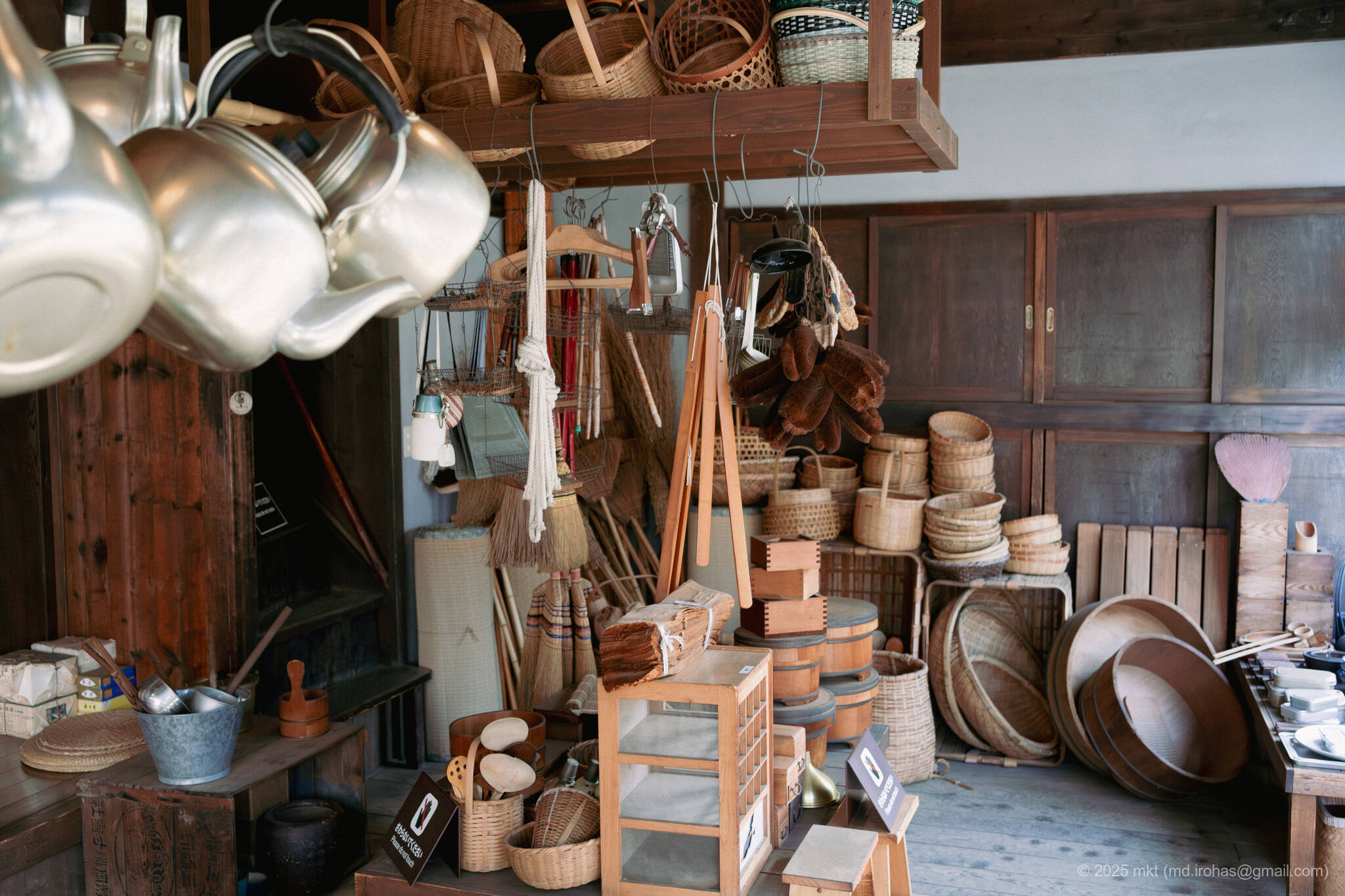
You can download the RAW images here.
Map #
Edo-Tokyo Open Air Architectural Museum #
Ippei Soba #
Change History #
- 2026/02/25: First version.