You can read the Medium version of this article here.
Story #
In March 2026, while driving around Miyazaki and Kagoshima Prefectures, I stopped by Aoshima Shrine.
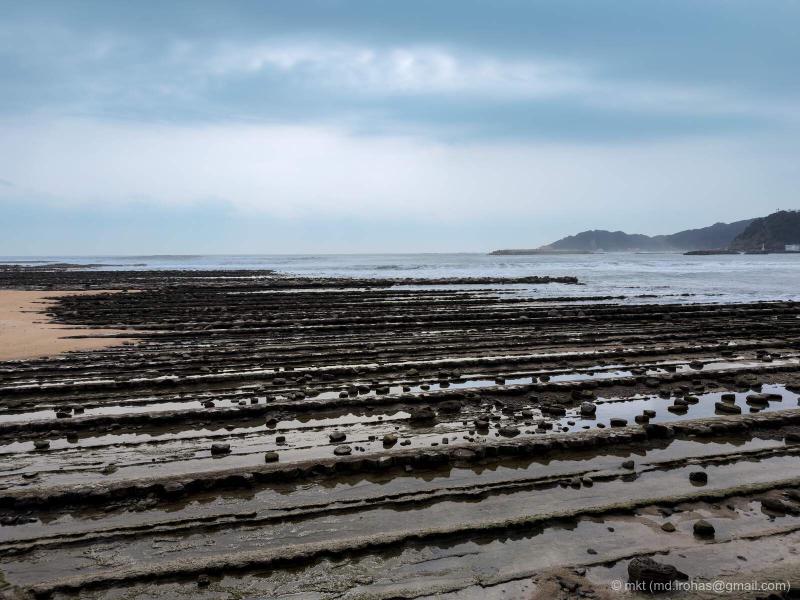
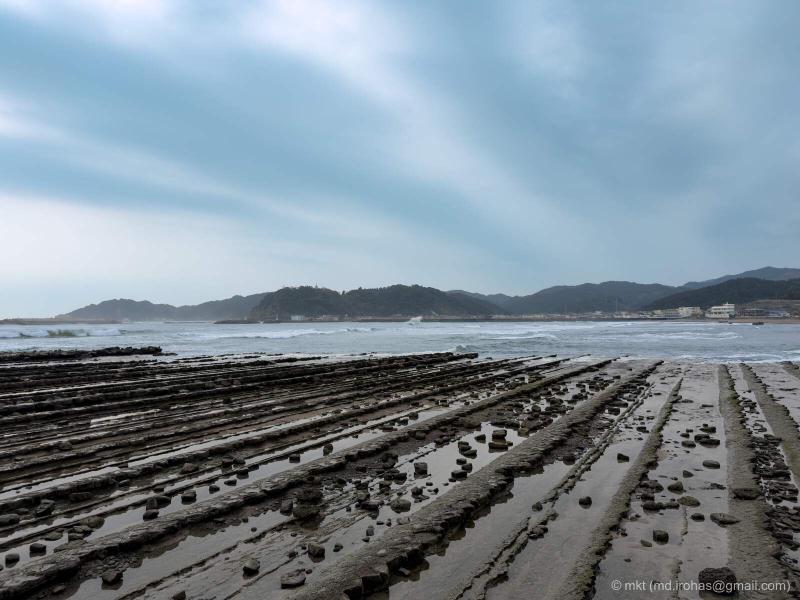
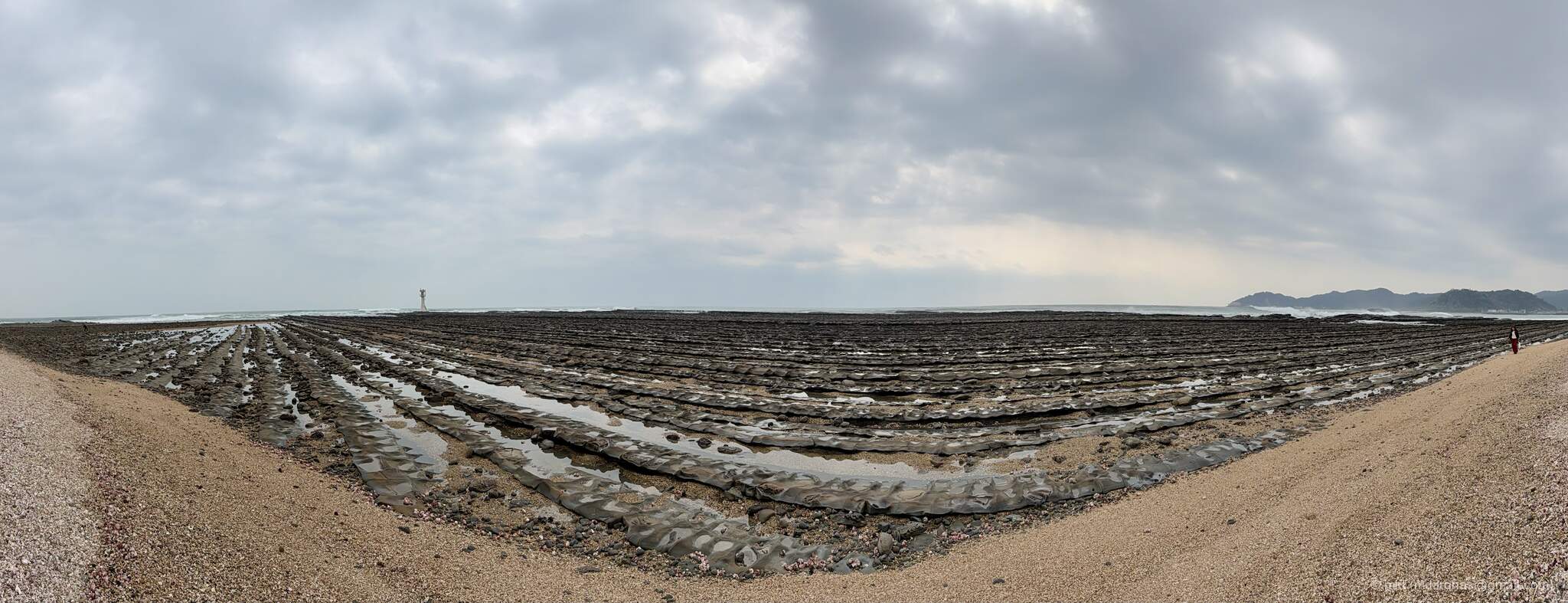
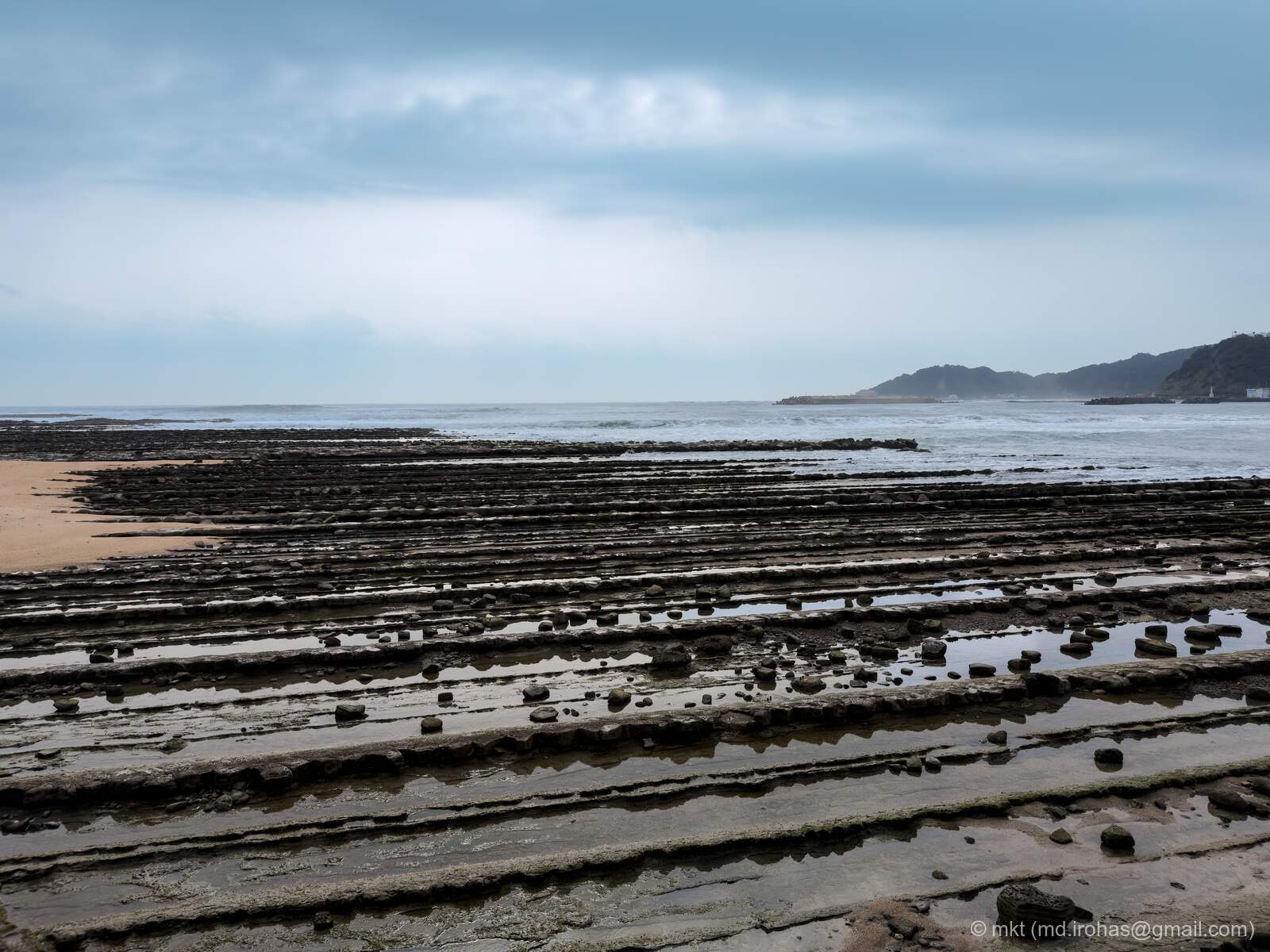
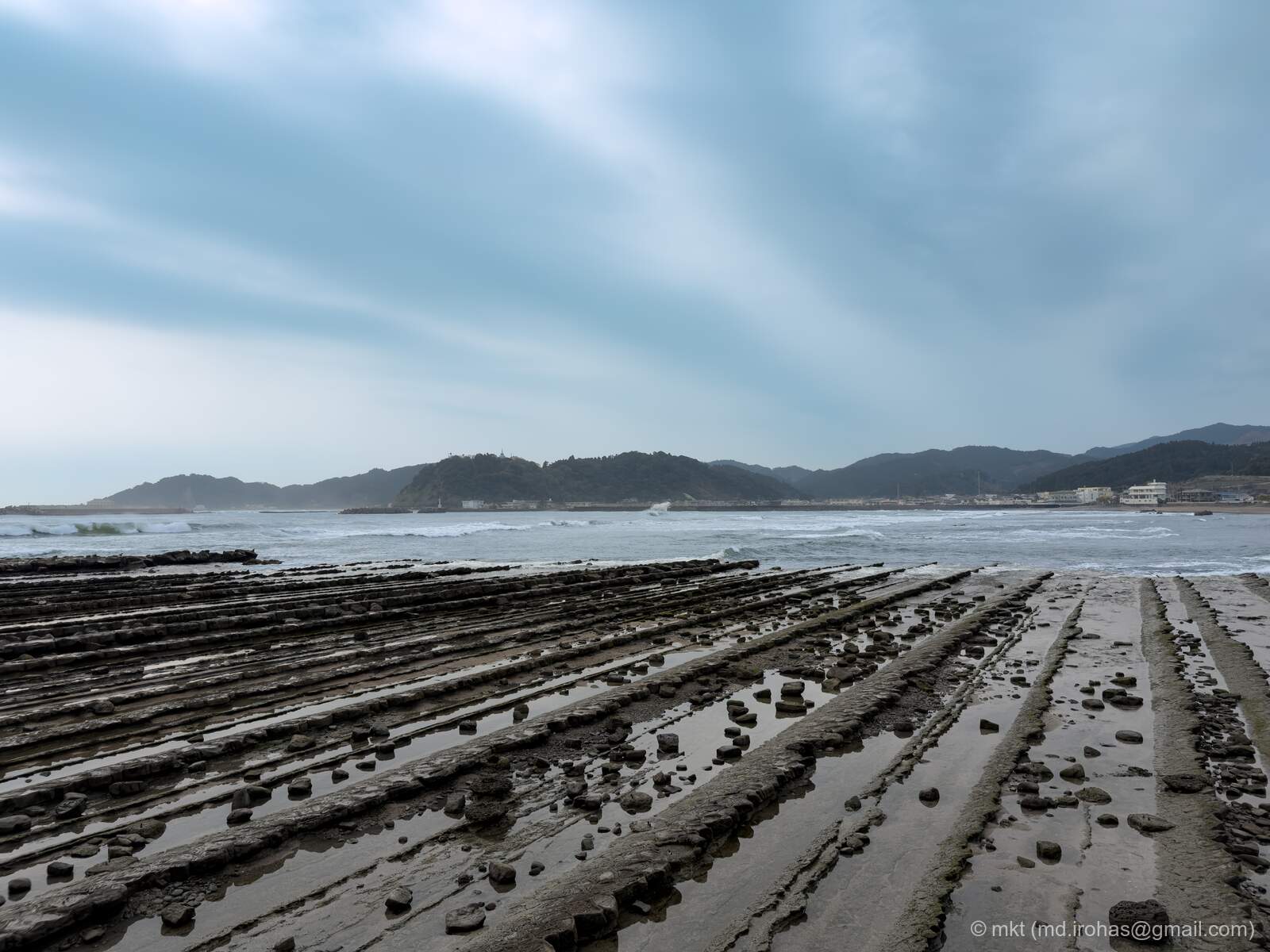
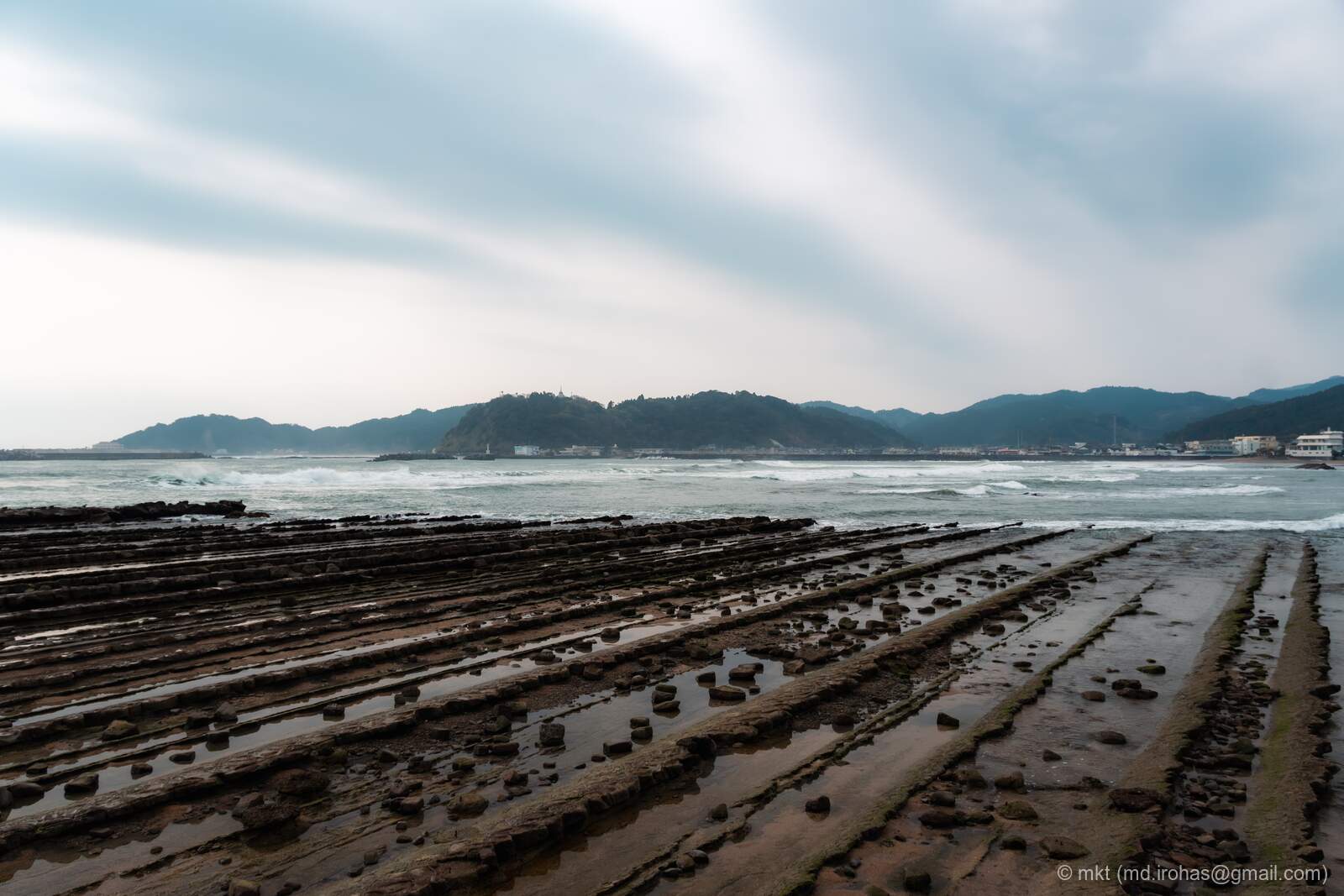
Aoshima Shrine is located on an island called Aoshima in Miyazaki City, Miyazaki Prefecture. The island is about 1.5 km around, and the entire island is considered shrine grounds. It is known for its dense tropical and subtropical vegetation, as well as the wave-shaped rock formations around the island called “Oni no Sentakuita,” or the Devil’s Washboard.
- Aoshima Shrine (Japanese only): https://aoshima-jinja.jp/
Walking to Aoshima Shrine #
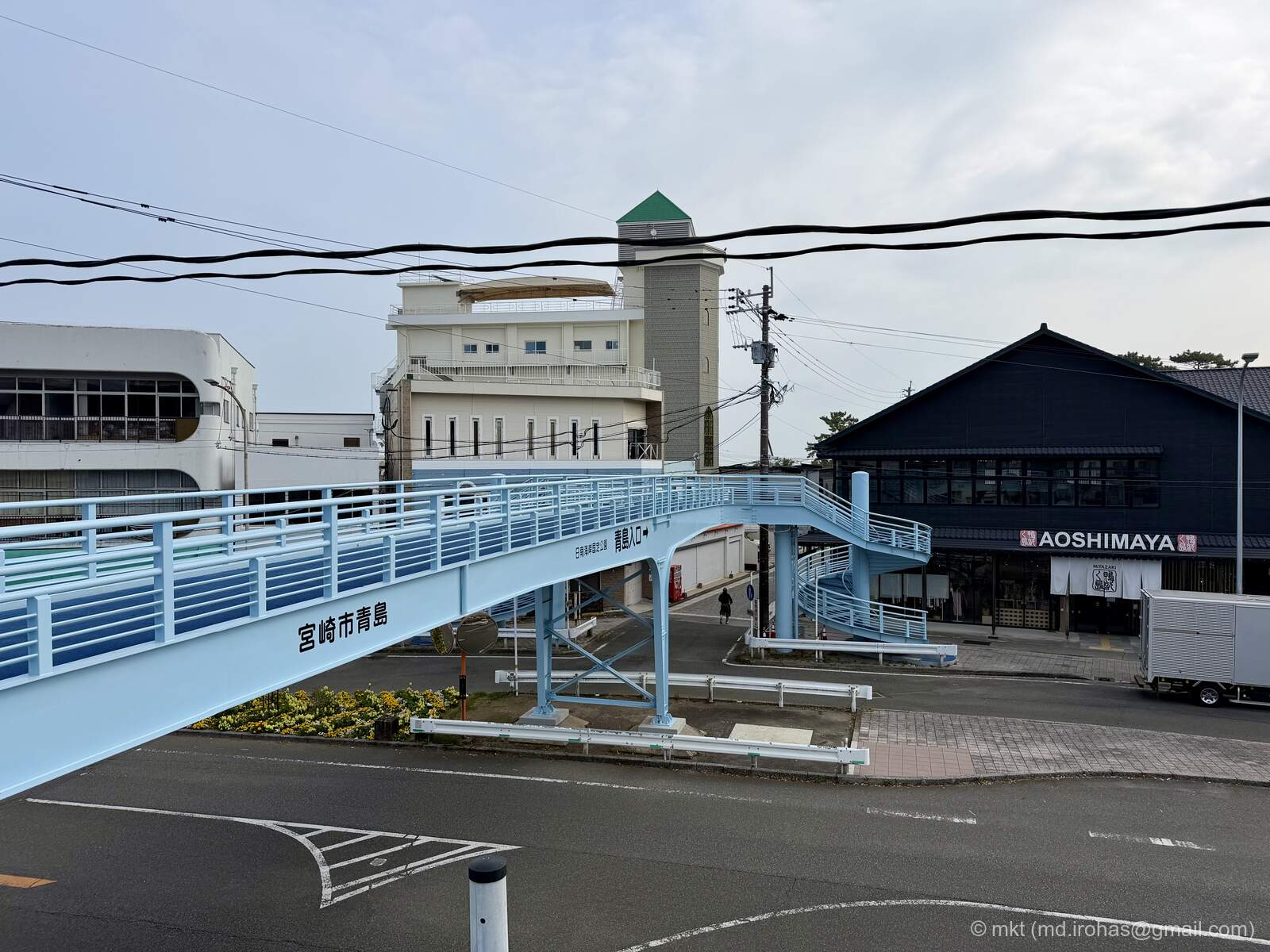
I arrived at a paid parking lot near Aoshima Shrine at around 9 a.m. From there, I crossed a blue pedestrian bridge and headed toward Aoshima.
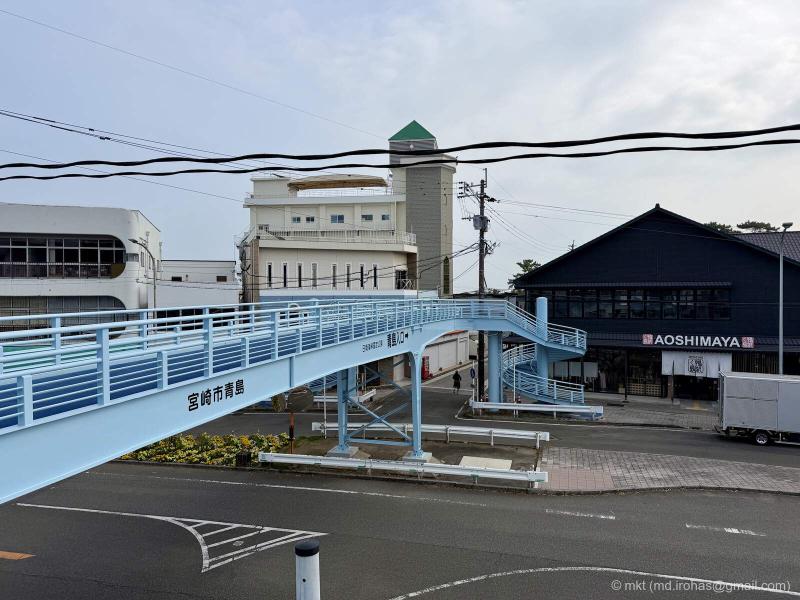
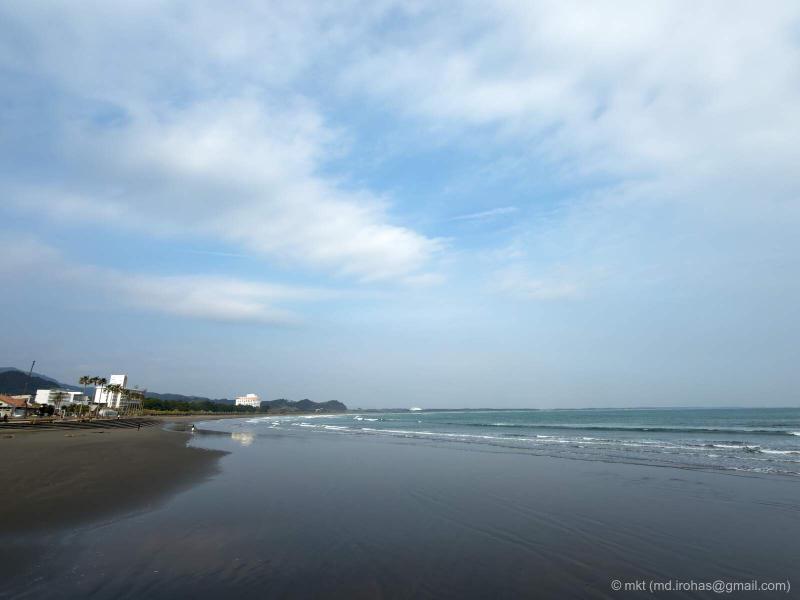
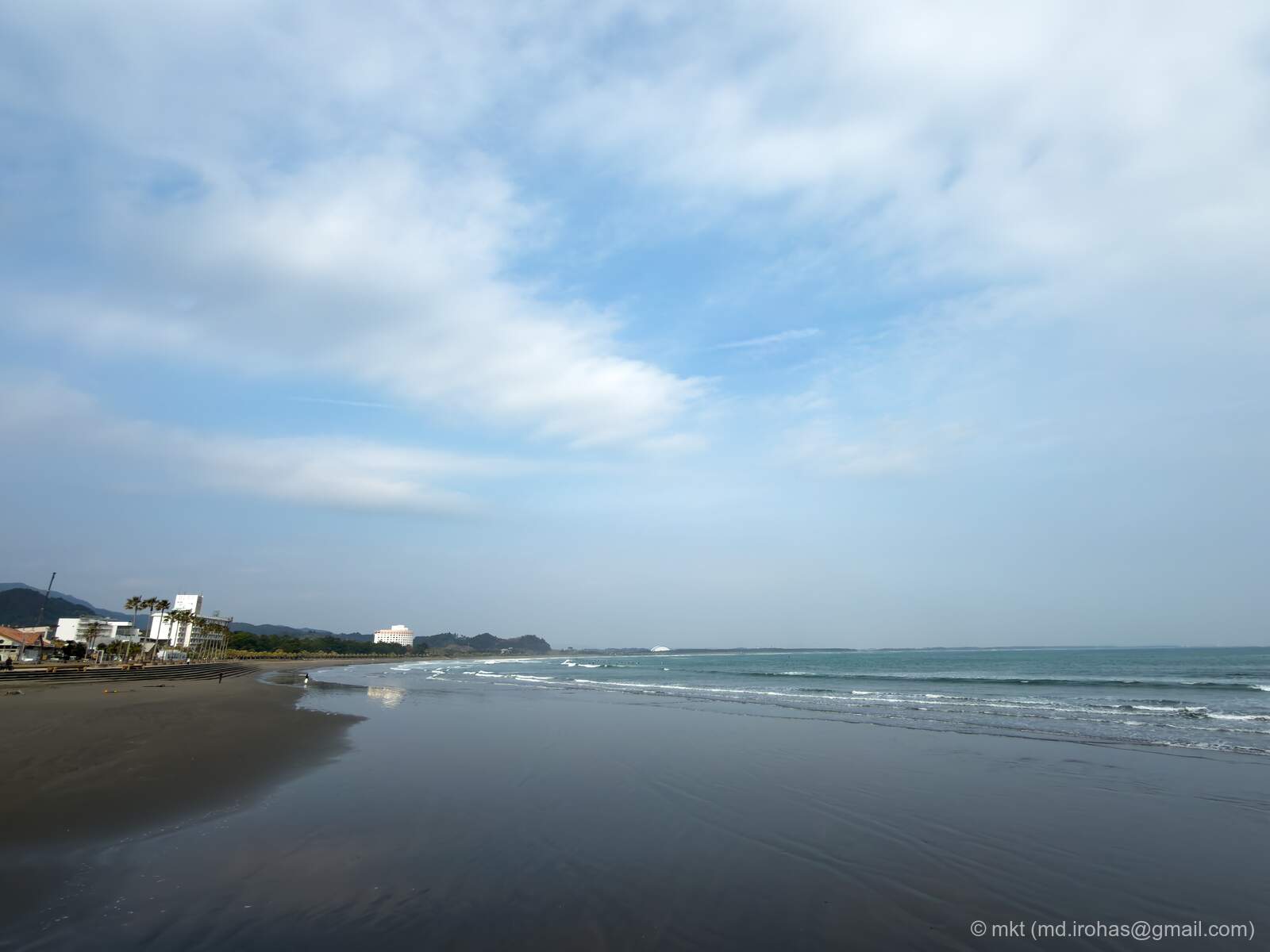
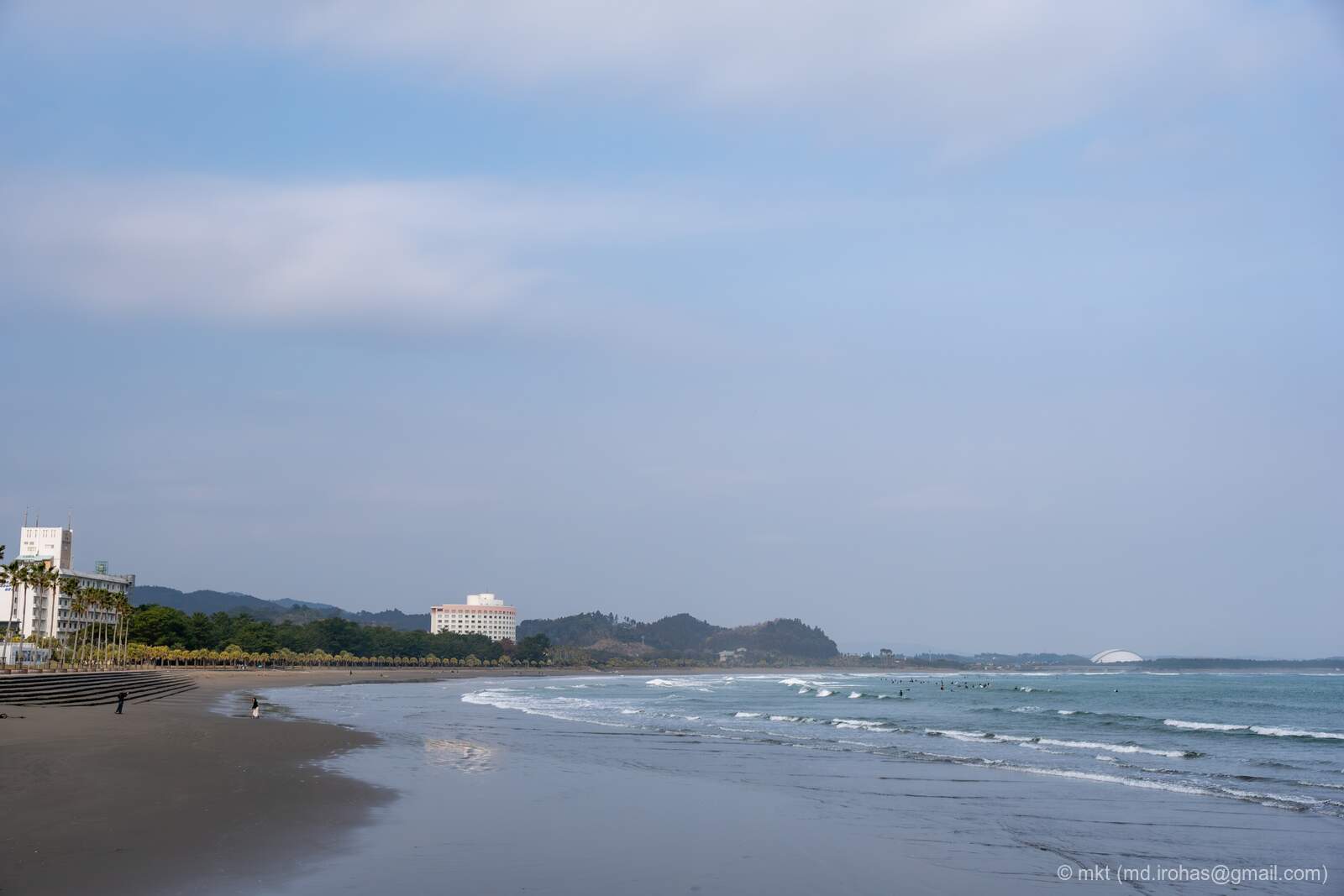
After passing through a street lined with shops, I reached the coast. The weather was cloudy and the waves were a little high, but the beach still had a distinctly southern, tropical feel.
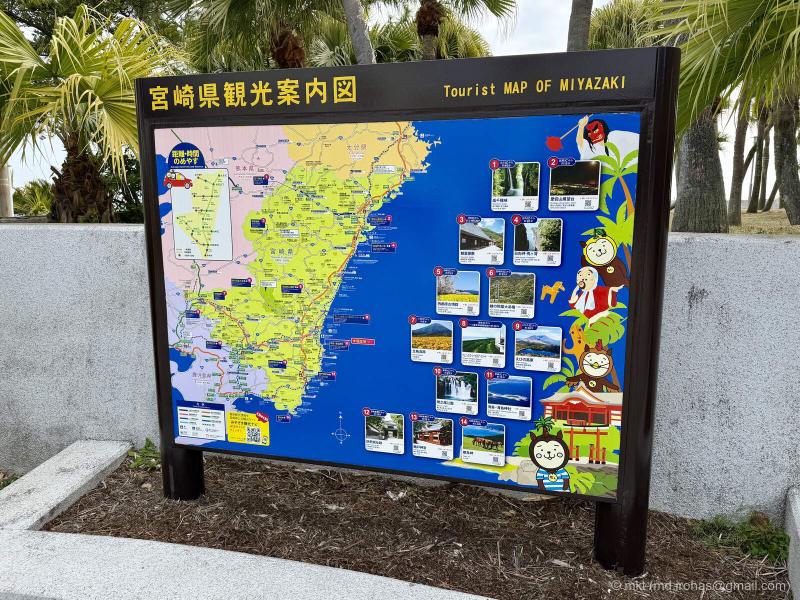
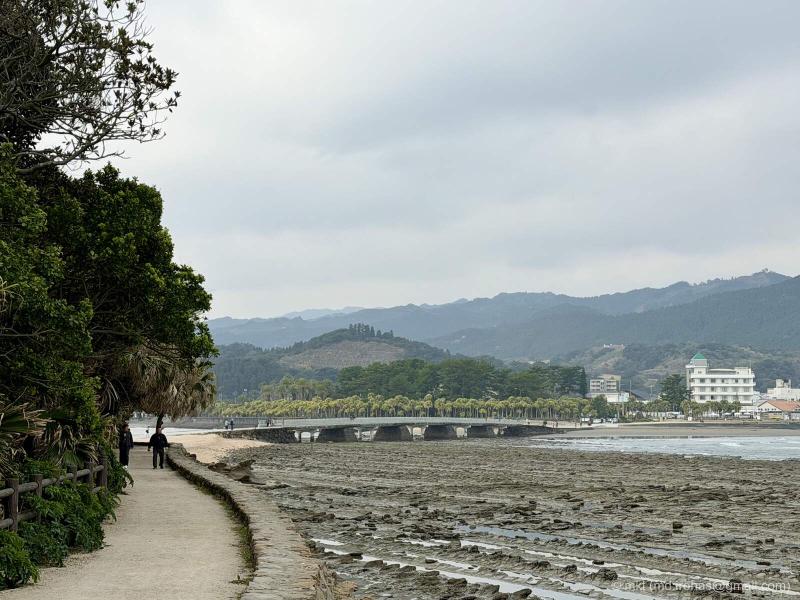
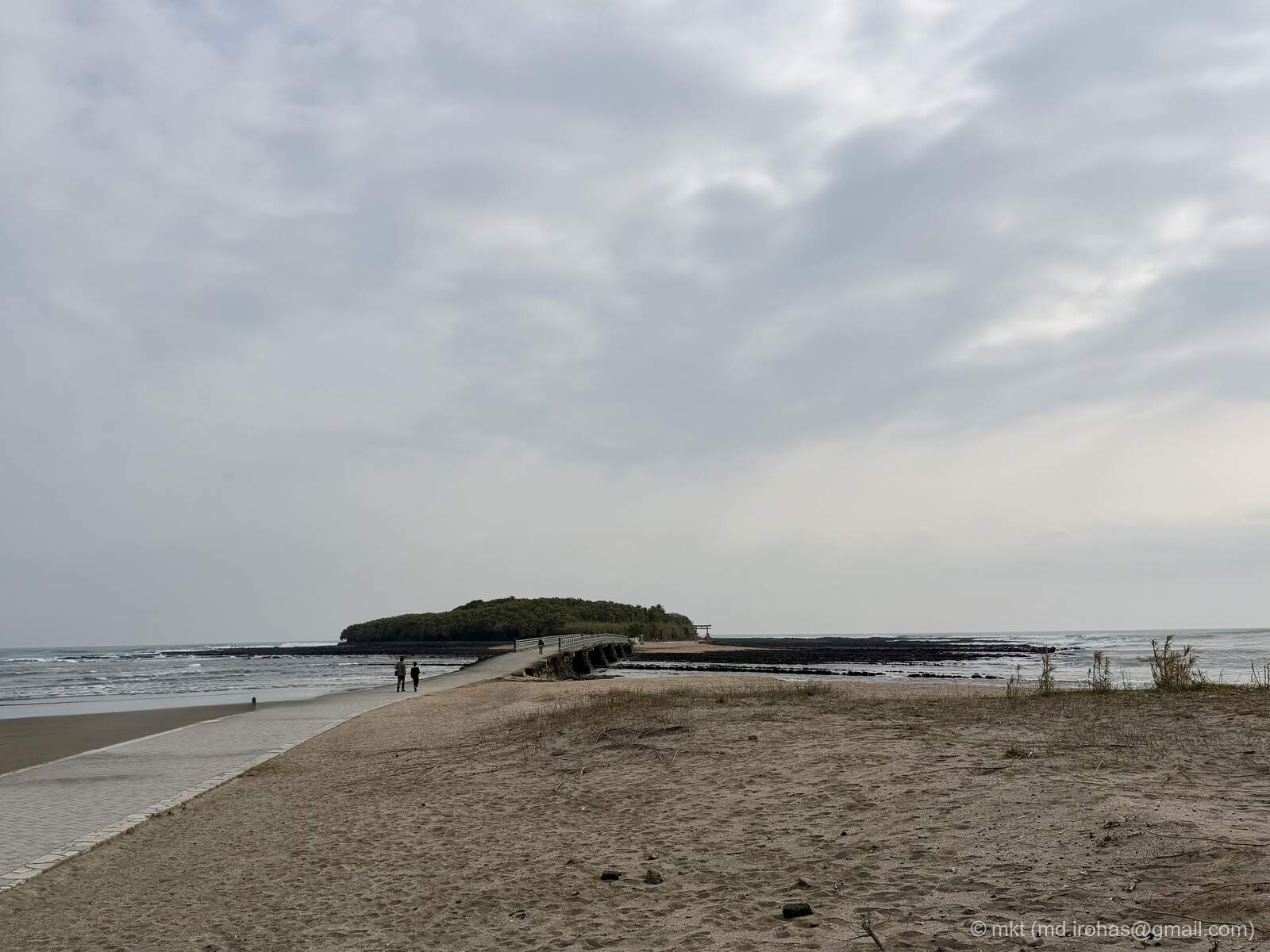
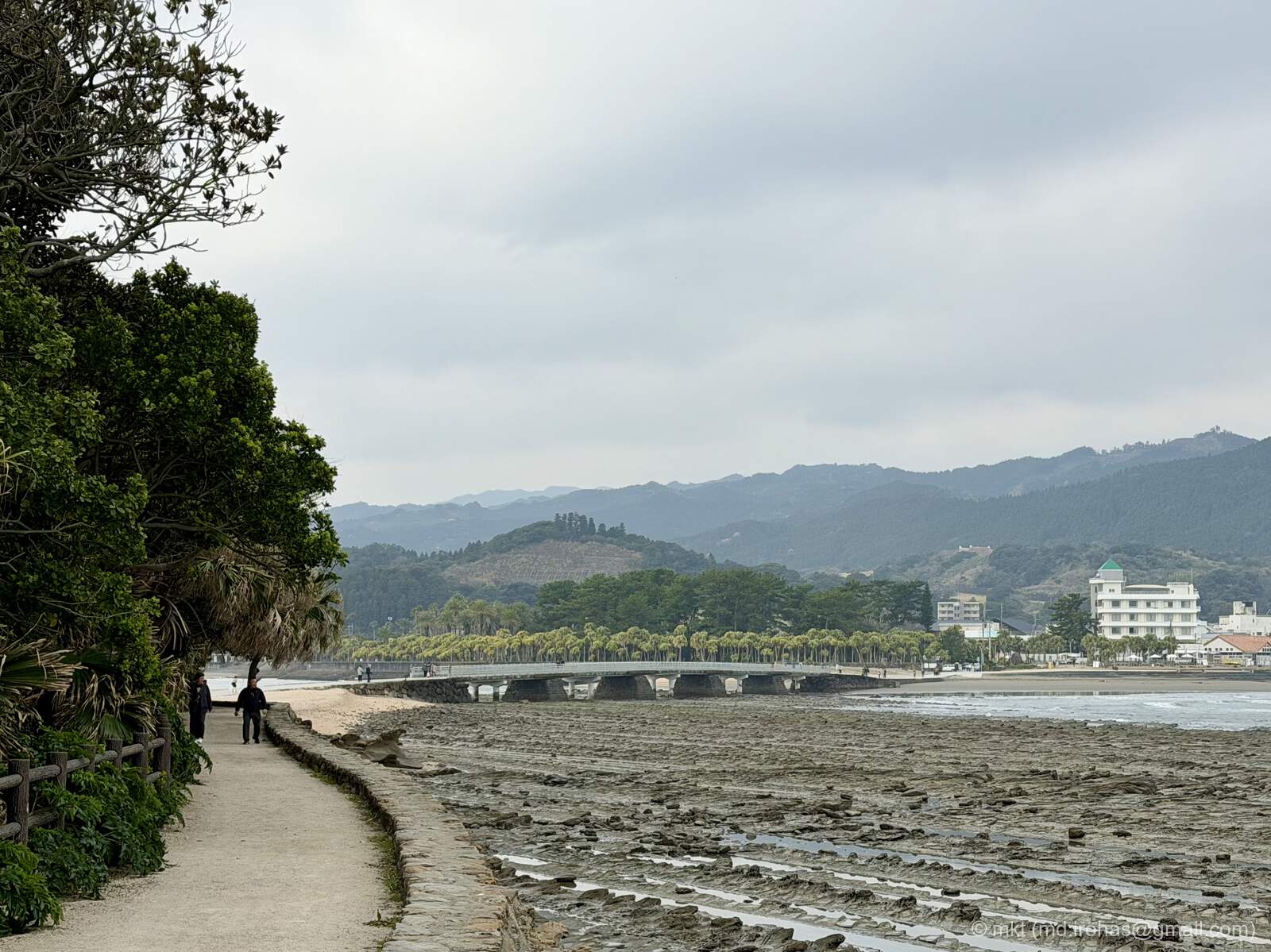
To get to Aoshima, you cross a bridge over the shoreline called Yayoi Bridge.
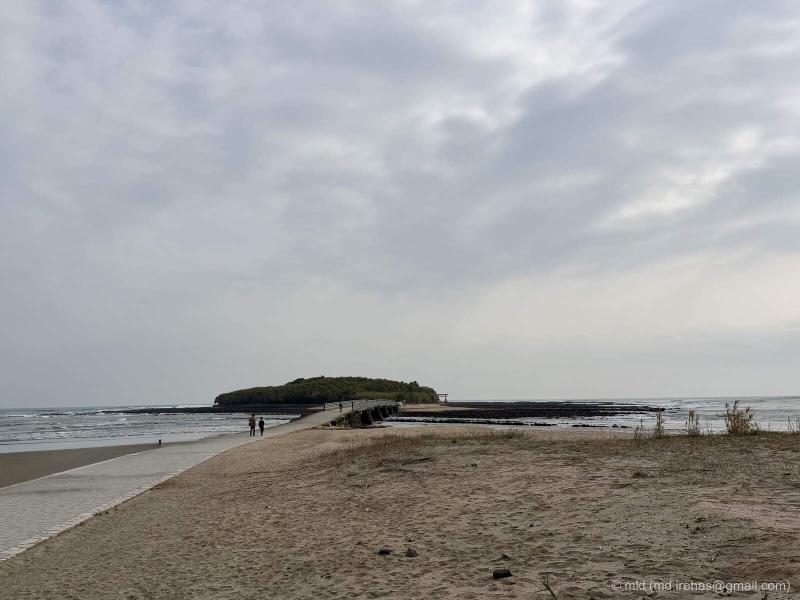
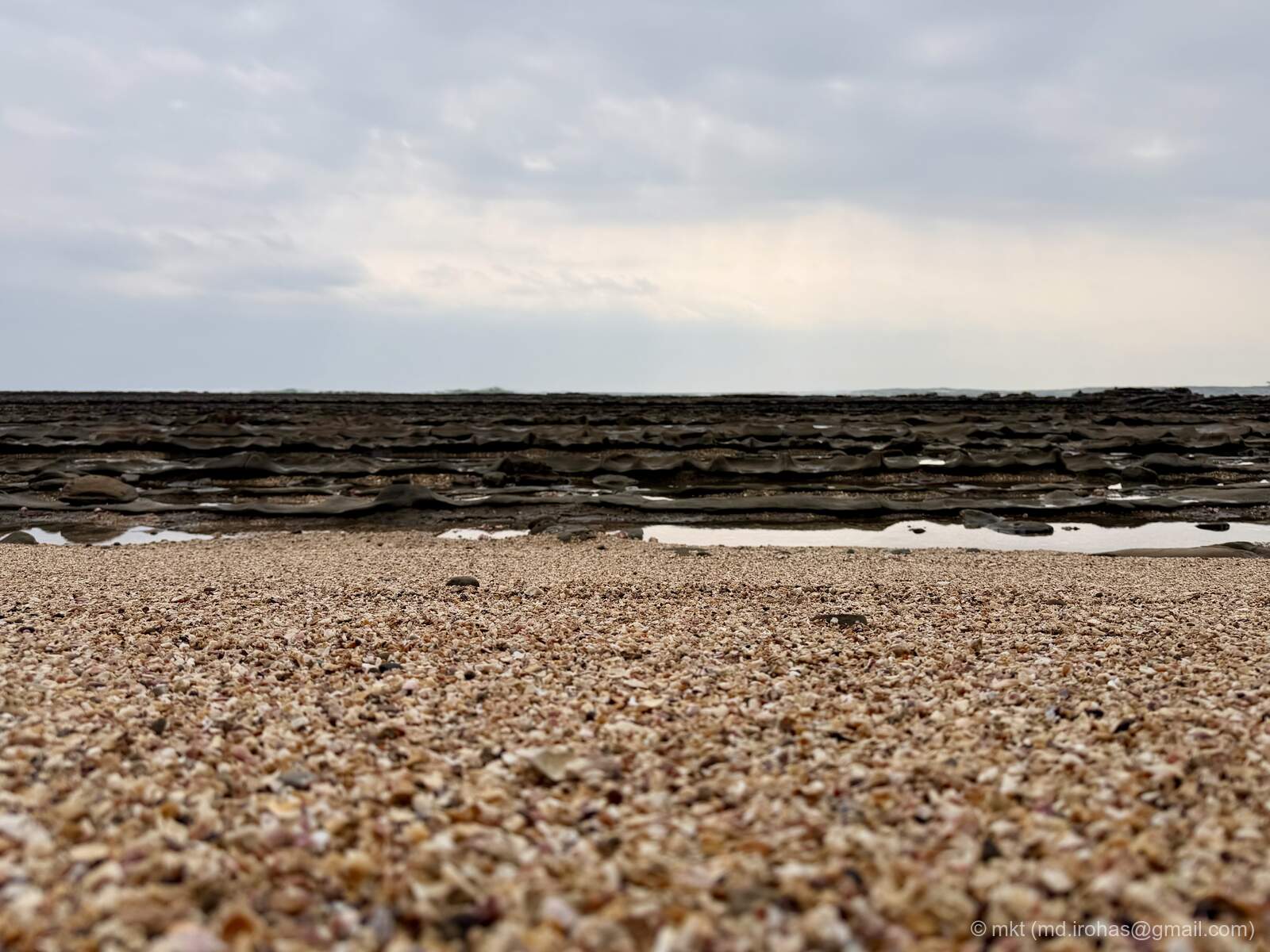
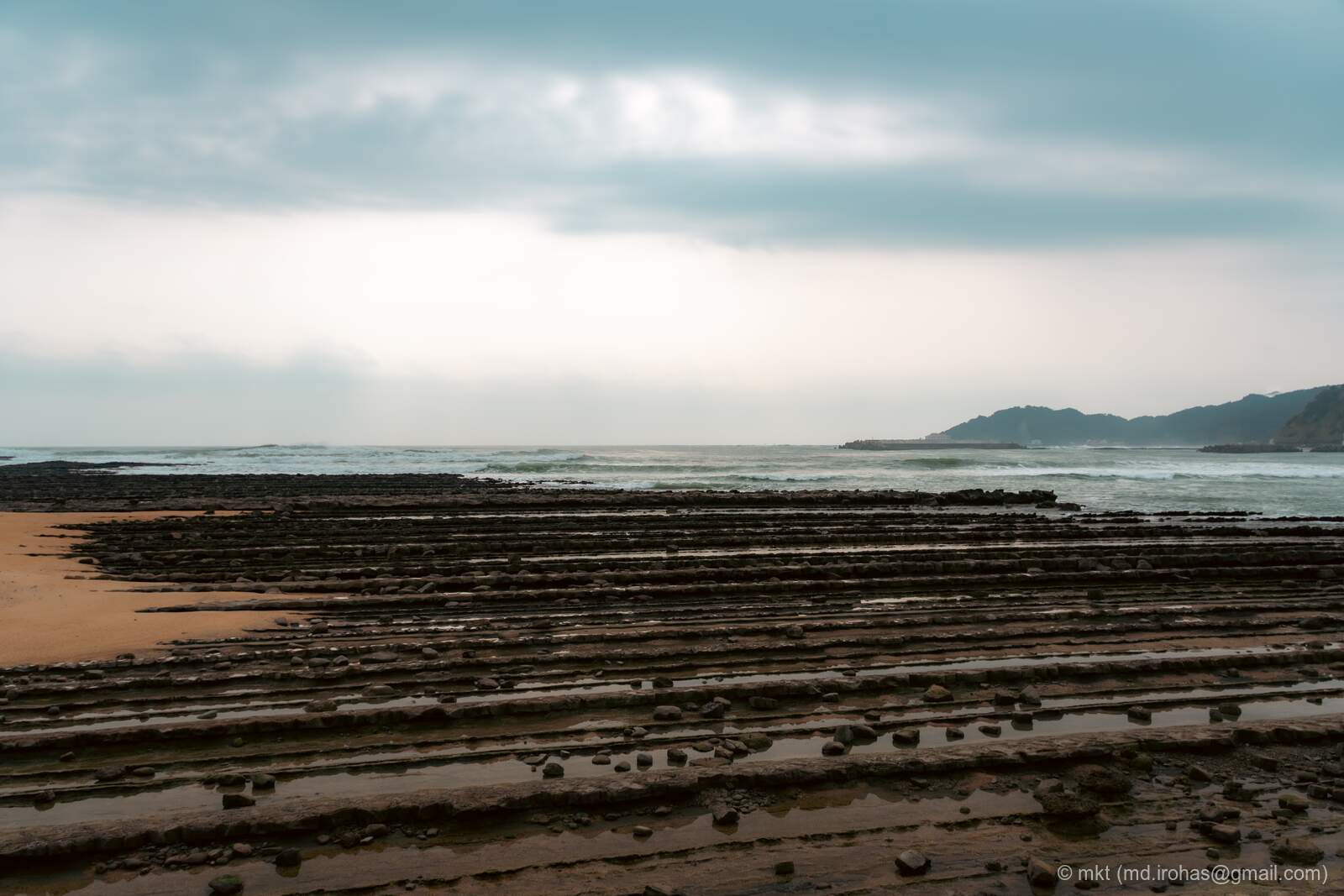
As I got closer to the bridge, I could clearly see the unusual rocky shore spreading out around the island. These wave-like formations are known as “Oni no Sentakuita,” or the Devil’s Washboard, and they are designated as a National Natural Monument of Japan.
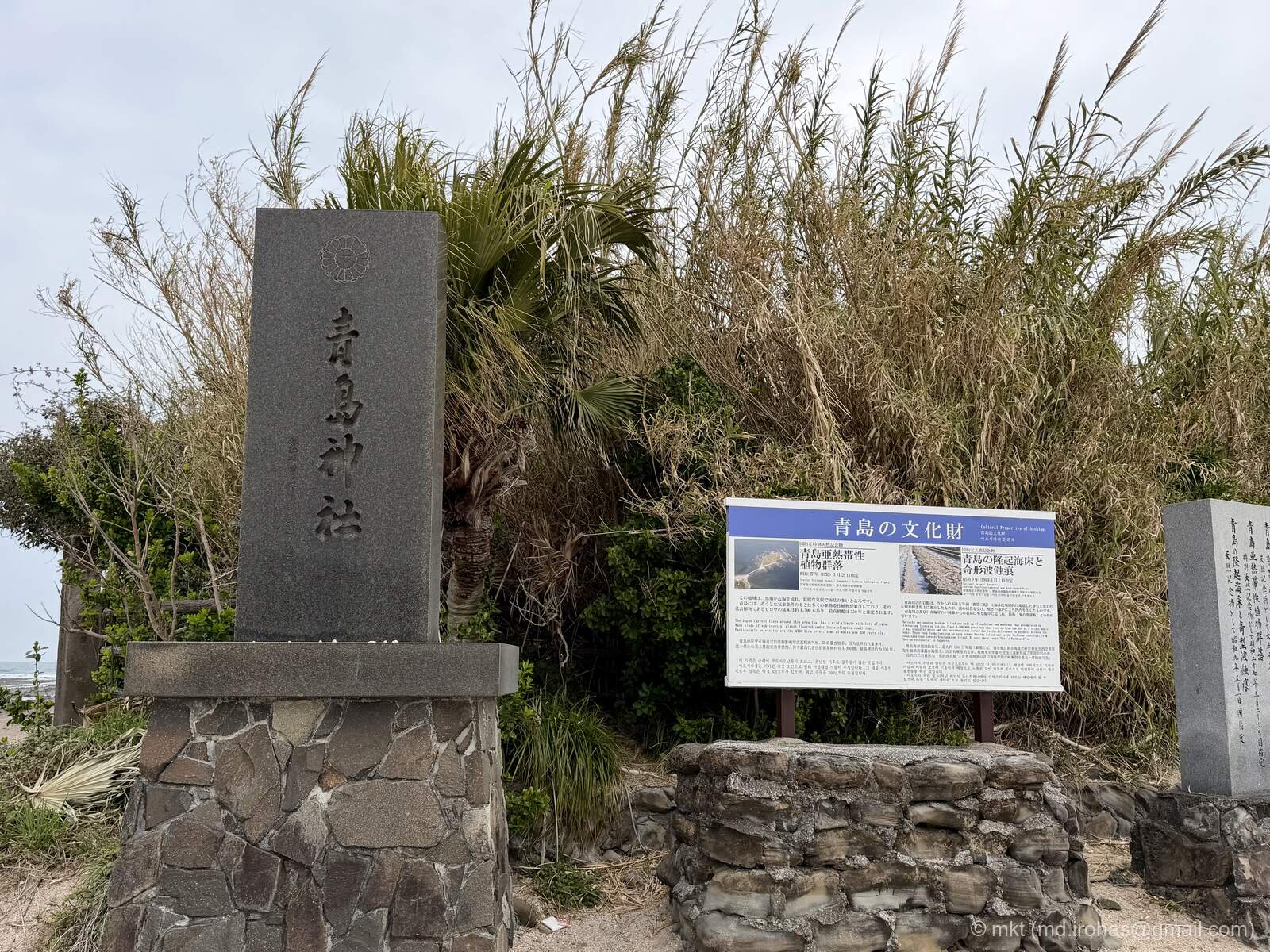
After crossing the bridge, there is a stone monument for Aoshima Shrine.
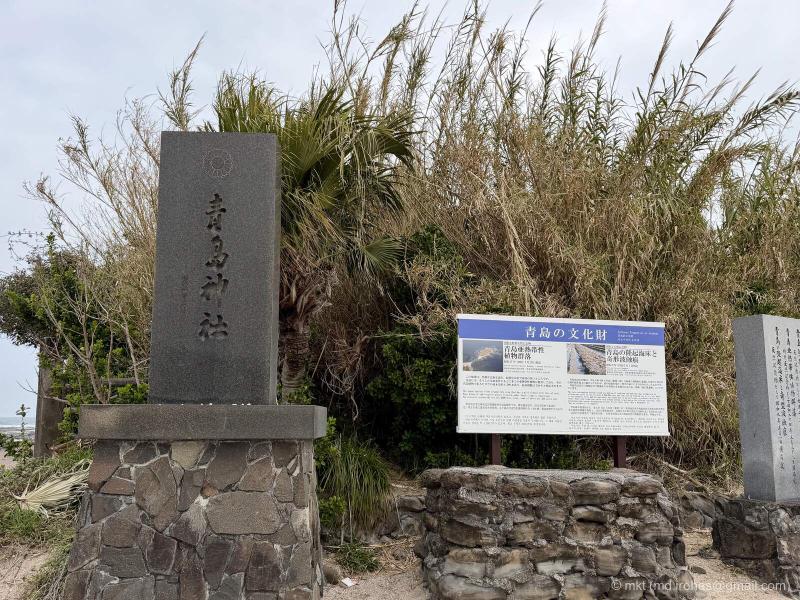
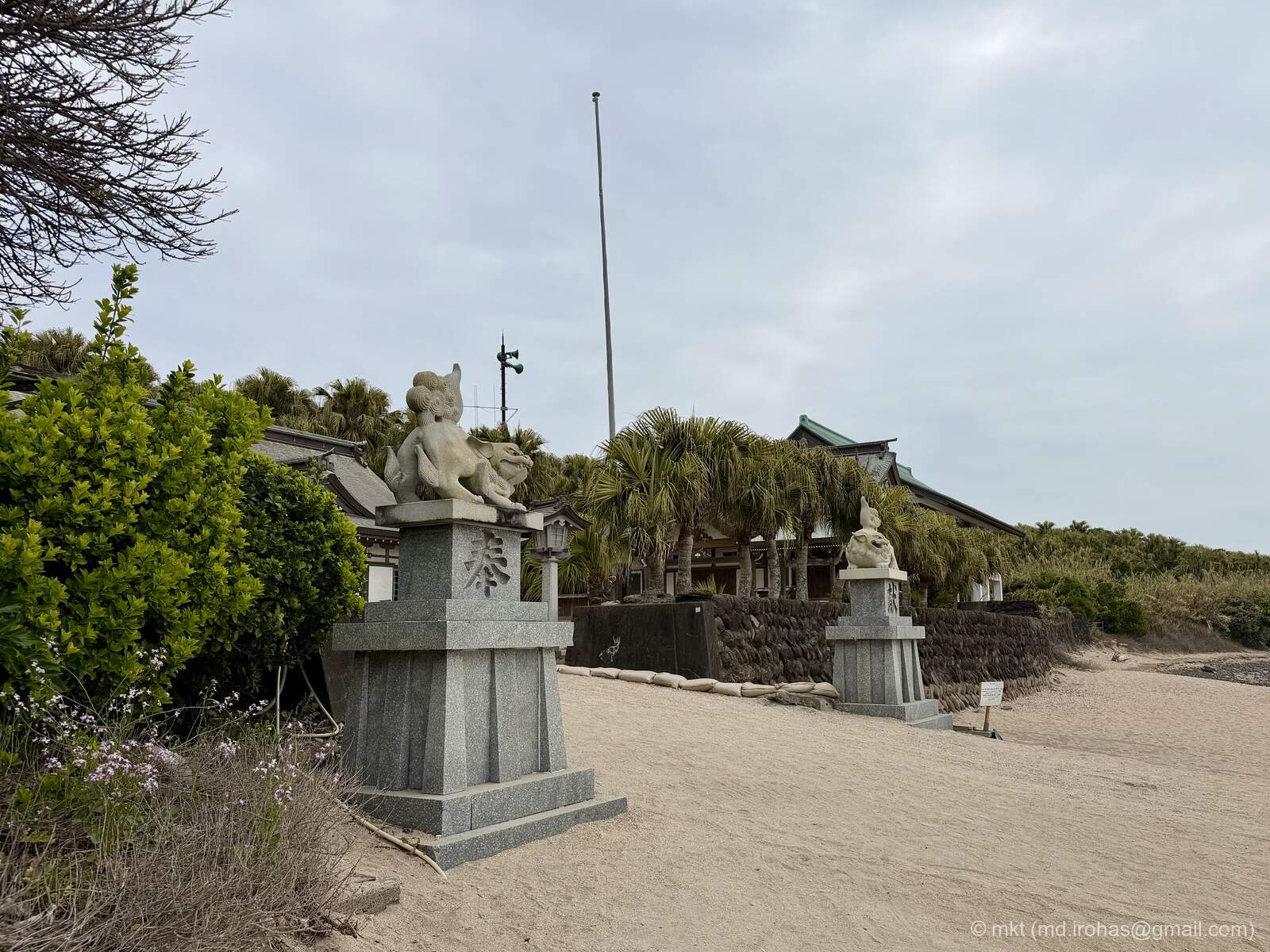
Behind the monument is a torii gate. After passing through it and walking a little farther, the shrine’s guardian lion-dogs welcome you.
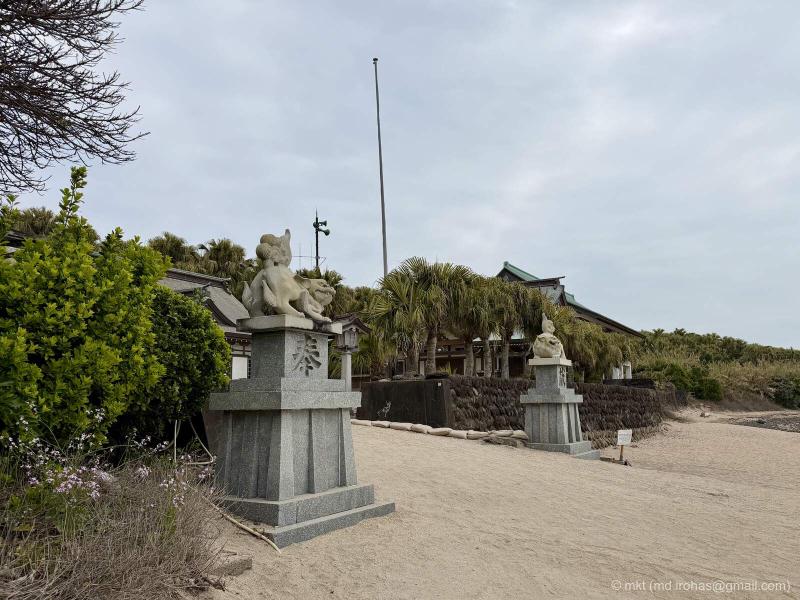
Aoshima Shrine #
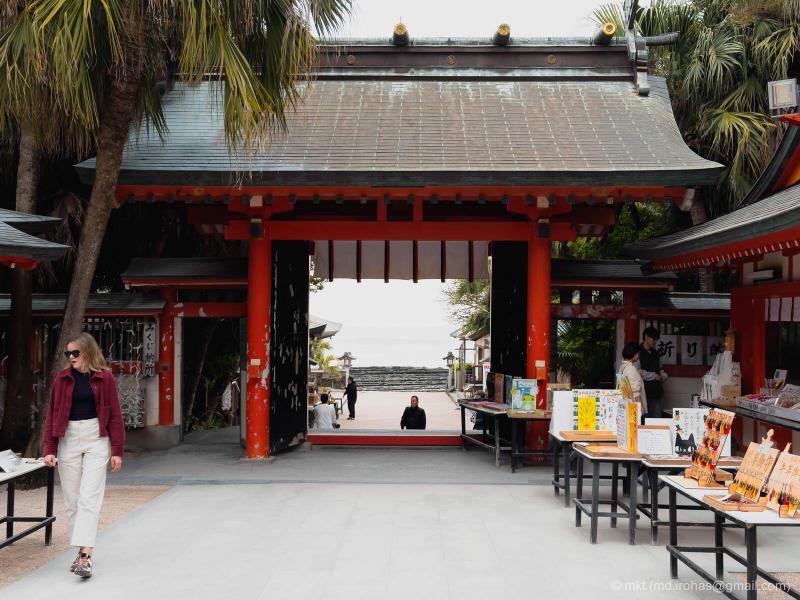
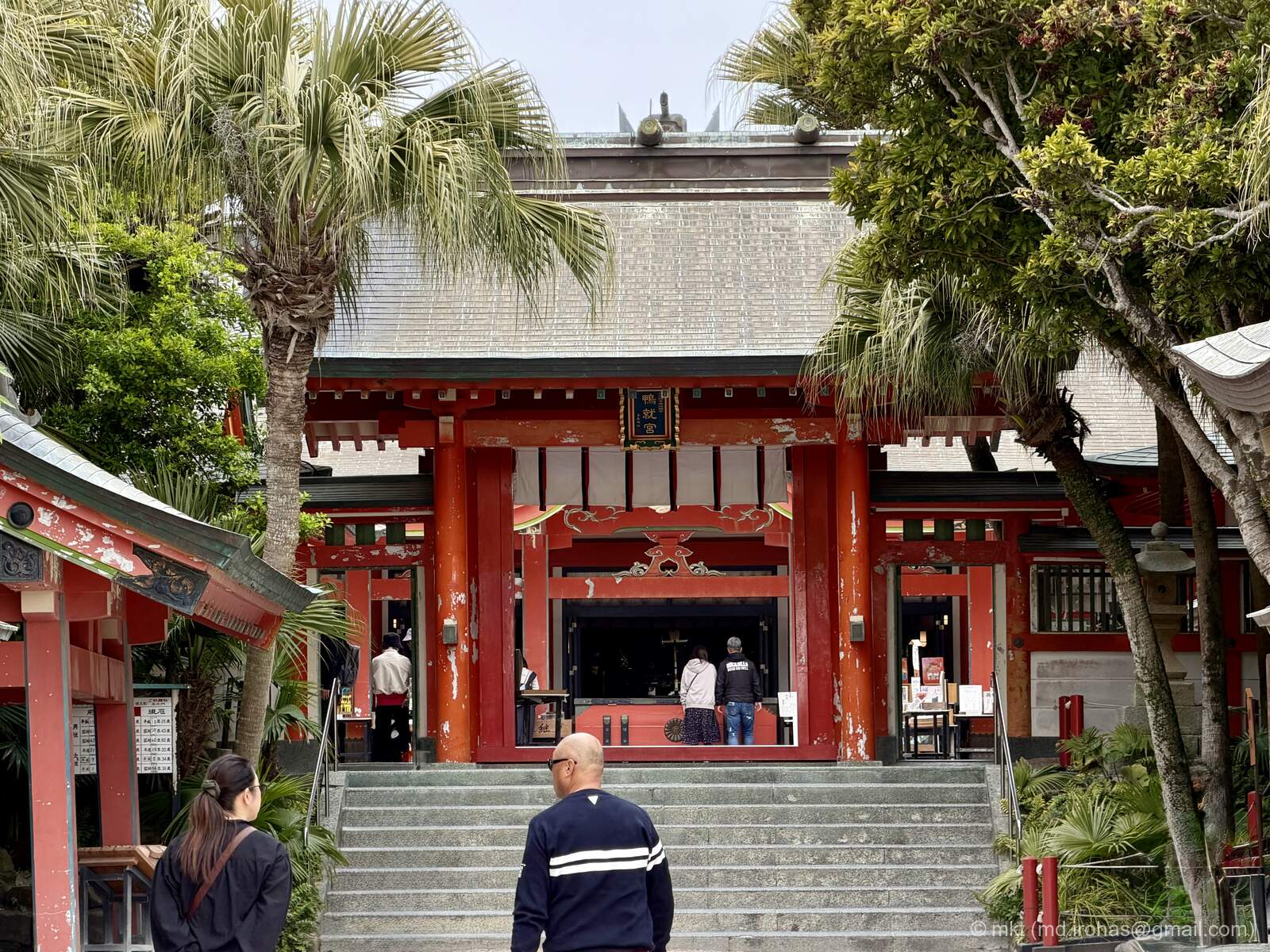
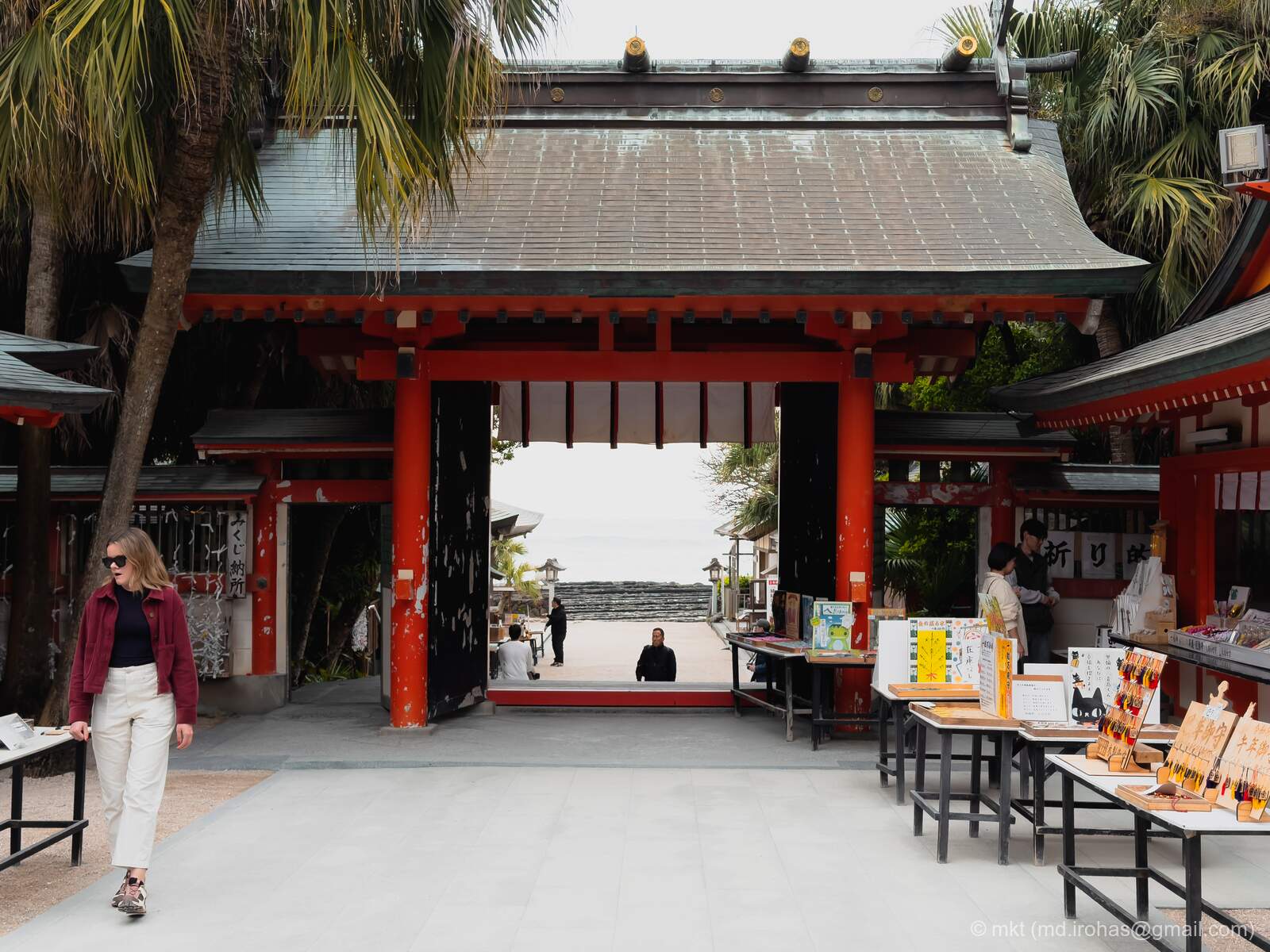
After walking between the guardian lion-dogs, the red gate of Aoshima Shrine, called the Shinmon, appears straight ahead.
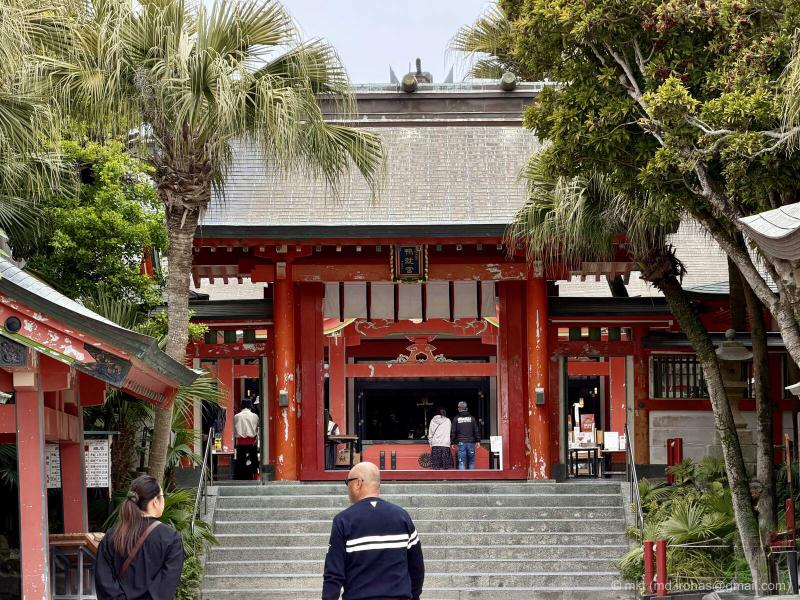
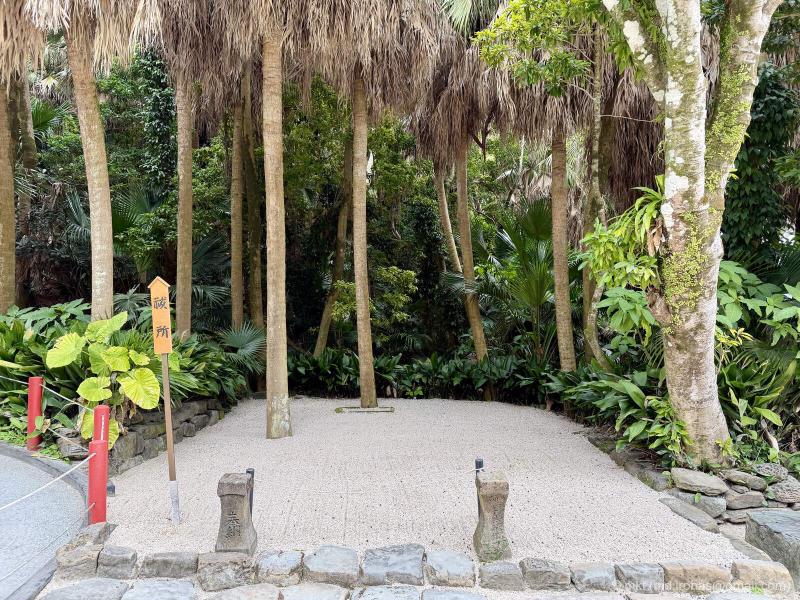
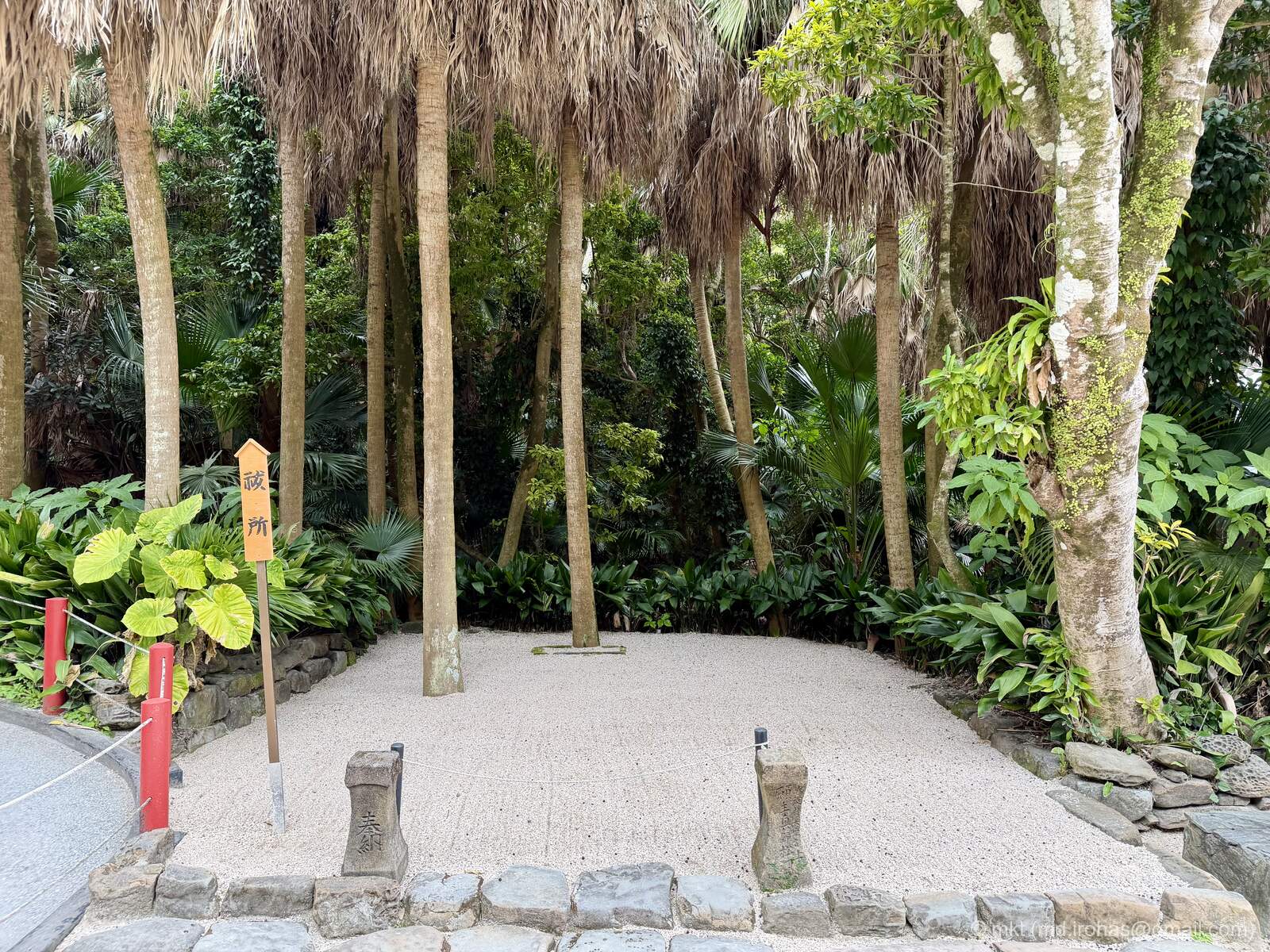
To the right before the gate, there is a haraedokoro, a place for purification rites.
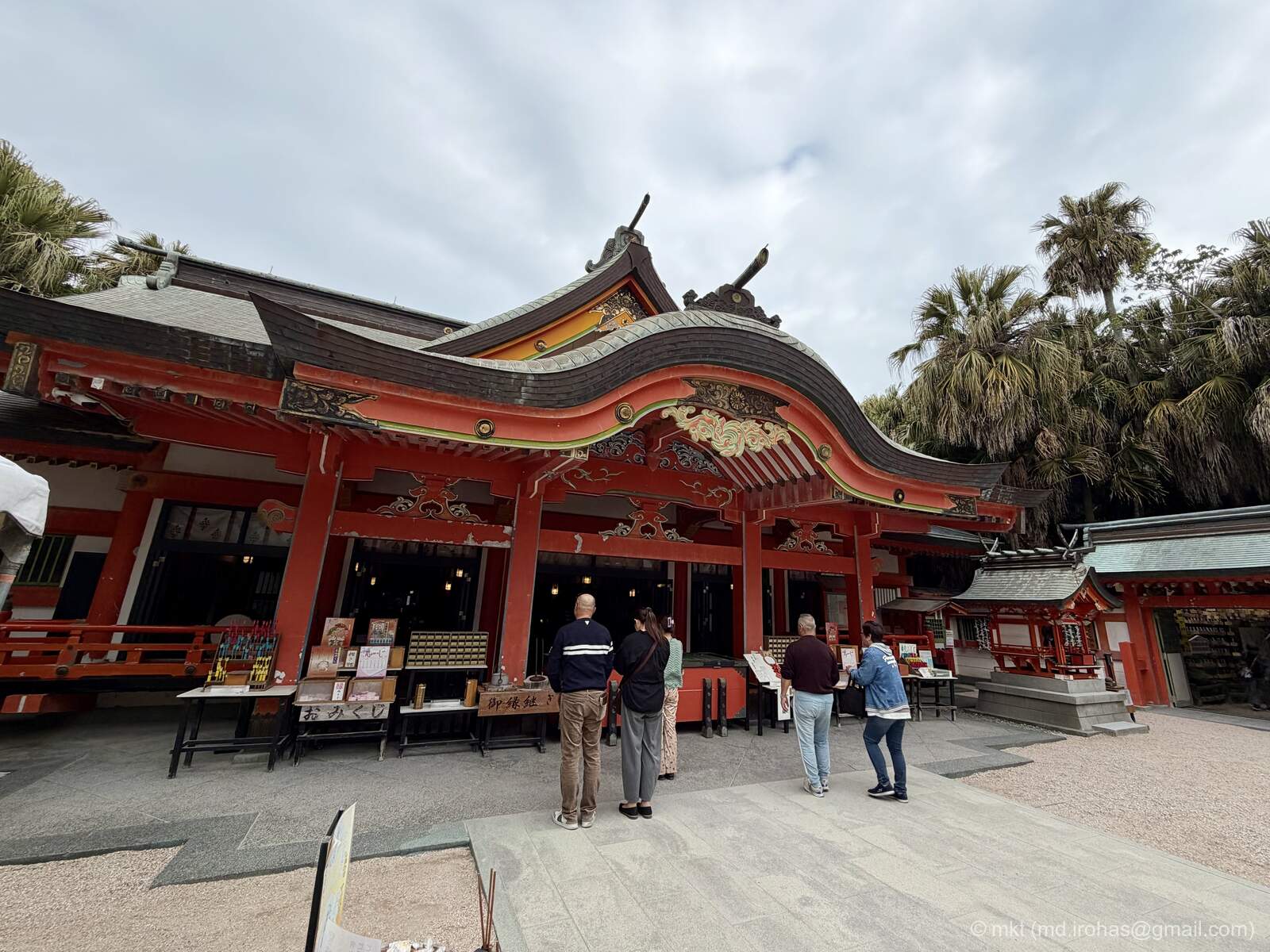
Passing through the gate, the main shrine building stands directly in front.
I prayed at the main shrine building and drew an omikuji fortune.
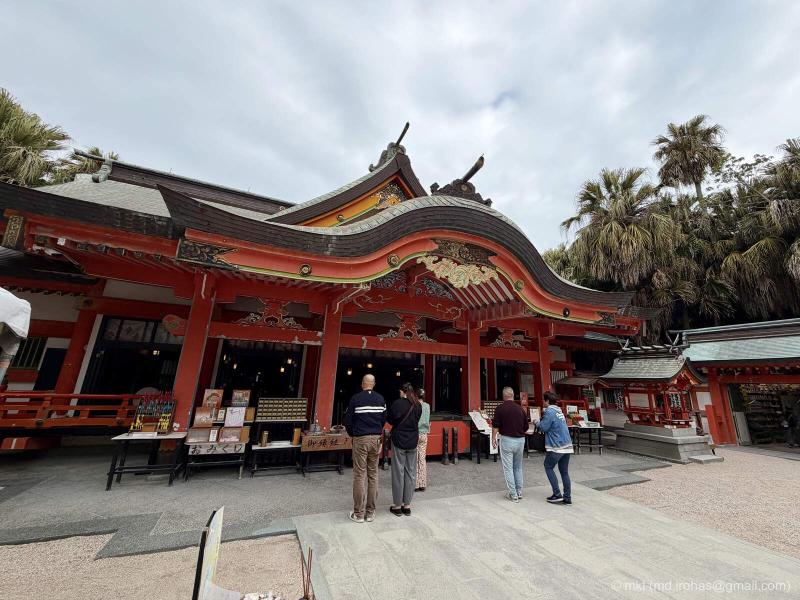
Looking back from the main shrine building, you can see the sea beyond the gate.
Motomiya of Aoshima Shrine #
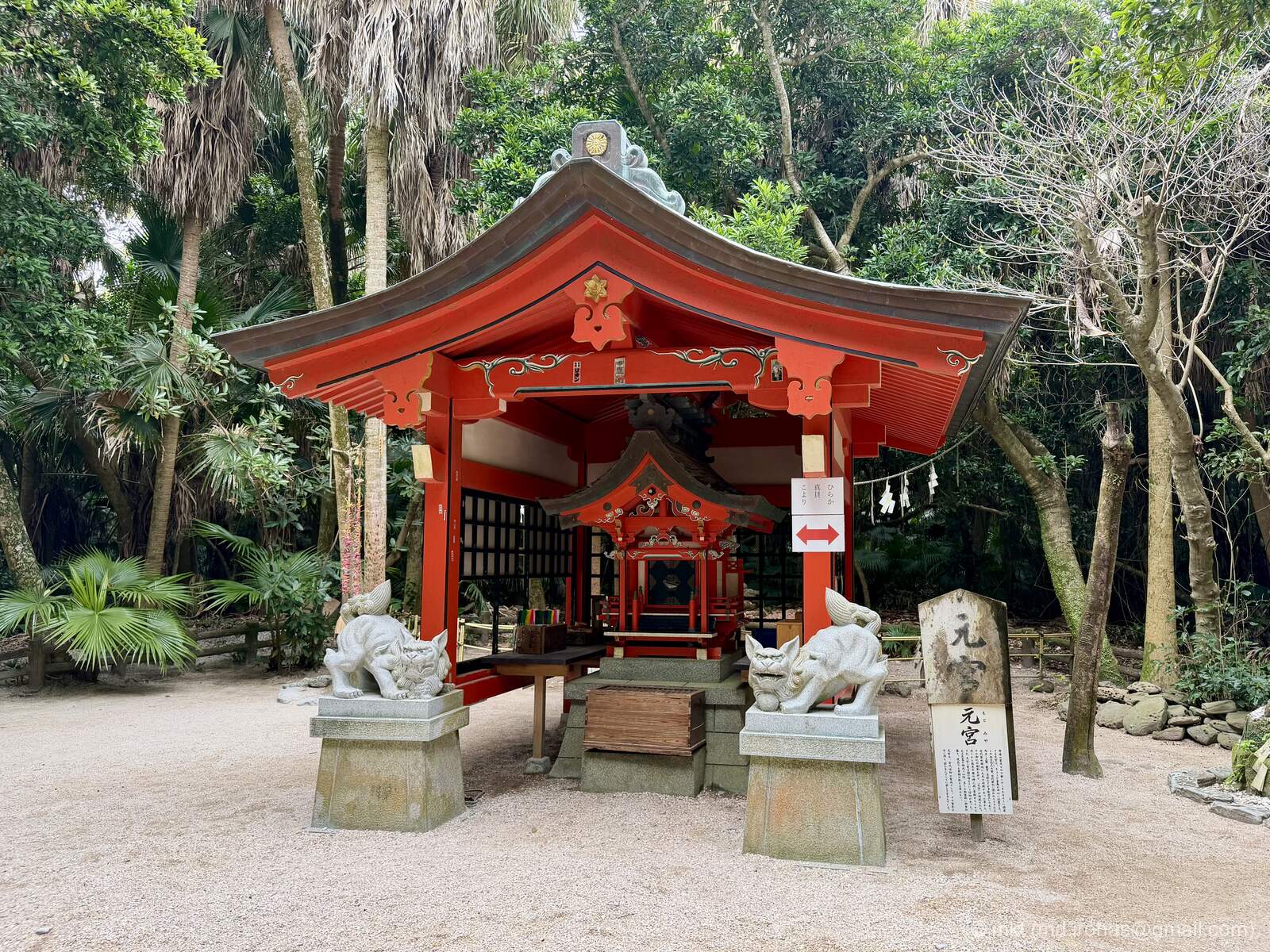
To the right of the main shrine building, there is a path leading to the Motomiya, the shrine’s original sanctuary.
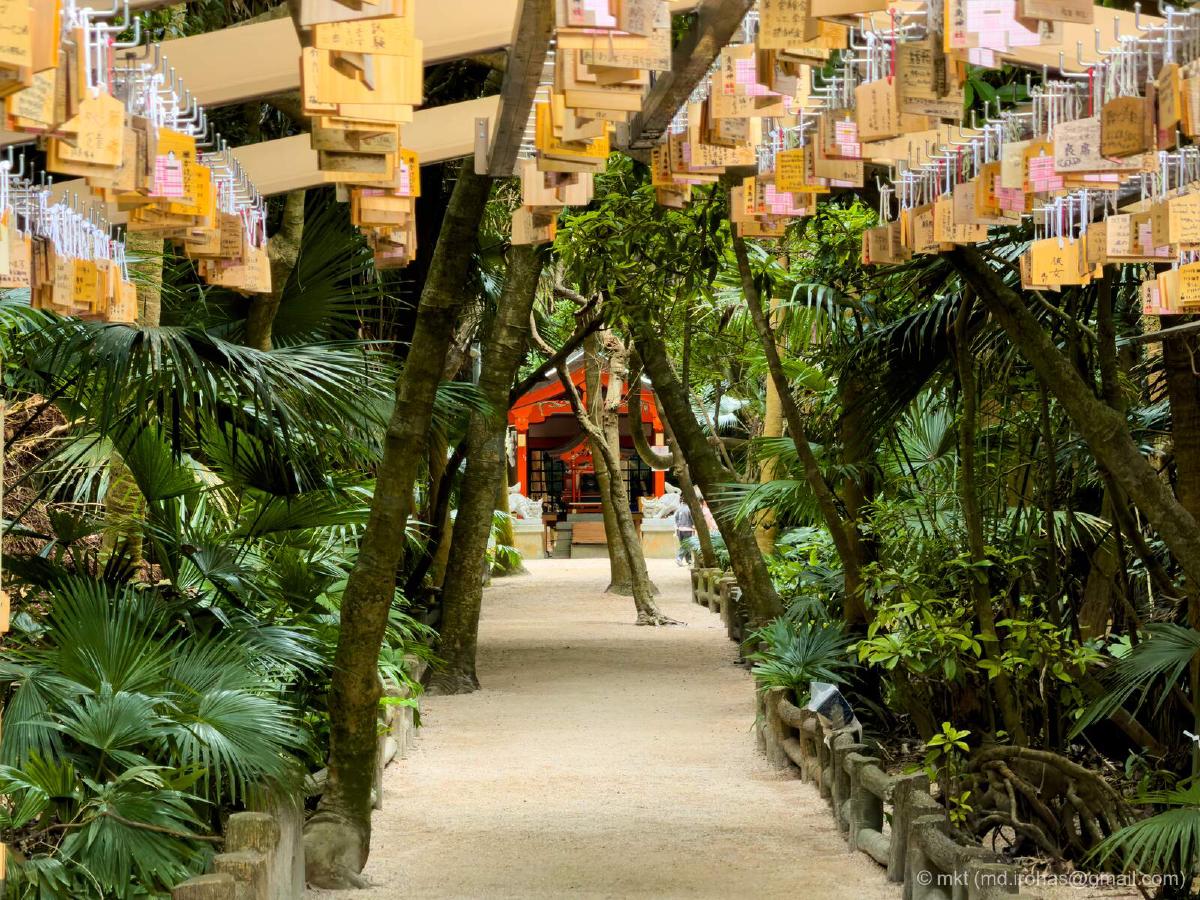
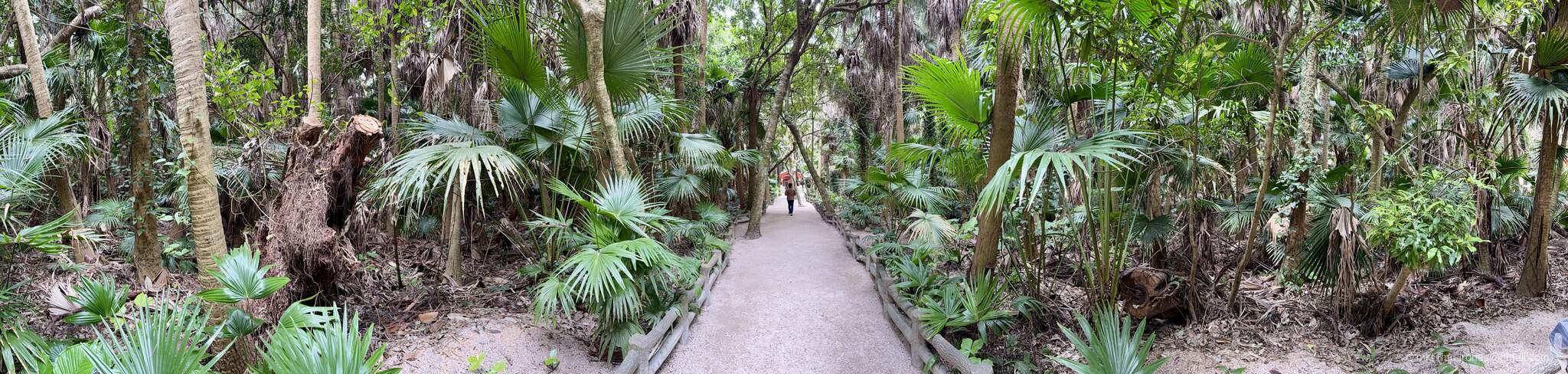
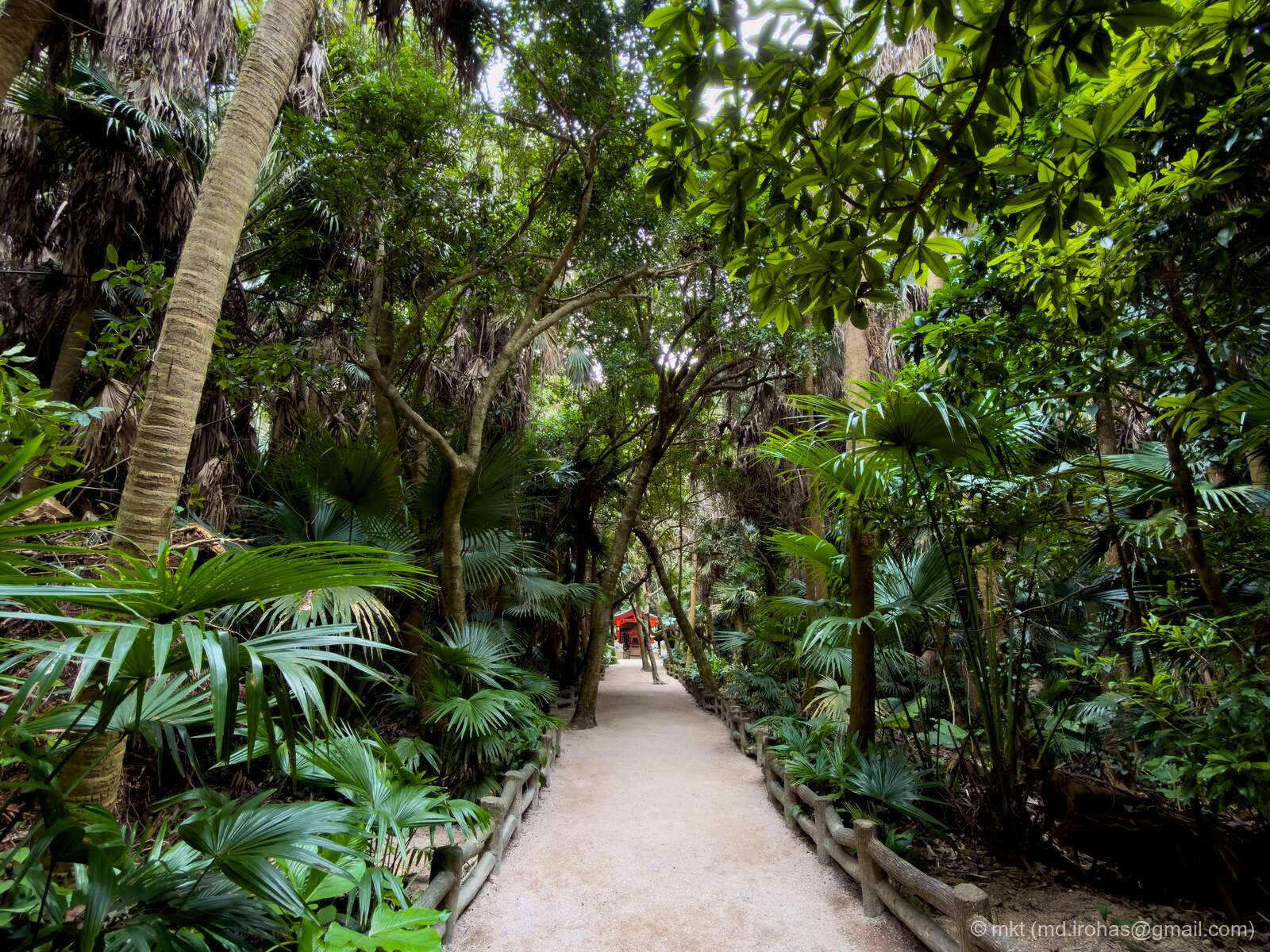
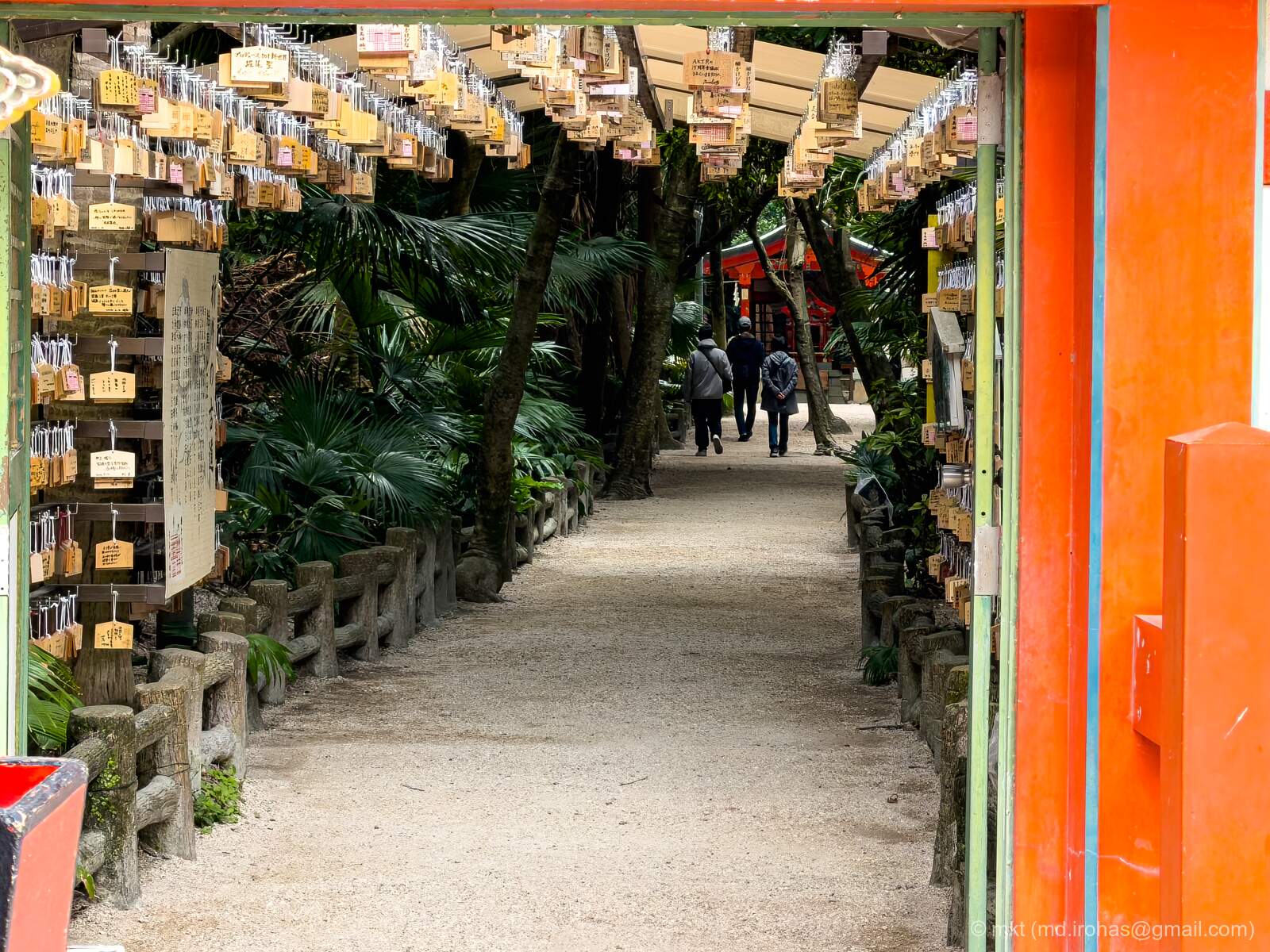
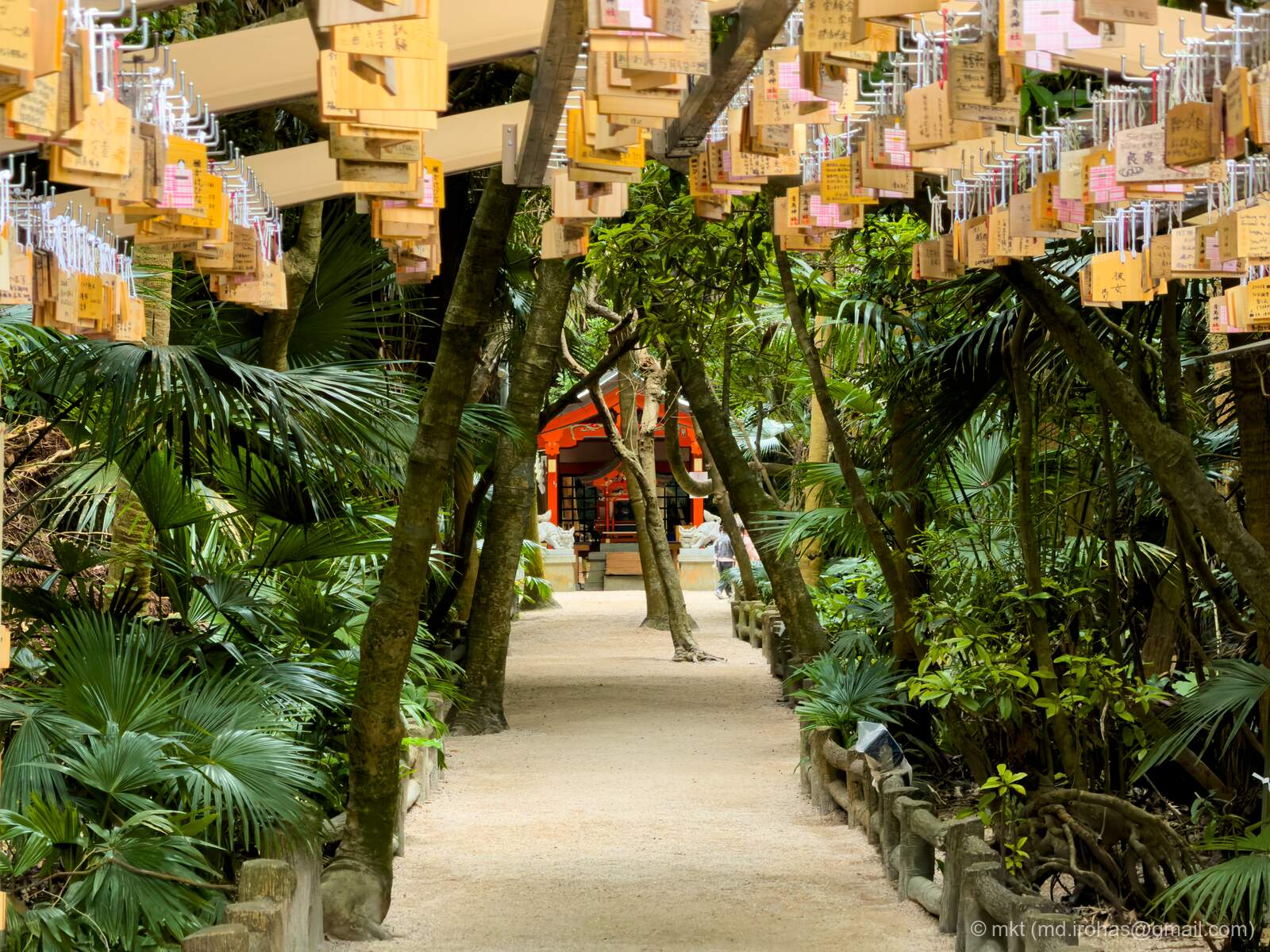
The Motomiya is said to be the site of ancient rituals. Along the approach to the Motomiya, wooden prayer plaques called “ema” are lined up on both sides, and the path is apparently called “Inori no Komichi,” or the Ancient Path of Prayer.
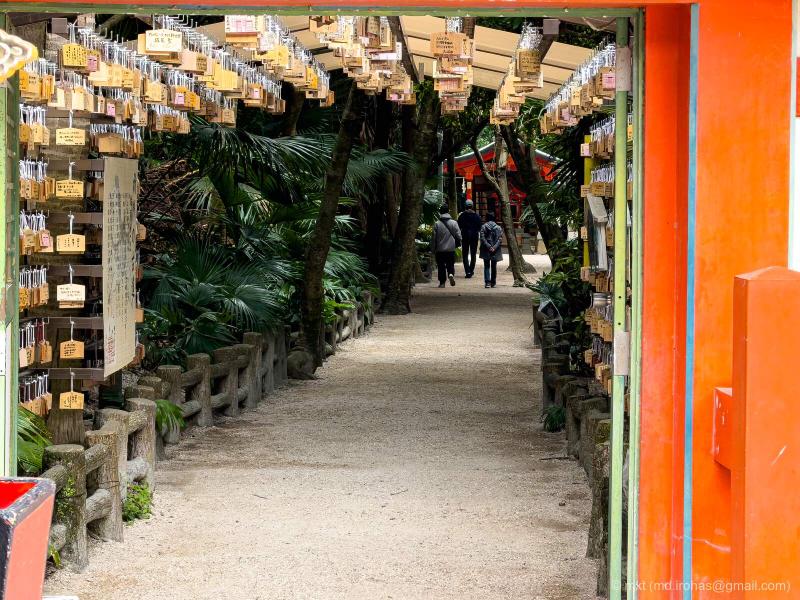
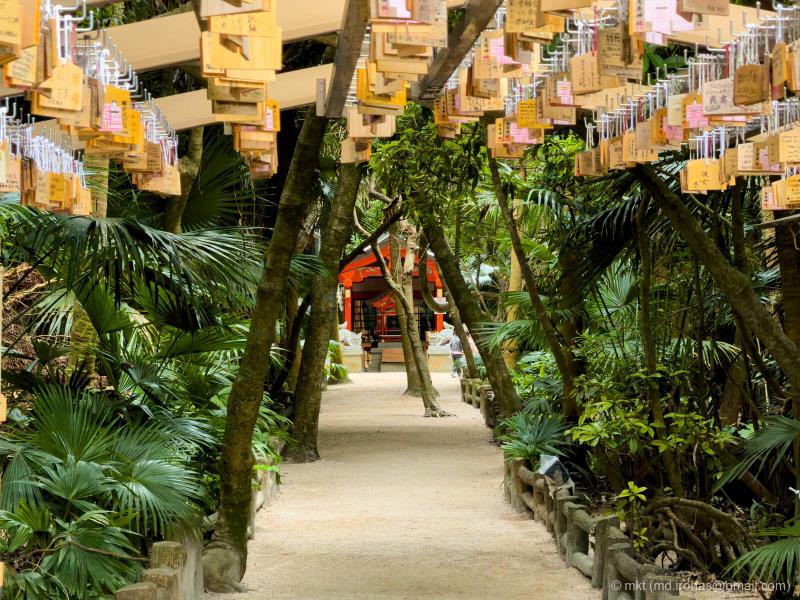
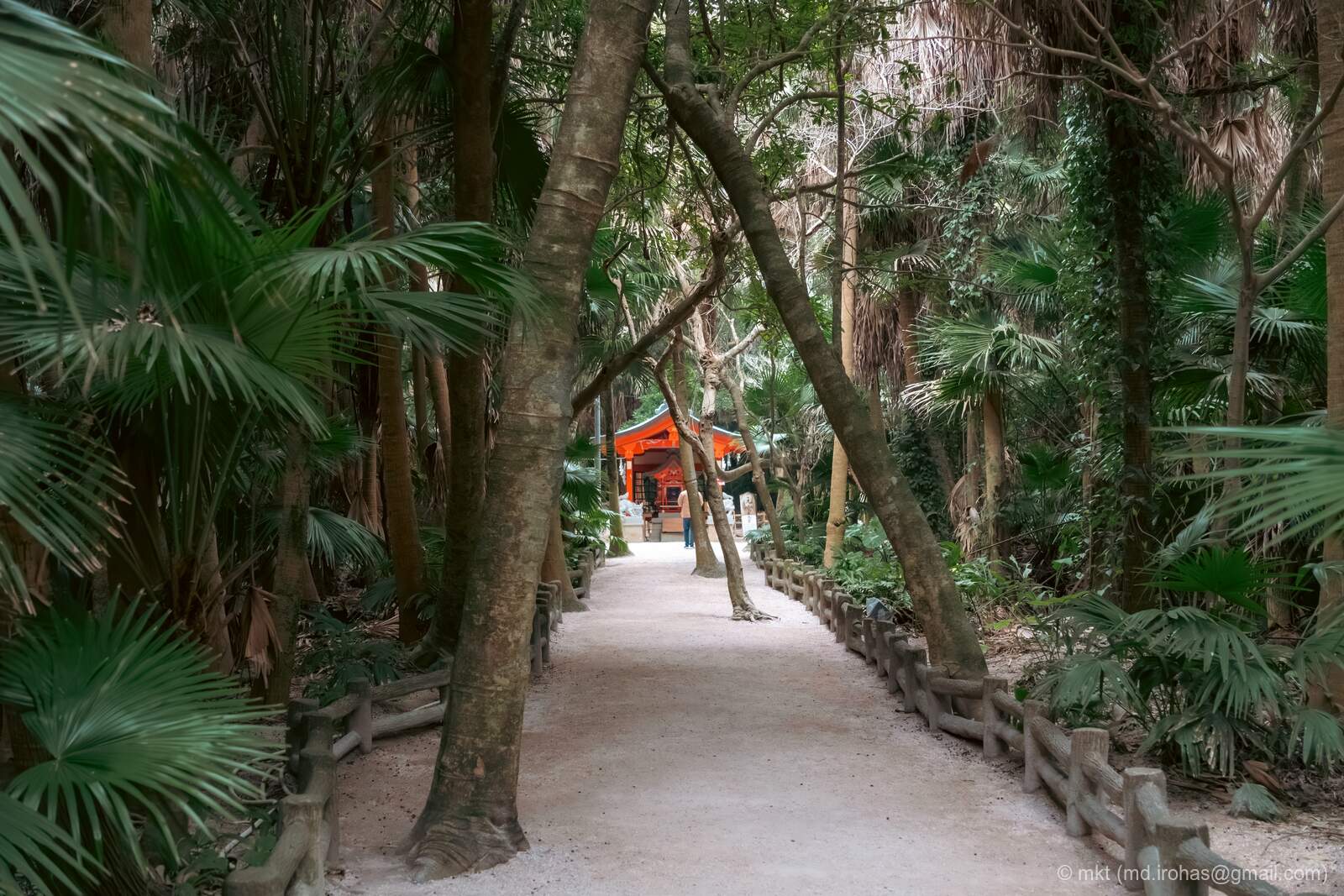
The path to the Motomiya is straightforward, but subtropical plants grow thickly on both sides.
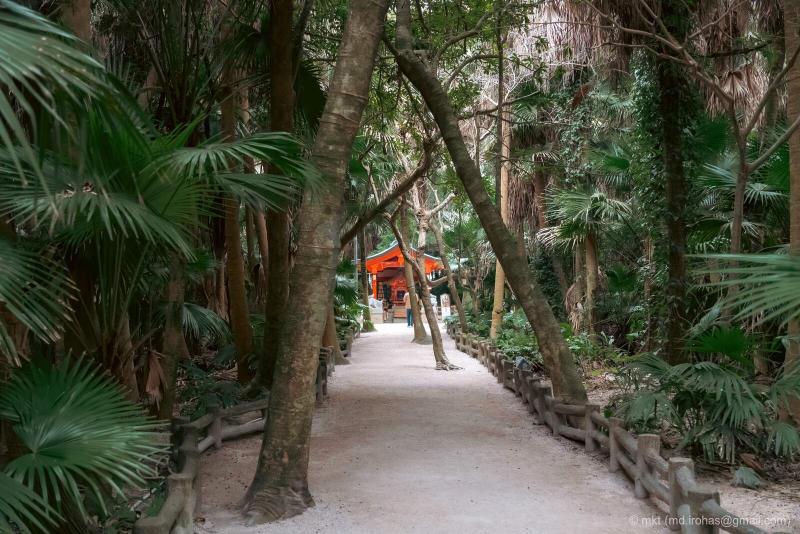
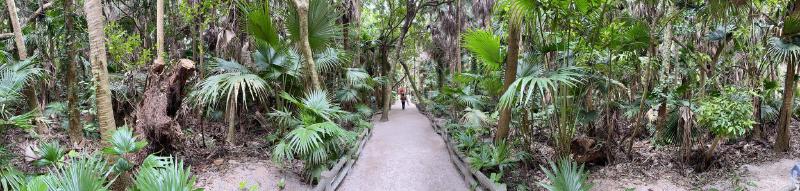
The Motomiya is surrounded by deep greenery, giving it a very different atmosphere from the main shrine building.
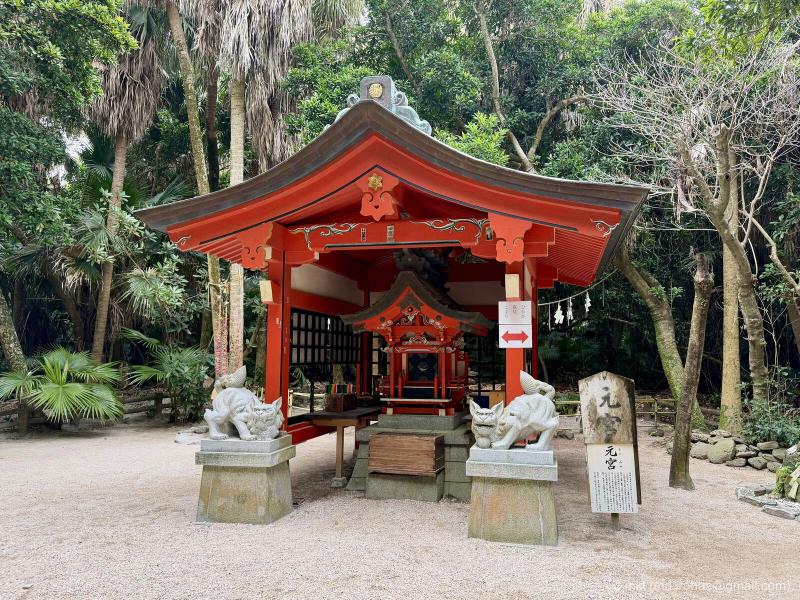
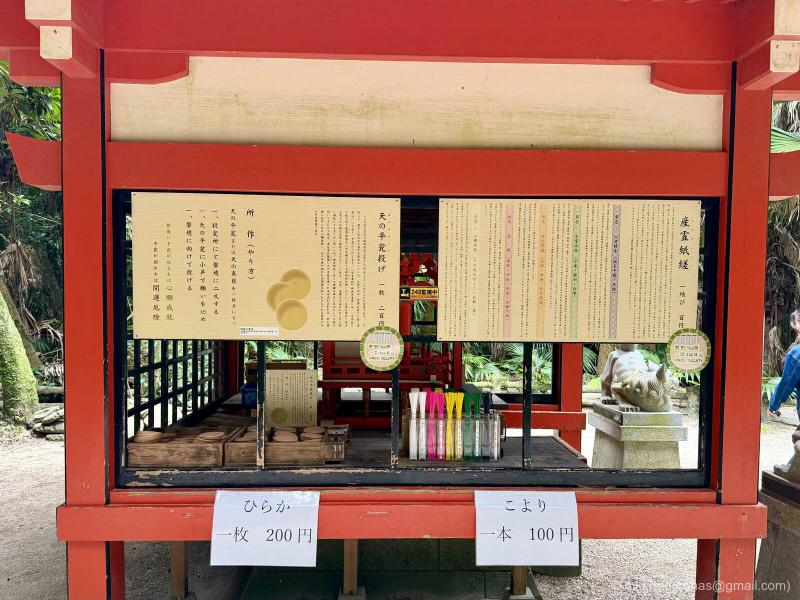
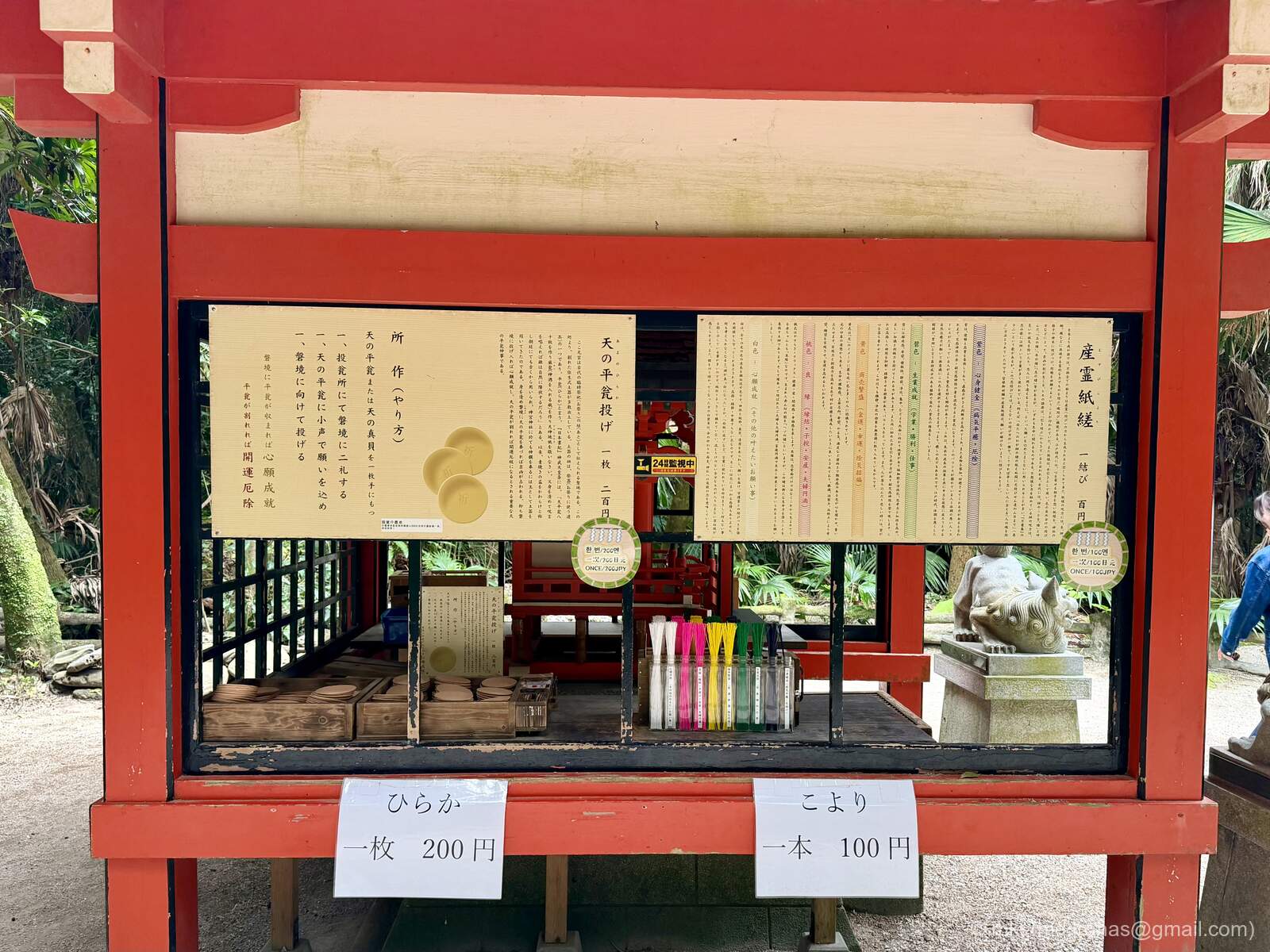
At the Motomiya, there are signs explaining rituals such as “Musubi-koyori,” where you tie paper cords for wishes, and “Amano-hiraka nage,” where you throw small unglazed clay plates while making a prayer.
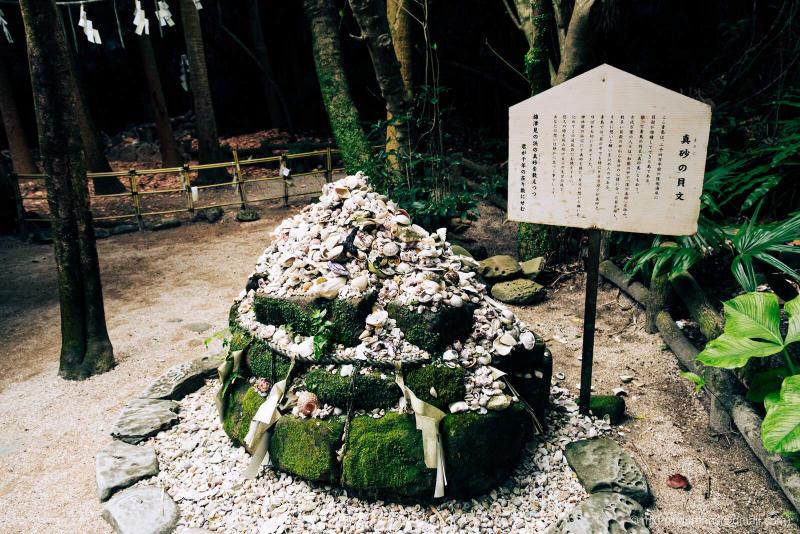
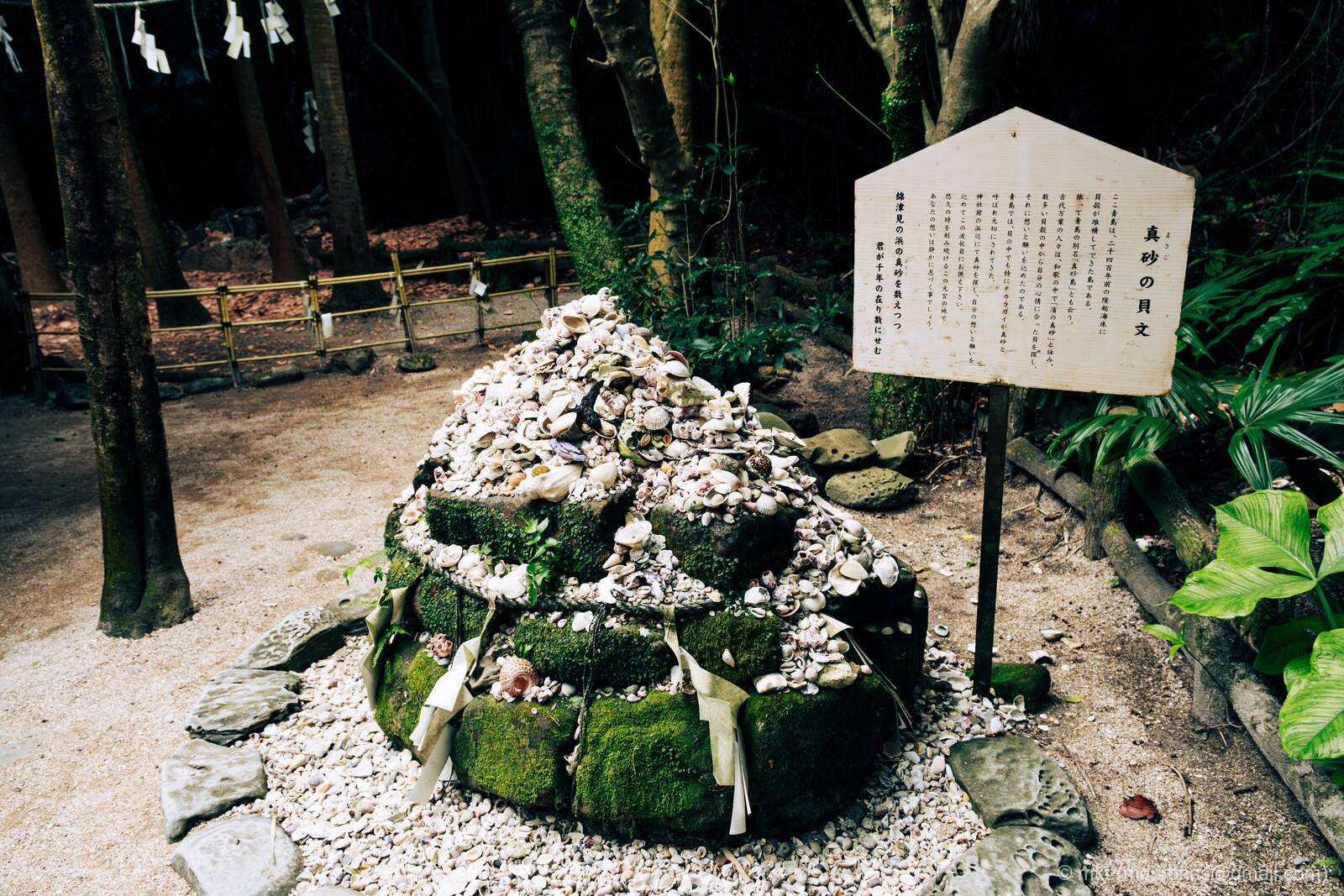
Next to the Motomiya is an area where shells are piled up, called “Masago no Kaibumi.” People apparently make a wish on cowrie shells, called masago, found on the beach in front of the shrine and offer them there.
Aoshima also seems to be an island formed from accumulated shells, and it is also known by another name, Masago-jima.
Around Aoshima #
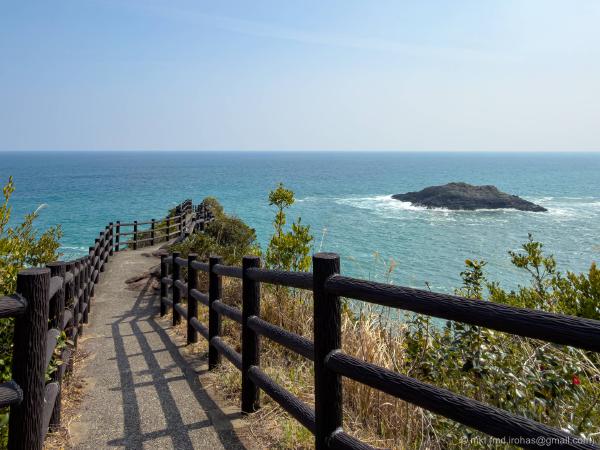
You can walk all the way around the outer edge of Aoshima.
After visiting the shrine, I walked a full loop around the island. It takes about 20 minutes.
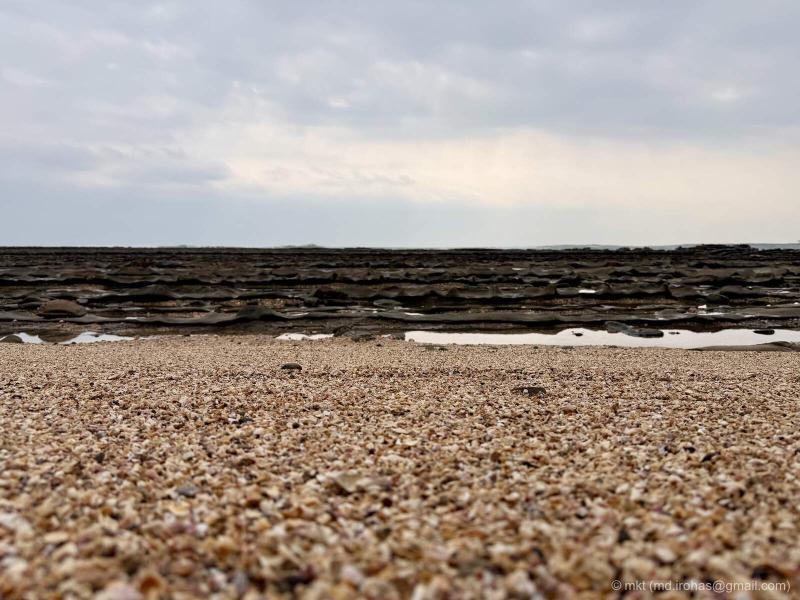
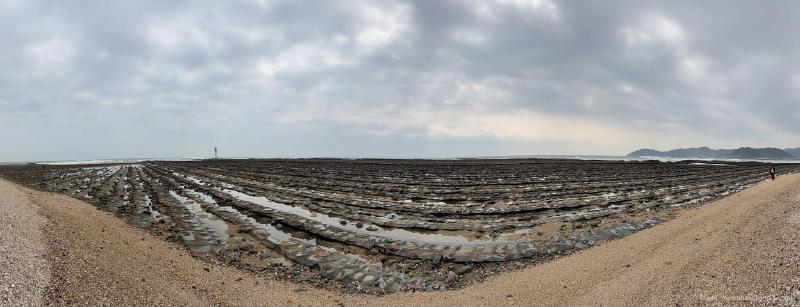
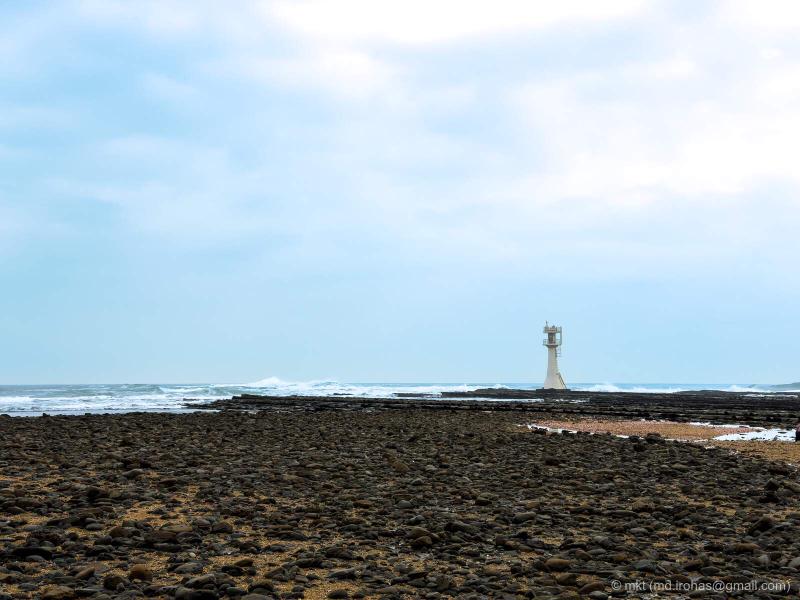
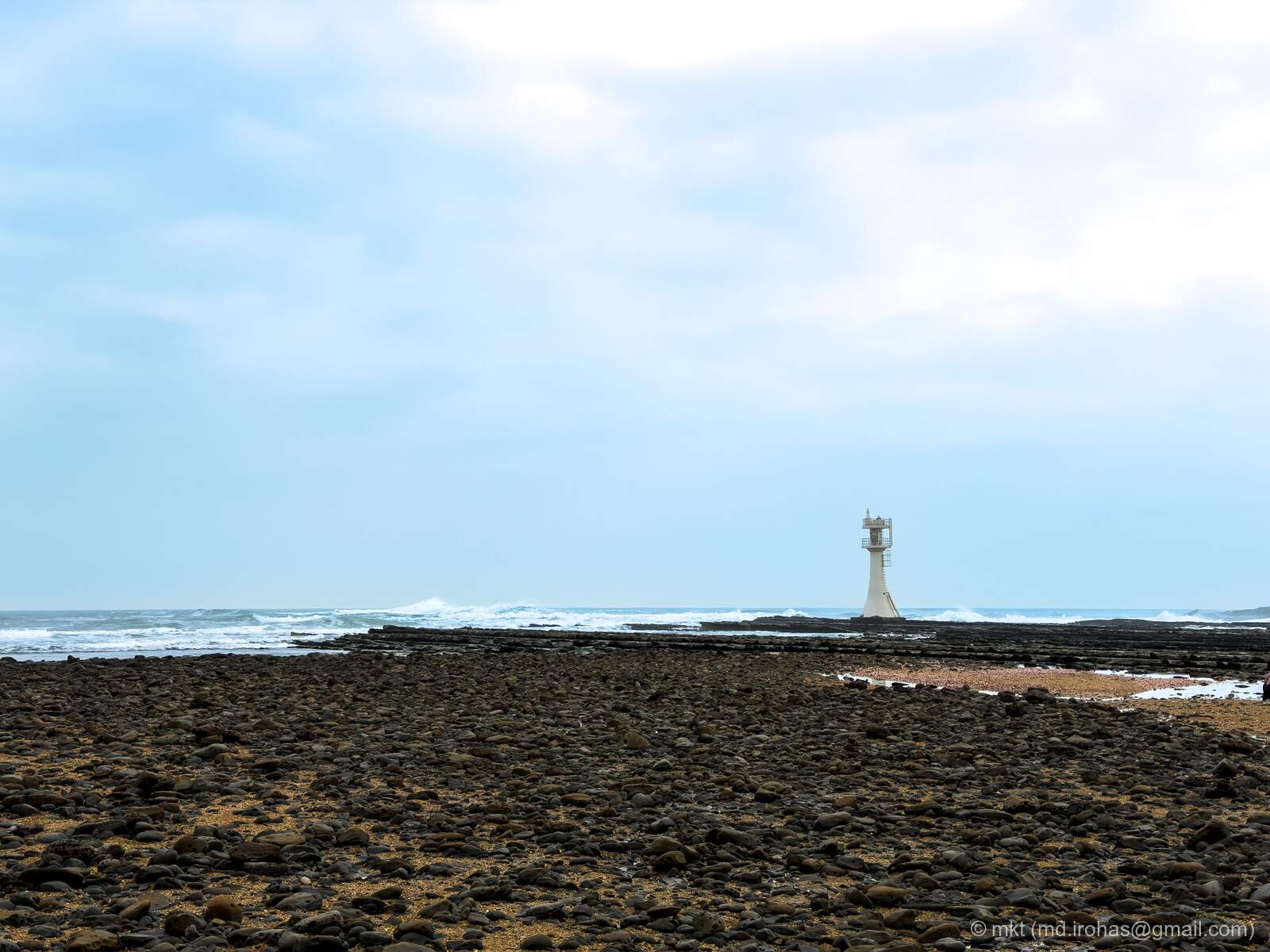
At the far end of Aoshima stands Hyuga Aoshima Lighthouse.
Continuing around to the back side of Aoshima, Yayoi Bridge comes back into view.
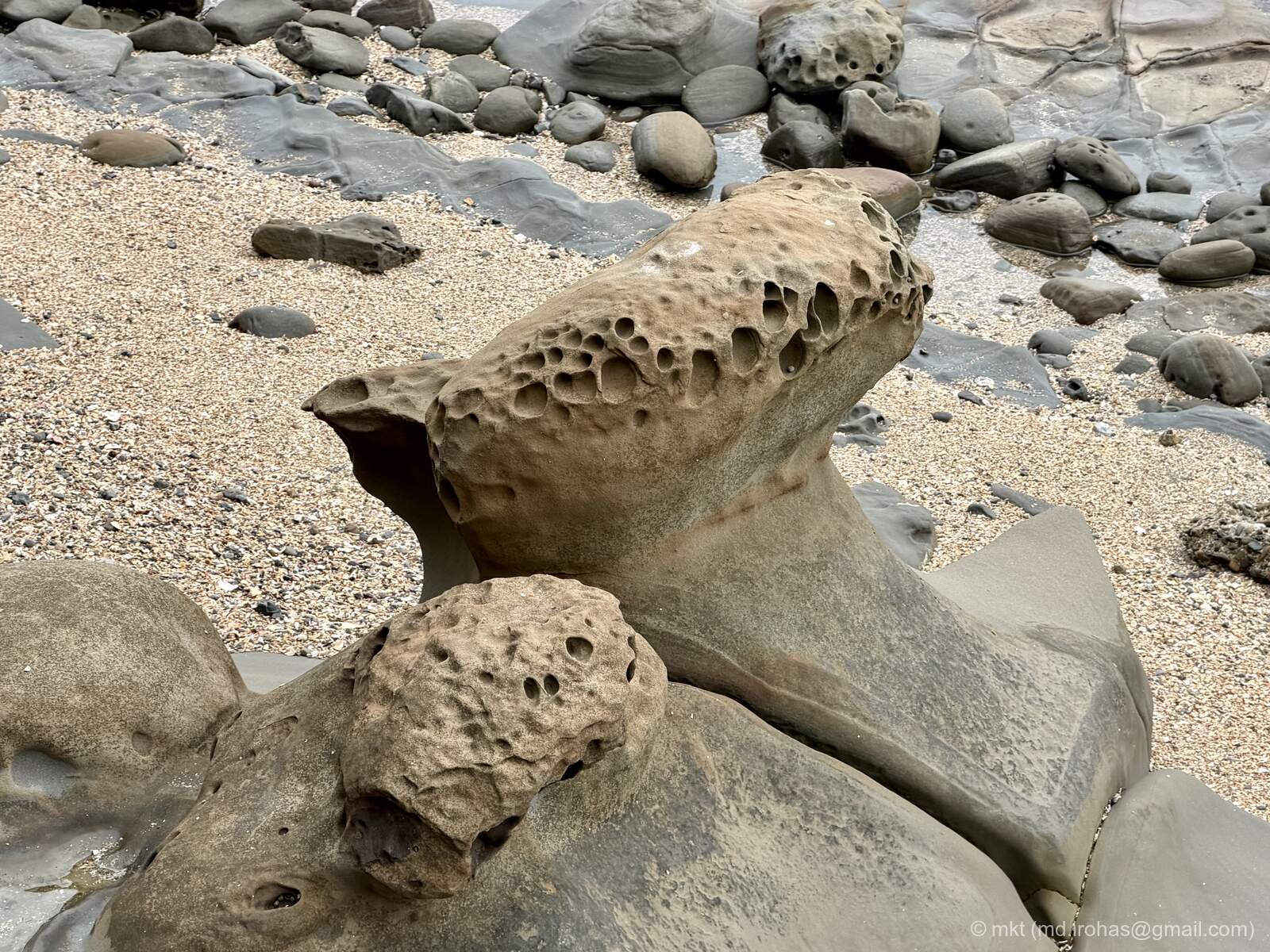
There were more unusually shaped rocks scattered around the back side of Aoshima as well.
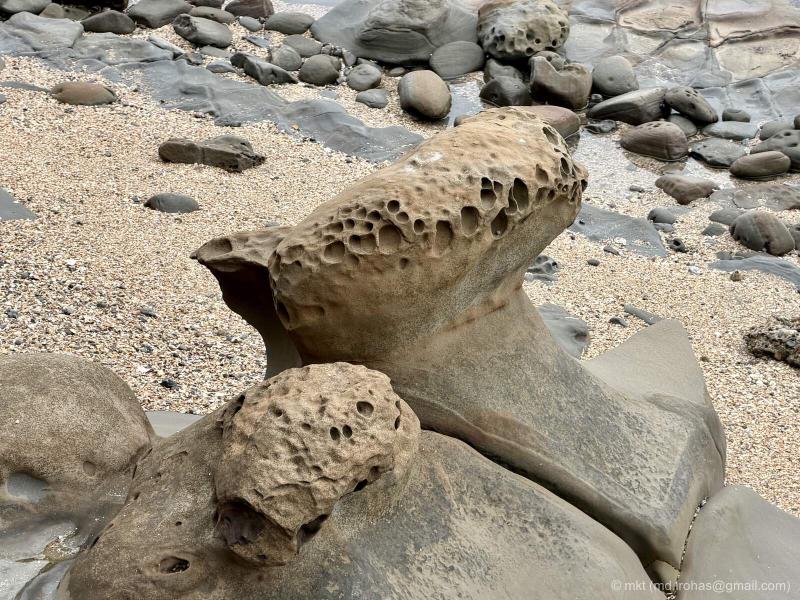
A small island surrounded by the sea, shells, strange rocks, and a deep green forest.
I can see why people in the past would have built a shrine here and treated it as a sacred place.
Gallery #
License: CC BY-NC-SA 4.0
You can view the high-resolution images in the Google Photos album.
iPhone 17 Pro #
iPhone 17 Pro (RAW) #
You can download the RAW images from Google Drive.
α6500 (RAW) #
You can download the RAW images from Google Drive.
Map #
Change History #
- 2026/06/10: First version.